
Table of Contents
- What Makes Single Origin Coffee Worth Buying in 2026
- Quick Comparison: Best Single Origin Coffee Beans at a Glance
- How We Evaluated These Single Origin Beans
- 1. Limu Ethiopia Light Roast, Bright, Floral, and Delicate
- 2. Yirgacheffe Ethiopia Medium Roast, Jasmine, Berry, and Orange Zest
- 3. Guji Ethiopia Medium Roast, Peach, Citrus, and Silky Body
- 4. Betulia Colombia Medium-Dark, Sugar Cane, Lime, and Chocolate
- 5. Huila Colombia Medium-Dark, Toasted Almond, Cherry, and Rich Body
Last Updated: August 17, 2026
What Makes Single Origin Coffee Worth Buying in 2026
Single origin coffee is sourced from one specific country, region, farm, or micro-lot rather than blended from multiple origins. That traceability is what makes it worth seeking out. At Gilded Grind, we've curated single origin beans that express genuine terroir: the soil, altitude, climate, and post-harvest processing that give each cup its unmistakable character.
With a blend, you're tasting a formula engineered for consistency. With single origin, you're tasting a place. Specialty coffee culture has matured in 2026, home brewers now have access to pour-over equipment, quality grinders, and freshly roasted beans that would have required a serious café setup a decade ago. Altitude, varietal, and processing method still determine flavor ceiling.
Below, we'll cover five standout single origin coffees, how to evaluate them, and the brewing methods that get the most from each profile.
Quick Picks:
- Best Light Roast: Limu Ethiopia, bright, floral, green tea clarity
- Best Floral Medium Roast: Yirgacheffe Ethiopia, jasmine, berry, orange zest
- Best Fruity Medium Roast: Guji Ethiopia, peach, citrus, silky body
- Best Colombian Bright: Betulia Colombia, sugar cane, lime, chocolate
- Best Colombian Rich: Huila Colombia, toasted almond, cherry, full body
Quick Comparison: Best Single Origin Coffee Beans at a Glance
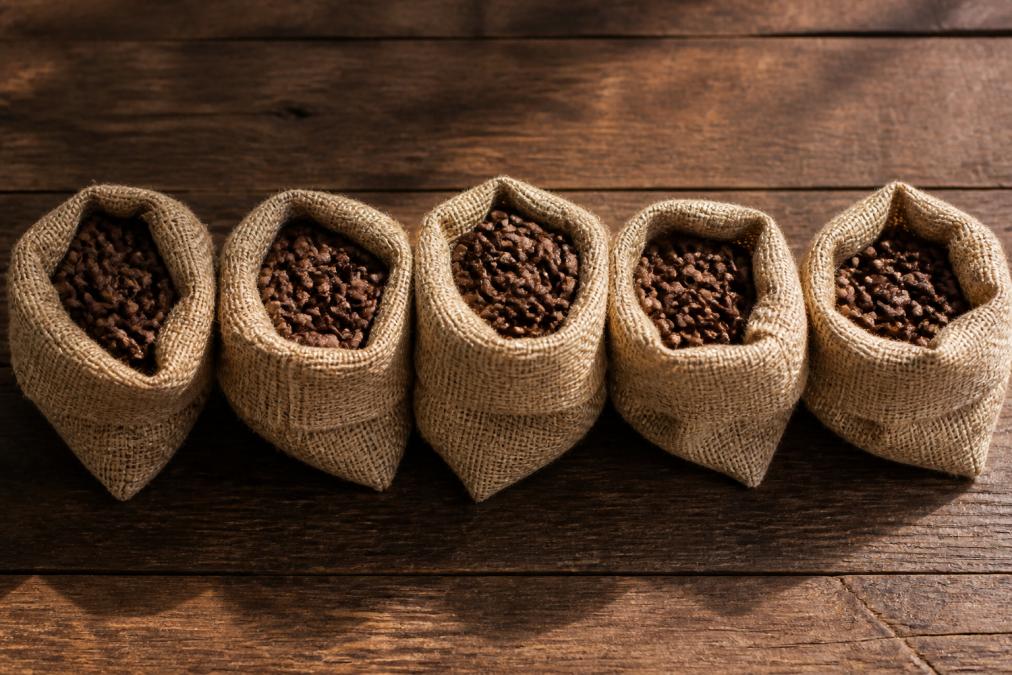
Here's a side-by-side look at all five single origin coffees covered in this guide. Use it to match your preferred flavor profile and roast level before reading the full breakdowns below.

| Coffee | Roast | Origin | Flavor Notes | Price | Best Brewing Method |
|---|---|---|---|---|---|
| Limu Ethiopia | Light | Limu, Ethiopia | Floral, green tea, bright | $18.00 | Pour-over, Chemex |
| Yirgacheffe Ethiopia | Medium | Yirgacheffe, Ethiopia | Jasmine, berry, orange zest | $19.00 | Pour-over, AeroPress |
| Guji Ethiopia | Medium | Guji, Ethiopia | Peach, citrus, silky body | $19.00 | Pour-over, drip |
| Betulia Colombia | Medium-Dark | Betulia, Antioquia | Sugar cane, lime, chocolate | $18.00 | Espresso, French press |
| Huila Colombia | Medium-Dark | Huila, Colombia | Toasted almond, cherry, rich | $18.00 | Drip, espresso, French press |
All five are 100% Arabica whole bean coffees, freshly roasted. The Ethiopian trio skews toward high acidity and floral complexity. The Colombian pair delivers more body and sweetness.

How We Evaluated These Single Origin Beans
Selecting the best single origin coffee beans requires four core criteria:
1. Terroir and Traceability Every bean is traceable to a specific growing region. Ethiopian coffees from Yirgacheffe and Guji benefit from high-altitude growing conditions and heirloom Arabica varietals that produce complexity rarely matched by cultivated varietals.
2. Processing Method Washed process coffees produce clean, bright cups where the bean's intrinsic flavors come through clearly. Natural and honey process coffees tend toward fruity, wine-like complexity. Understanding processing method predicts whether you'll enjoy a coffee before tasting it.
3. Roast Date and Freshness CO2 degassing after roasting peaks in the first week and continues for two to three weeks. Brewing within that window produces the bloom and extraction clarity that makes specialty coffee worth the price. All Gilded Grind beans are freshly roasted.
4. Flavor Profile Clarity Each coffee was evaluated on whether its tasting notes are genuinely present and distinct. The coffees on this list deliver profiles that hold up across multiple brew methods.
1. Limu Ethiopia Light Roast, Bright, Floral, and Delicate
The Limu Ethiopia Light Roast is the most nuanced coffee on this list. Grown at high altitude with 100% Arabica beans, it delivers bright floral notes, a green tea-like delicacy, and vibrant acidity without sharpness.
The aroma opens with jasmine blossoms. On the palate, expect a light body with clean, crisp acidity and a lingering finish. Light roast preserves the bean's origin character by minimizing the Maillard reaction, keeping natural sugars and organic acids intact.
Best brewing methods: Pour-over (Chemex, V60) and AeroPress at lower temperatures (around 90-92°C) extract the floral and green tea notes without introducing bitterness. Avoid French press, as the immersion method and metal filter muddy the delicate mouthfeel. Light roast coffees are less forgiving of coarse grinds and under-extraction.
- Price: $18.00
- Roast: Light
- Origin: Limu, Ethiopia
- Best for: Pour-over enthusiasts, those who prefer floral and tea-like profiles
2. Yirgacheffe Ethiopia Medium Roast, Jasmine, Berry, and Orange Zest
The Yirgacheffe Ethiopia Medium Roast captures this renowned region's reputation faithfully, with jasmine and rose-like floral notes, bright orange zest acidity, and natural berry sweetness that requires no additives.
Yirgacheffe's altitude and washing station practices produce a clean, transparent cup where the bean's intrinsic aromatics dominate. The jasmine note is present in the dry fragrance before brewing and carries through to the cup. Orange zest acidity is the defining characteristic on the palate, bright but not aggressive.
Brewing compatibility: This coffee performs best on pour-over and AeroPress. Paper filtration removes oils that would otherwise mute the floral notes. Brew water temperature around 93°C works well.
- Price: $19.00
- Roast: Medium
- Origin: Yirgacheffe, Ethiopia
- Best for: Floral and citrus flavor seekers, pour-over devotees
According to World Coffee Research's variety catalog, Ethiopian heirloom Arabica varietals represent some of the most genetically diverse coffee material in the world, contributing directly to Yirgacheffe's complex flavor profiles.
3. Guji Ethiopia Medium Roast, Peach, Citrus, and Silky Body
The Guji Ethiopia Medium Roast leans fruit-forward: peach and citrus dominate the cup, supported by a silky body and a black tea finish with delicate floral aromatics. This is the most approachable Ethiopian coffee on this list.

The medium roast level bridges the gap between light roast delicacy and medium-dark body, giving the Guji broader appeal across brewing methods and experience levels. A silky body means the mouthfeel is smooth and coating without being heavy. Unlike the Limu, the Guji handles drip brewing well, making it an excellent choice for home brewers who want specialty coffee quality without a dedicated manual setup.
- Price: $19.00
- Roast: Medium
- Origin: Guji, Ethiopia
- Best for: Drip brewing, AeroPress, those new to single origin coffee
4. Betulia Colombia Medium-Dark, Sugar Cane, Lime, and Chocolate
The Betulia Colombia Medium-Dark is a washed-process coffee with sugar cane sweetness, lime-like brightness, and a chocolate finish that grounds the cup. This is where the list shifts from Ethiopian florals to Colombian body.
The washed process preserves clarity and clean sweetness, while the medium-dark roast adds caramelization depth without tipping into smokiness. The result works equally well as a pour-over and as an espresso base. Sugar cane sweetness comes from the region's fertile volcanic soil and the practice of picking coffee cherries at peak ripeness.
Medium-dark roasts extract more evenly under pressure than light roasts, making the Betulia a reliable espresso option for home machine owners. Expect a sweet, low-bitterness shot with a chocolate-forward finish and enough acidity to keep it lively.
- Price: $18.00
- Roast: Medium-Dark
- Origin: Betulia, Antioquia, Colombia
- Best for: Espresso, French press, pour-over, classic Colombian flavor profile
5. Huila Colombia Medium-Dark, Toasted Almond, Cherry, and Rich Body
The Huila Colombia Medium-Dark is the fullest-bodied coffee on this list: toasted almond richness, subtle cherry brightness, and a smooth finish that satisfies across every brewing method. Grown in nutrient-rich volcanic soil and picked at peak ripeness, these 100% Arabica specialty-grade beans are sustainably sourced and freshly roasted.
Betulia is brighter and cleaner, with lime and sugar cane at the front. Huila is richer and rounder, with toasted almond depth and cherry as a secondary note. Drip, espresso, and French press all work well. The full body holds up particularly well in French press, where the metal filter allows natural oils through and amplifies the almond and cherry notes. This is also an excellent candidate for cold brew.
- Price: $18.00
- Roast: Medium-Dark
- Origin: Huila, Colombia
- Best for: Drip, espresso, French press, cold brew, those who prefer rich body over brightness
How to Brew Single Origin Coffee for the Best Results
Single origin coffee rewards precision more than blends do. Because you're tasting one origin's specific character, small variables in brewing make a larger difference in the cup.
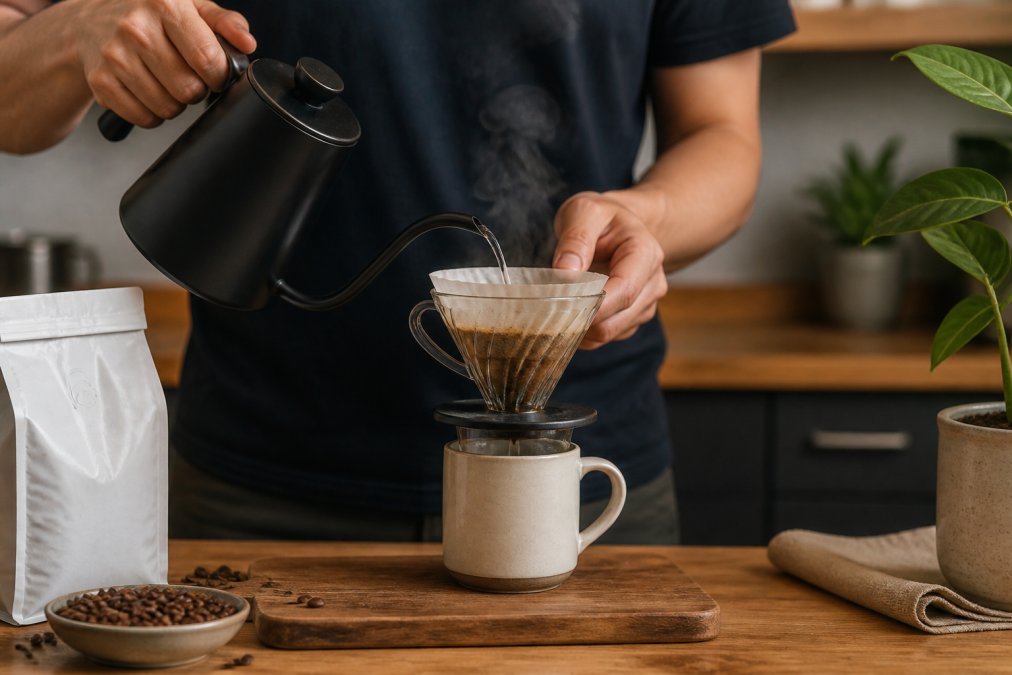
Water quality matters. Filtered water with moderate mineral content (around 150 ppm total dissolved solids) is the practical sweet spot. Hard water suppresses acidity and flattens floral notes, exactly the characteristics that make Ethiopian single origin coffees worth buying.
Match your brew method to the roast level:
| Roast Level | Recommended Methods | Why |
|---|---|---|
| Light (Limu Ethiopia) | Pour-over, Chemex, AeroPress | Preserves delicate floral and tea notes |
| Medium (Yirgacheffe, Guji) | Pour-over, drip, AeroPress | Balances clarity with approachability |
| Medium-Dark (Betulia, Huila) | Espresso, French press, drip, cold brew | Full body benefits from immersion or pressure |
Grind fresh, grind consistently. Pre-ground coffee loses volatile aromatic compounds within hours of grinding. A burr grinder produces consistent particle size; blade grinders produce uneven extraction.
Roast date over roast level. A light roast that's six weeks past its roast date will taste flat. A medium-dark roast that's five days off roast will taste sharp and grassy. The optimal brewing window for most single origin coffees is 7 to 21 days post-roast.
For cold brew, medium-dark roasts like the Huila Colombia and Betulia Colombia extract particularly well with cold water over 12-18 hours. The lower acidity of the medium-dark roast profile suits cold extraction, which naturally suppresses bright acids and amplifies body and sweetness.
Single Origin vs. Blend: Which Is Right for You?
Single origin coffee is not objectively better than blended coffee. The right choice depends on what you're optimizing for.
Single origin is the better choice when you want to taste a specific origin's character, when you're developing your sensory vocabulary, or when you're brewing methods like pour-over that amplify origin-specific notes. It also supports traceability: you know exactly where your coffee came from, which matters for ethical sourcing and fair trade practices.
Blends are the better choice when you need consistency across bags and seasons, when you're pulling espresso and want a predictable extraction, or when you're new to specialty coffee and prefer a balanced, approachable cup.
The ethical sourcing dimension favors single origin. With a blend, tracing beans back to specific farms or cooperatives is difficult. Single origin coffees, particularly those with direct trade or fair trade certification, provide a clearer connection between your purchase and the farming community. As documented in Fair Trade Canada's sourcing standards, certified fair trade coffee ensures minimum price guarantees and community development premiums for farmers.
Final Comparison: Best Single Origin Coffee Beans 2026
| Coffee | Price | Roast | Flavor Profile | Best For |
|---|---|---|---|---|
| Limu Ethiopia | $18.00 | Light | Floral, green tea, bright | Pour-over purists |
| Yirgacheffe Ethiopia | $19.00 | Medium | Jasmine, berry, orange zest | Floral and citrus lovers |
| Guji Ethiopia | $19.00 | Medium | Peach, citrus, silky body | Beginners and drip brewers |
| Betulia Colombia | $18.00 | Medium-Dark | Sugar cane, lime, chocolate | Espresso and French press |
| Huila Colombia | $18.00 | Medium-Dark | Toasted almond, cherry, rich | Full-body and cold brew |
All five represent genuine specialty coffee with traceable origins, freshly roasted and available individually or as part of curated bundles. For those who want to explore the full range before committing to a single origin, the Huila Colombia Duo at $34.00 offers two distinct Colombian roast profiles side by side. For higher-volume home brewers, the 1 kg whole bean option at $60.00 covers multiple origins in a single order.
The real difference between grocery store coffee and these single origin beans isn't marketing. It's altitude, varietal, processing method, and roast date, four variables that determine whether your morning cup is forgettable or genuinely worth the ritual.
Frequently Asked Questions
Which single origin coffee is considered the best for pour-over brewing?
Light to medium roasts from high-altitude Ethiopian regions tend to shine brightest in pour-over. The Limu Ethiopia Light Roast and Yirgacheffe Ethiopia Medium Roast are both excellent choices: their floral aromatics and bright acidity open up beautifully with a slow, controlled pour. A medium-coarse grind and water around 93°C will give you the clearest expression of their tasting notes.
What are the key differences between single origin and blend coffee beans?
Single origin coffee comes from one defined farm, region, or cooperative, so every cup reflects the terroir, altitude, and processing method of that specific place. Blends combine beans from multiple origins to create a consistent, balanced flavor year-round. Single origin beans typically offer more distinct, complex tasting notes and greater traceability, while blends are engineered for reliability. For cold brew and filter methods, single origin beans often produce more interesting, nuanced results.
How do I identify high-quality single origin coffee beans?
Look for a clearly stated origin (farm, region, or cooperative), a named processing method (washed, natural, or honey process), a roast date within the past four weeks, and 100% Arabica variety. Specialty-grade beans are typically grown above 1,000 metres altitude and carry cupping scores that reflect measurable quality. Certifications like USDA Organic or Fair Trade add another layer of traceability and ethical sourcing assurance.
What is the best way to store single origin coffee beans to maintain freshness?
Store whole beans in an airtight, opaque container away from heat, light, and moisture. A cool cupboard is preferable to the refrigerator, which introduces humidity. Buy in quantities you will finish within two to three weeks of the roast date for peak flavor. Grinding just before brewing preserves volatile aromatic compounds significantly longer than pre-ground coffee, which begins losing complexity within days of grinding.
Does single origin coffee have more caffeine than blends?
Caffeine content depends more on roast level and bean variety than on whether a coffee is single origin or blended. Lighter roasts retain slightly more caffeine by weight than darker roasts because the roasting process breaks down caffeine molecules over time. Arabica beans, which all Gilded Grind single origin coffees use, contain less caffeine than Robusta. So a light-roast single origin Arabica will have a different caffeine level than a dark-roast blend containing Robusta.
Choosing the right single origin coffee is straightforward once you know what you're tasting for. Gilded Grind offers a curated range of freshly roasted, traceable single origin beans, from the floral delicacy of Limu Ethiopia to the rich body of Huila Colombia, designed for home brewers who take their morning cup seriously. Explore the full collection and find your next favorite origin.
SHOP ALL COLLECTION
This article was written using GrandRanker


