
Table of Contents
- Why Coffee Enthusiasts Switch From Mistobox Alternatives
- How to Choose a Coffee Subscription That Matches Your Taste
- Best Coffee Subscription for Variety: What Sets Quality Services Apart
- Coffee Subscription Frequency: Finding Your Reorder Rhythm
- Curated Bundles vs. Subscription Models: Which Fits Your Routine
- Cost-Per-Cup Analysis: Premium Quality Without Waste
- Making the Switch: What to Expect From a New Coffee Source
Last Updated: August 20, 2026
Why Coffee Enthusiasts Switch From Mistobox
Coffee subscription alternatives exist because no single service fits every palate, budget, or brewing philosophy. When coffee lovers outgrow their current subscription, it's rarely about dissatisfaction alone. It's about finding a service that aligns more closely with how they actually drink coffee.
The real reason people switch isn't always dramatic. Sometimes it's a mismatch between curated selections and personal taste. Sometimes it's packaging that doesn't preserve freshness as well as promised. Sometimes it's a subscription model that doesn't flex around life's interruptions, travel, budget shifts, or simply wanting to explore independently for a season.
At Gilded Grind, we've seen this pattern repeatedly: coffee enthusiasts aren't looking for a better version of the same thing. They're looking for a service that understands their specific brewing ritual, respects their budget, and doesn't waste beans they won't drink. This guide covers what actually drives those switches and how to evaluate whether a coffee subscription alternative genuinely serves your needs better.
The best alternatives share common traits: transparency about roast dates and origin, flexibility in ordering frequency, and pricing that justifies the premium over grocery-store options. But they differ significantly in how they curate, how they ship, and whether they prioritize variety or depth.
How to Choose a Coffee Subscription That Matches Your Taste
Choosing a coffee subscription alternative requires understanding what you actually value in specialty coffee. The decision isn't about finding the objectively "best" service, it's about matching the service to your brewing habits, flavor preferences, and lifestyle.
Start by defining your brewing method. Pour-over enthusiasts benefit from medium roasts that highlight origin characteristics. Espresso drinkers often prefer darker, more body-forward blends. French press users typically enjoy fuller-bodied coffees with lower acidity. A subscription that excels at curating for one method may disappoint users of another.
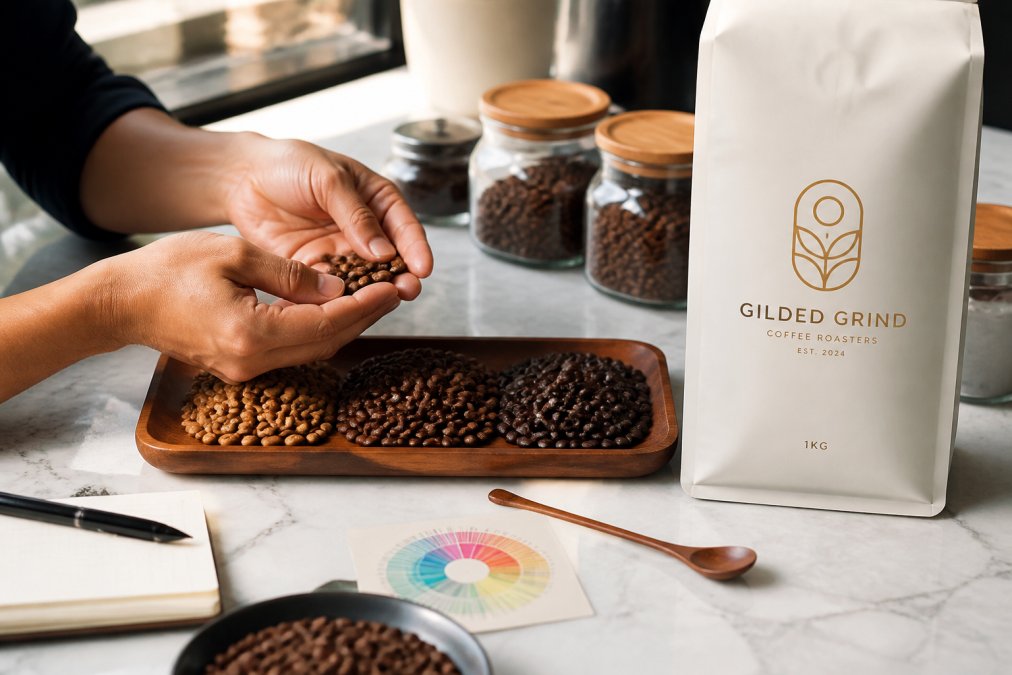
Next, assess how the service communicates about its coffee. Look for specific information: roast date, origin country and region, altitude, processing method, and tasting notes. Services that omit these details are either sourcing commodity coffee or hiding supply chain information. Specialty coffee subscriptions should publish this data transparently. Gilded Grind's Light Roast Coffee Bundle | 4 bags includes Ethiopia Yirgacheffe, Costa Rica Finca, Guatemala Antigua, and Ethiopia Limu, each with distinct flavor profiles suited to different brewing preferences.

Consider your tolerance for experimentation. Some subscribers want predictable flavors they can rely on. Others crave discovery and welcome unexpected origins. Neither preference is wrong, but it should guide your choice. Subscriptions heavy on single-origin beans suit explorers. Blend-focused services suit those seeking consistency.
Finally, evaluate the subscription model itself. Can you pause without penalty? Skip months when traveling? Adjust frequency? A service that forces quarterly shipments when you only need monthly coffee creates waste and frustration. The best alternatives offer genuine flexibility, not just the technical option to cancel.
| Evaluation Criteria | What to Look For | Why It Matters |
|---|---|---|
| Roast Date Transparency | Published date within 2 weeks of shipment | Freshness degrades after 4 weeks; older beans indicate poor logistics |
| Origin Information | Specific country, region, altitude, processing | Allows you to predict flavor profile and brewing approach |
| Tasting Notes | Detailed descriptors (acidity level, body, flavor notes) | Helps match coffee to your brewing method and preferences |
| Subscription Flexibility | Pause, skip, or adjust frequency without fees | Prevents waste and aligns with your actual consumption |
| Pricing Transparency | Clear per-bag cost, no hidden fees | Allows honest cost-per-cup comparison |
Best Coffee Subscription for Variety: What Sets Quality Services Apart
The best coffee subscriptions for variety don't just rotate through different origins. They intentionally curate selections that build a coherent flavor journey while exposing you to distinct coffee-growing regions and processing methods.
Quality variety means strategic curation, not random rotation. A strong service includes light roasts that showcase floral and citrus notes from East African coffees, medium roasts that balance acidity and body from Central American origins, and darker roasts that emphasize chocolate and earth tones from Indonesian beans. This approach teaches your palate while maintaining freshness, you're always discovering something new without the jarring inconsistency of purely random selections.
Look for services that explain the "why" behind their selections. When a subscription pairs a natural-process Ethiopian coffee with a washed-process Kenyan bean, that's intentional curation. When they include processing method information, they're educating subscribers about how preparation affects flavor. Gilded Grind's Global Coffee Collection | 6 Bags demonstrates this approach, six distinct origins, each chosen to represent different flavor profiles and coffee-growing traditions.

The strongest alternatives also offer customization within variety. Some allow you to select roast level preferences while maintaining surprise in origin selection. Others let you specify "no repeats for 12 months" to ensure genuine novelty. These features distinguish services that respect your palate from those that simply rotate through inventory.
Coffee Subscription Frequency: Finding Your Reorder Rhythm
Subscription frequency directly impacts coffee freshness and waste. Understanding your actual consumption rate prevents you from accumulating stale beans or running short between shipments.
Most specialty coffee enthusiasts consume between 300 and 500 grams weekly, depending on brewing method and daily cup count. A single-serve espresso drinker might use 20 grams daily. A pour-over enthusiast might use 30 grams daily. Calculate your consumption honestly, overestimating leads to waste, underestimating leads to stale coffee.
Roast date matters more than most drinkers realize. Coffee peaks in flavor 5-14 days after roasting, depending on roast level. Lighter roasts reach peak flavor earlier; darker roasts develop complexity over two weeks. A subscription that ships immediately after roasting means your coffee arrives at or near peak flavor. Services that warehouse inventory before shipping mean your coffee is already declining in freshness.
Evaluate shipping speed as part of frequency. A service that roasts on Monday and ships Tuesday arrives fresher than one that roasts, waits three days, then ships. This distinction compounds over time. After four weeks, coffee loses significant aromatic complexity. After eight weeks, it's noticeably stale.
The ideal frequency balances freshness with convenience. For most home brewers, bi-weekly or monthly shipments work well. This ensures you're never more than two weeks into consumption when the next shipment arrives, maintaining consistent freshness. Some services offer weekly options for high-volume drinkers or those who prioritize peak-freshness coffee above all else.
Curated Bundles vs. Subscription Models: Which Fits Your Routine
Two distinct models dominate specialty coffee: recurring subscriptions that auto-ship selections, and curated bundles that you purchase on demand.
Subscriptions offer convenience and discovery. You set frequency, the service handles curation, coffee arrives on schedule. The downside: inflexibility. If you travel for three weeks, you're still receiving shipments. If your taste evolves, you're locked into previous preferences. True subscriptions require active management to pause or adjust.
Bundles offer control and intentionality. You purchase when ready, choose your selections, receive exactly what you want. The downside: requires ongoing decision-making. You must remember to reorder. You lose the discovery element unless you actively explore new origins each purchase.
Gilded Grind's bundle approach, Light Roast Coffee Bundle | 4 bags at $75.00, Dark Roast Coffee Bundle | 4 bags at $75.00, Medium Roast Bundle | 6 Bags at $99.00, suits coffee enthusiasts who know their preferences and want to buy with intention. The Global Coffee Collection | 6 Bags at $99.00 provides variety for explorers without committing to recurring shipments.

The hybrid model, some services offer both, provides maximum flexibility. You can subscribe when you want convenience, purchase bundles when you want control. This approach respects that your coffee needs shift seasonally or with life circumstances.
| Model | Best For | Trade-Off |
|---|---|---|
| Auto-Subscription | Hands-off convenience, discovery-focused drinkers | Less control, requires active pause/skip management |
| Curated Bundles | Intentional buyers, known preferences | Requires remembering to reorder, less discovery |
| Hybrid (Both Options) | Flexibility-prioritizing drinkers | Typically higher prices to support both models |
Cost-Per-Cup Analysis: Premium Quality Without Waste
The price difference between specialty coffee subscriptions and grocery-store coffee feels significant until you calculate cost-per-cup. Then the math becomes interesting.
A typical specialty coffee subscription charges between $12 and $18 per 300-gram bag. At standard brew ratios (1:16 coffee to water), a 300-gram bag produces approximately 15 cups. This yields a cost-per-cup of roughly $0.80 to $1.20. Grocery-store premium coffee typically costs $8-12 per pound (454 grams), yielding similar per-cup costs but with significantly older beans and less transparent sourcing.
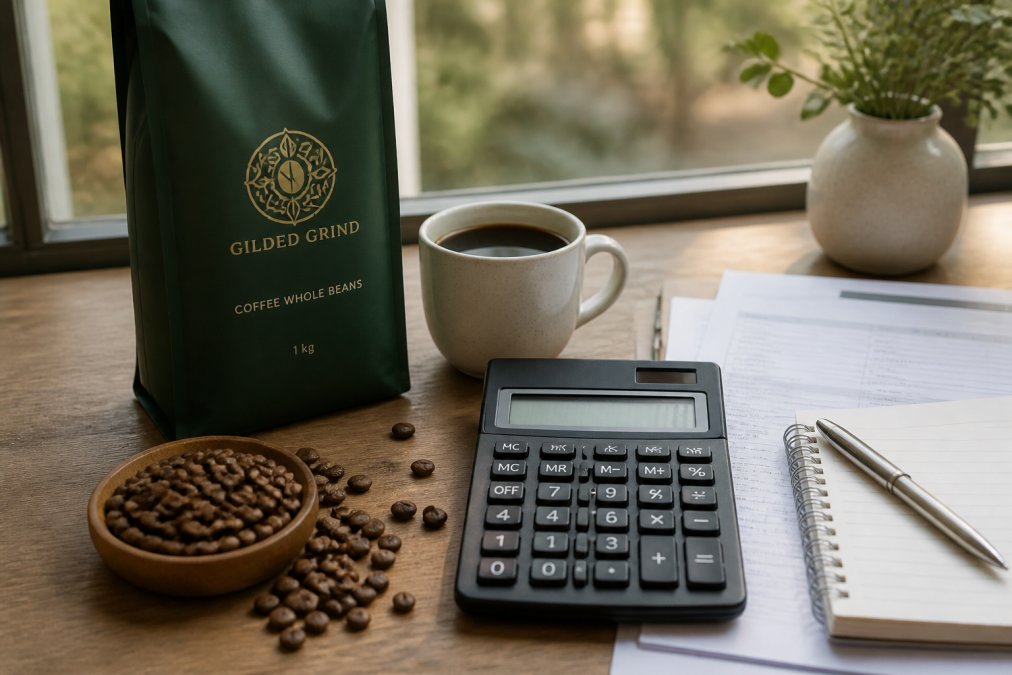
The real cost difference emerges when you factor in waste. Stale coffee, coffee more than four weeks past roasting, brews poorly. Many drinkers compensate by using more grounds, effectively increasing cost-per-cup while degrading flavor. A subscription that prioritizes freshness prevents this waste.
Gilded Grind's Huila Colombia | Duo at $34.00 for two 300-gram bags yields approximately $1.13 per cup, premium pricing that reflects single-origin sourcing and freshness guarantee. Compare this to the Coffee Whole Beans | 1 kg at $60.00, which yields approximately $0.40 per cup across 25 cups, lower cost-per-cup but less transparency about origin specificity.
The value calculation shifts when you consider what you're actually paying for: freshness, transparency, ethical sourcing, and flavor consistency. A subscription that delivers coffee at peak freshness eliminates the waste inherent in stale beans. You're paying for quality that actually reaches your cup.
Making the Switch: What to Expect From a New Coffee Source
Switching coffee subscriptions creates a transition period where your palate recalibrates. Understanding this helps you evaluate whether a new service genuinely suits you or whether you're simply experiencing adjustment friction.
When you switch sources, the first three shipments may feel unfamiliar. Your brewing equipment has absorbed residual oils and flavors from previous coffee. Your palate has calibrated to those specific flavor profiles. A new source, even if objectively higher quality, tastes different. This isn't failure; it's adjustment.
Begin by tasting the new coffee blind, without expectation. Brew it using your established method. Note what you taste without comparing to previous subscriptions. After the second or third shipment, patterns emerge. You'll recognize whether the service consistently delivers fresh coffee, whether the flavor profiles match your preferences, and whether the subscription model actually fits your life.
Pay attention to specific markers: Does coffee arrive within 10 days of roasting? Are tasting notes accurate to what you actually taste? Does the service communicate proactively about shipping delays or sourcing changes? These details reveal whether a service prioritizes your experience or simply moves inventory.
Most coffee enthusiasts need 2-3 months to fairly evaluate a new subscription. This timeline covers enough shipments to assess consistency and enough time for your palate to recalibrate. If after three months you're not enjoying the coffee or the service frustrates you, switching again is reasonable. Your coffee ritual should bring satisfaction, not friction.
Switching from your current coffee source represents an opportunity to realign your ritual with services that actually serve your needs. The best coffee subscription alternative isn't universally "best", it's the one that delivers fresh, transparently sourced beans on a schedule that respects your life. Gilded Grind's curated bundles and transparent sourcing make it a compelling choice for coffee enthusiasts seeking quality without subscription inflexibility. Explore the Global Coffee Collection | 6 Bags to experience how intentional curation and freshness elevate your daily ritual. Your morning coffee deserves a source that matches your sophistication.
Frequently Asked Questions
What makes a coffee subscription worth the premium price compared to grocery store beans?
Specialty coffee subscriptions deliver freshly roasted beans within days of roasting, whereas grocery store coffee is often weeks old. You're paying for roast date transparency, single-origin traceability, and flavor profiles optimized for specific brewing methods. A $99 bundle like Gilded Grind's Global Coffee Collection provides six distinct origins with documented tasting notes, something mass-market coffee cannot offer. The cost-per-cup typically ranges from $0.80 to $1.50 for premium whole beans versus $0.30 for commodity coffee, but the flavor difference justifies the difference for enthusiasts.
How do I know if a coffee subscription actually matches my flavor preferences?
Quality subscriptions provide detailed tasting notes, processing methods, and altitude information for each origin. Before committing, look for services offering trial purchases or smaller sample sizes. Gilded Grind's Huila Colombia Duo ($34) lets you taste two roast profiles from the same region before investing in larger bundles. Pay attention to acidity, body, and mouthfeel descriptors, these directly influence how the coffee tastes in your cup. If you prefer bright, fruity notes, light roasts and washed-process coffees are your focus; if you want bold, chocolatey flavors, dark roasts and natural-process beans suit you better.
What's the difference between a one-time bundle purchase and a recurring subscription?
One-time bundles give you complete control, buy when you want, pause without penalty, and avoid subscription fatigue. Recurring subscriptions lock you into automatic shipments, though most allow pausing or frequency adjustments. Gilded Grind offers flexible bundles ranging from $24 pour-over boxes to $99 six-bag collections without mandatory recurring commitments. If you brew daily, a 6-bag bundle ($99) lasts roughly three weeks. Subscriptions work best for consistent drinkers; occasional brewers should choose one-time purchases to prevent beans from aging past their peak freshness window of four weeks after roasting.
How can I verify that a coffee service actually sources ethically and sustainably?
Look for roasters publishing specific certifications, farm names, and payment transparency. Gilded Grind sources from established regions like Ethiopia Yirgacheffe, Colombian Huila, and Indonesian Sumatra with documented farming practices. Third-party certifications such as Fair Trade, Rainforest Alliance, or direct-trade partnerships indicate accountability. Ask roasters directly about farmer relationships and pricing, legitimate specialty roasters openly discuss their supply chain. Avoid vague claims like 'ethically sourced' without supporting details. Certifications and farm-to-cup transparency demonstrate a commitment beyond marketing language.
This article was written using GrandRanker


