
Table of Contents
- Washed vs Natural Coffee: What the Labels Actually Mean
- Washed vs Natural Coffee Taste: Acidity, Body, and Flavor Clarity
- How to Brew Natural Coffee at Home (and Washed, Too)
- Coffee Grind Size for Home Brewing: Match Your Method
- Best Coffee Beans for Pour Over: What to Look For
- Troubleshooting by Taste: Fixing Your Cup
- Conclusion: Choosing Your Process
- Frequently Asked Questions
Last Updated: October 16, 2026
Washed vs Natural Coffee: What the Labels Actually Mean
Washed vs natural is the single biggest fork in how a coffee tastes before you ever grind it.
Here is the part most guides skip: the label on the bag describes how the fruit was removed from the seed, not how dark it was roasted.
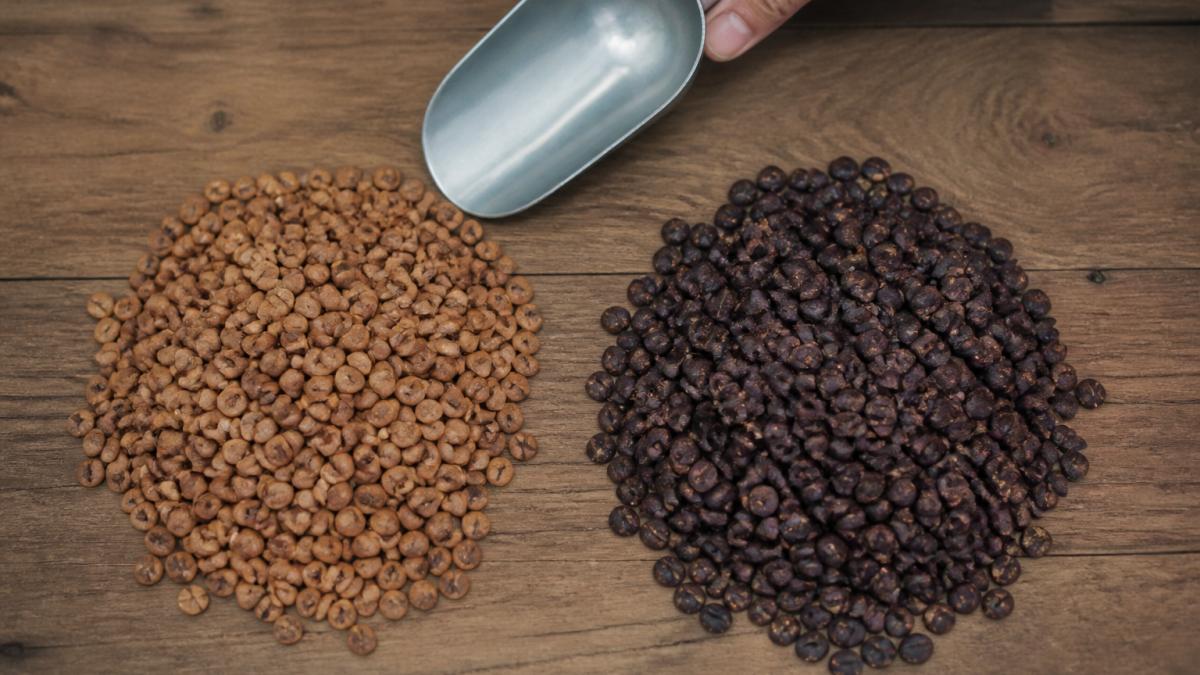
Washed Process: Clean and Consistent
Washed process coffee has the fruit stripped off the seed before drying. The cherry is pulped, the sticky mucilage is washed away in tanks, and the bare green coffee is dried on raised beds or patios.
That removal is why washed coffees taste so legible. You get the bean's own character: acidity, florals, tea-like notes. You rarely get surprises, which is exactly the point.
Natural Process: Fruit-Forward and Unpredictable
Natural process coffee, sometimes called dry process, dries the whole cherry with the seed still inside. The fruit stays in contact with the bean for weeks, and some of that character moves inward.
The result is heavier sweetness, berry and stone-fruit notes, and a rounder cup. The trade-off is consistency. Two bags from the same farm can differ noticeably, and a poorly handled natural can taste fermented or muddy rather than fruity.
Washed vs Natural Coffee Taste: Acidity, Body, and Flavor Clarity
Washed coffee tastes brighter and cleaner; natural coffee tastes sweeter and heavier. That is the short version of washed vs natural coffee taste, and it holds across most origins and brew methods.
Acidity and Brightness
Washed coffees read as bright. Think citrus, green apple, black tea. The acidity is more defined because nothing is sitting on top of it.
Natural coffees still have acidity, but it is wrapped in fruit. A natural Ethiopian might taste like peach juice rather than peach skin. If you normally find bright coffees sharp, a natural is the gentler entry point.
Body and Mouthfeel
Body is where naturals pull ahead for a lot of drinkers. The fruit contact leaves more dissolved solids behind, so the cup feels rounder and more syrupy.
Washed coffees feel lighter and more transparent. That transparency is a feature, not a flaw. It is why washed beans dominate cupping tables and why roasters use them to show off a single origin's terroir.
| Attribute | Washed Process | Natural Process |
|---|---|---|
| Acidity | Bright, defined | Softer, fruit-wrapped |
| Body | Light to medium | Medium to heavy |
| Flavor clarity | High, transparent | Layered, complex |
| Sweetness | Clean, sugary | Jammy, fruit-forward |
| Consistency | High bag to bag | Varies more |
| Best for | Learning to taste | Drinkers who want punch |
How to Brew Natural Coffee at Home (and Washed, Too)
How to brew natural coffee at home is mostly a question of restraint. Naturals already carry a lot of flavor, so the goal is to avoid over-extracting them into something muddy.
Use the same gear for both processes. Change the recipe, not the equipment. Here are the two pour-over recipes we would start with.
Pour-Over Recipe for Natural Coffees
Ratio: 1:16 (15 g coffee to 240 g water) Grind: medium-coarse Water: 93°C Total time: 2:45
- Rinse the filter and warm the carafe.
- Add 15 g coffee, level the bed.
- Bloom with 45 g water, wait 40 seconds.
- Pour to 140 g in slow circles.
- Pour to 240 g, finishing by 2:15.
- Let it drain fully, then taste.
Keep agitation gentle. Naturals release their fruit fast, and too much stirring pulls bitterness along with it.
Pour-Over Recipe for Washed Coffees
Ratio: 1:15 (16 g coffee to 240 g water) Grind: medium Water: 94°C Total time: 2:30
- Rinse the filter.
- Add 16 g coffee, level the bed.
- Bloom with 50 g water, wait 35 seconds.
- Pour in two stages to 240 g.
- A gentle swirl at the end helps the bed settle.
Washed beans reward a slightly finer grind and a touch more heat. You are pulling for clarity, so a faster, cleaner drawdown is what you want.
Coffee Grind Size for Home Brewing: Match Your Method
Grind size is the variable that most often decides whether a natural tastes jammy or muddy, and whether a washed coffee tastes crisp or hollow. Match the grind to the brewer first, then adjust for process. The table below gives starting points for a 1:16 ratio, 240 g water, and a medium-light coffee; treat them as launch pads, not laws.
| Brewer | Starting Grind | Natural Adjustment | Washed Adjustment |
|---|---|---|---|
| Pour-over (cone) | Medium | One step coarser | One step finer |
| French press | Coarse | Keep coarse, shorten steep to 3:30 | Keep coarse, steep 4:00 |
| Drip machine | Medium | Coarser side of medium | Medium, standard basket |
| AeroPress | Medium-fine | Coarser, steep 1:30 | Finer, steep 2:00 |
| Moka pot | Fine | Back off one notch | Standard fine |
Why Naturals Want a Coarser Grind
Natural coffees carry more soluble fruit material on and near the bean surface. A finer grind exposes more of that material at once, and the cup tips from "strawberry" into "fermented." Going one step coarser slows the extraction and keeps the fruit in focus. If you do not have a stepped grinder, aim for a drawdown that finishes 15 to 20 seconds faster than your washed recipe at the same dose.
Light Roast Coffee Bundle | 4 bags →
Why Washed Coffees Tolerate Finer Grinds
Washed coffees have less surface residue, so a finer grind pulls out the acidity and floral notes that define them without dragging in off-flavors. If a washed coffee tastes thin or tea-like in a way you do not enjoy, go finer before you change anything else.
The Controlled Side-by-Side Test
Most guides tell you to "taste both and see." That is not useful unless you control the variables. Here is a repeatable comparison you can run in one sitting:
- Pick one washed and one natural coffee from the same origin and similar roast level. Ethiopian is the easiest starting pair because both processes are common there.
- Use the same grinder, same water, same dose (15 g), same ratio (1:16), and same brewer.
- Brew the washed coffee first, taste it at 60°C, then again at room temperature.
- Rinse the brewer, then brew the natural with the identical recipe.
- Write down three words for each cup before you compare them.
The point is not to crown a winner. It is to isolate process from origin, roast, and gear. If you change the grinder or the water between cups, you are no longer tasting process.
Best Coffee Beans for Pour Over: What to Look For
The best coffee beans for pour over are whole bean, freshly roasted, and matched to the flavor you actually want. Process is one filter; origin and roast level are the other two.
Look for a roast date, not a best-before date. Whole bean over pre-ground, always. And buy from a supplier who tells you the origin and the process plainly.
Our own pour-over picks cover both sides of the washed vs natural divide:
- Limu Ethiopia | Light Roast ($18.00) brings bright, floral, green tea notes. A clean washed profile that shows what clarity means.
- Guji Ethiopia | Medium Roast ($19.00) is juicy and fruit-forward, with peach and citrus over a silky body and black tea finish.
- Yirgacheffe Ethiopia | Medium ($19.00) layers jasmine and rose-like florals with orange zest acidity and natural berry sweetness.
If you would rather taste across the range before committing, the Light Roast Coffee Bundle | 4 bags ($75.00) and the Global Coffee Collection | 6 Bags ($99.00) both ship as whole bean in 300 g bags.


Troubleshooting by Taste: Fixing Your Cup
Troubleshooting by taste is faster than any recipe chart, but only if you know what each fault points to and whether the cause is the process or the brew. The table below maps common faults to likely causes and fixes, with a note on when the process itself is the culprit.
| What You Taste | Likely Cause | The Fix | Process Note |
|---|---|---|---|
| Sour, thin, salty | Under-extracted | Grind finer, raise water temp 2°C | More common with washed |
| Harsh, dry, bitter | Over-extracted | Grind coarser, shorten brew | More common with naturals |
| Muddy, no clarity | Too fine, too much agitation | Coarsen grind, pour gentler | Almost always a natural issue |
| Weak but bitter | Uneven extraction | Level the bed, slow the pour | Either process |
| Fermented, boozy | Natural pushed too far | Lower water temp by 2°C | Natural-specific |
| Flat, papery, dull | Water chemistry | Switch to filtered water | Either process |
Water Chemistry: The Variable Most Guides Skip
Water is roughly 98% of your cup, and its mineral content changes how you perceive acidity, sweetness, and clarity. Two numbers matter most:
- Total hardness: Aim for 50 to 175 ppm as calcium carbonate. Very soft water makes coffee taste flat and sour; very hard water mutes acidity and can taste chalky.
- Alkalinity: Aim for 40 to 70 ppm. High alkalinity buffers coffee's natural acids, which flattens the brightness that washed coffees are prized for.
If your tap water is heavily chlorinated, the chlorine compounds with coffee aromatics and produces a medicinal or band-aid note that no grind adjustment will fix. A simple carbon filter removes it. If you want to go further, a 50/50 blend of filtered tap water and a low-mineral bottled water is a practical starting point for home brewing.
Extraction Yield: The Number Behind the Taste
Extraction yield is the percentage of coffee mass that dissolves into your cup. Most home brewers land between 18% and 22%. Below 18% tastes sour and thin; above 22% tastes bitter and dry. You do not need a refractometer to use this idea. If a cup tastes under-extracted, you are below the range; if it tastes over-extracted, you are above it.
Separating Process from Everything Else
When a natural tastes muddled, check the freshness before blaming the process. A bag roasted eight weeks ago will taste dull regardless of process. Likewise, a washed coffee that tastes sour may simply be under-extracted, not "too bright." Before you conclude that you dislike a process, confirm that the brew itself is sound.
Conclusion: Choosing Your Process
Washed vs natural is not a contest with a winner. It is a choice about what you want from the cup: washed for clarity and consistency, natural for fruit and body.
Start with one of each, brew them with the recipes above, and let your own palate settle it. Our collection spans both profiles, from the bright floral Limu to the fruit-forward Guji, all shipped as whole bean for brewing at home.
Frequently Asked Questions
Which is better, washed or natural coffee?
Neither is objectively better. Washed coffees offer clarity and consistent acidity, making them forgiving for beginners. Natural coffees deliver bold fruitiness and heavier body but can be unpredictable. Your choice depends on whether you prefer a clean cup or a fruit-forward experience. Try both side by side with the same brewing method to see which suits your palate.
How do washed and natural coffees taste different?
Washed coffees taste clean and bright, with pronounced acidity and clear flavor notes like citrus or floral. Natural coffees taste fruitier and sweeter, often with berry or fermented notes and a heavier body. The washed vs natural coffee taste difference comes from how much fruit remains on the bean during drying, which affects fermentation and final flavor compounds.
Which coffee is easier to brew at home?
Washed coffees are generally more forgiving because their consistent density and moisture content respond predictably to grind and water changes. Natural coffees can be trickier due to brittle beans and variable density, often requiring slightly coarser grinds and lower water temperatures to avoid over-extraction. Start with washed if you are new to home brewing.
What brewing method works best for natural coffee?
Pour-over and French press work well for natural coffees. Pour-over highlights fruit notes with clarity, while French press amplifies body and sweetness. Use a slightly coarser grind and water around 90-93°C to prevent bitterness. Adjust brew ratio to 1:15 or 1:16 to balance the intense flavors natural beans bring.
How should I choose coffee beans for my home brewing method?
Match the bean to your brewer. Pour-over suits washed coffees for clarity or natural coffees for fruit-forward cups. Espresso works with either but natural coffees may need grind adjustments. Buy whole bean and grind fresh for the best results.
The hardest part of home brewing is not technique; it is finding beans worth the effort. Gilded Grind sources single-origin, 100% Arabica coffee and ships it as whole bean so it reaches your grinder fresh, with roast profiles running from light and floral to deep and rich. Explore the collection and find the cup that fits your morning.


