
Table of Contents
- What Sets Premium Coffee Beans Apart
- Coffee Bean Quality Indicators That Matter
- Flavor Profile Depth and Extraction Science
- Best Coffee Beans for Automatic Machines
- How to Store Coffee Beans for Maximum Freshness
- The Real Cost Per Cup Breakdown
- Why Premium Beans Reduce Your Need for Additives
- Frequently Asked Questions
Last Updated: September 21, 2026
What Sets Premium Coffee Beans Apart
Premium coffee beans deliver a fundamentally different drinking experience than commodity alternatives, rooted in how they're grown, harvested, and handled from farm to cup.
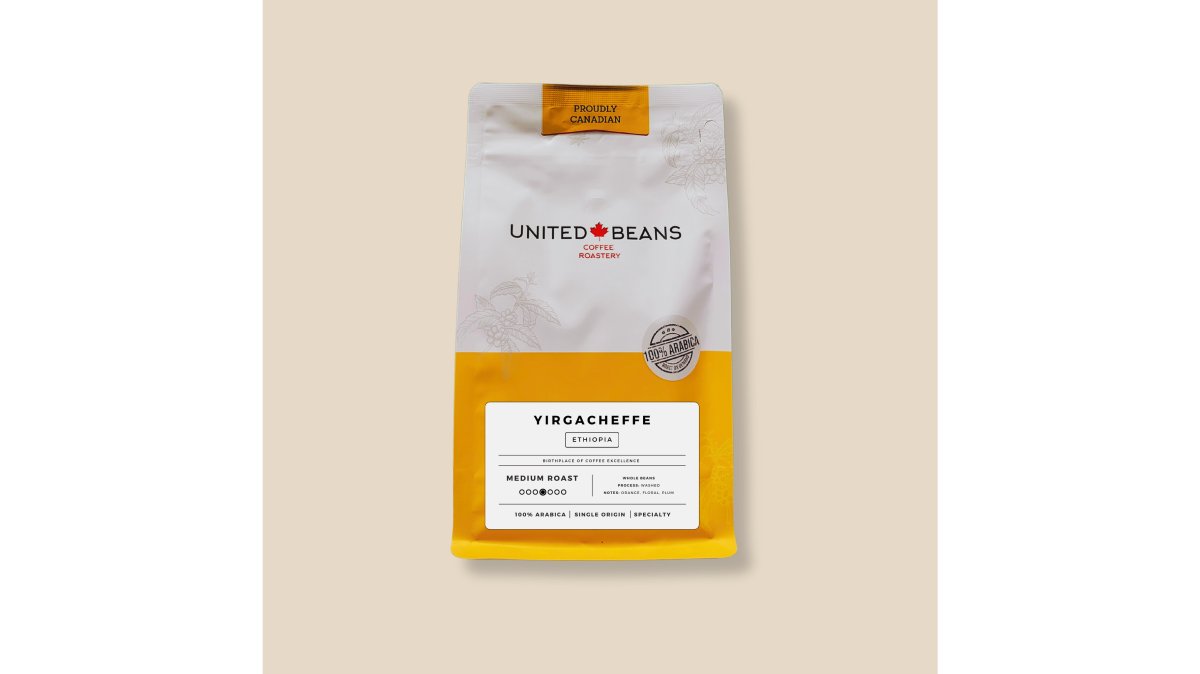
A premium bean carries the terroir of its region, altitude, soil composition, and climate conditions that shape flavor in ways mass-produced blends cannot replicate. Ethiopian Yirgacheffe or Sumatra G1 represent intentional farming practices and selective harvesting, not commodity blending designed for consistency above all else.

Premium beans differ in three ways: they come from specific origins with documented quality standards, they're fresher (preserving volatile compounds), and they're denser and more uniform. These factors combine to produce a cup that tastes noticeably richer, cleaner, and more nuanced.
Coffee Bean Quality Indicators That Matter
Real quality indicators are measurable and transparent, not vague descriptors like "smooth" or "bold."
Single-Origin vs. Commodity Blends
Single-origin coffee comes from a specific farm, region, or country, your quality signal. Commodity blends mix beans from multiple origins and grades, optimized for cost rather than character.
Single-origin beans let you taste terroir. A Yirgacheffe expresses bright acidity, floral notes, and berry sweetness; a Sumatra bean leans toward earthy body and dark chocolate. Commodity blends flatten these distinctions.
Single-origin beans reward your brewing effort, responding visibly to changes in grind size and water quality. A commodity blend tastes roughly the same regardless.
Freshness and Roast Date
The roast date is your most reliable freshness indicator. Premium roasters print it on every bag; commodity coffee often carries only a "best by" date months away, masking actual age.
Coffee begins to stale immediately after roasting. The first two weeks (the "resting period") allow degassing and flavor development. After four weeks, volatile compounds fade noticeably; by eight weeks, most aromatic complexity is gone.
Premium beans with a visible roast date are typically roasted within two to three weeks, the peak flavor window. Commodity coffee sitting on shelves for months tastes flat and one-dimensional.
Sourcing and Ethical Standards
Premium producers invest in transparency. Look for certifications like Fair Trade, USDA Organic, or direct trade relationships, these indicate sourcing with attention to quality at origin.
Farmers paid fairly tend to invest in their crops, picking ripe cherries selectively. The result is higher-quality beans before they reach the roaster.
Flavor Profile Depth and Extraction Science
Premium beans contain more soluble compounds and flavor molecules than commodity alternatives. Extraction, dissolving desirable compounds into water, is where premium beans reveal their value.
Different compounds dissolve at different rates: acids and fruity notes extract quickly (15-20 seconds), sugars require longer (30-40 seconds), and bitter compounds emerge last. Premium beans have a wider range, giving you more flavor territory to explore through brewing adjustments.
How Grind Size Changes the Equation
Grind size controls water flow: finer grinds extend contact time and pull more compounds; coarser grinds do the opposite.
Commodity beans respond minimally to grind adjustments. Premium single-origin beans respond dramatically: a finer grind on Ethiopia Yirgacheffe pulls bright acidity and floral notes; coarser emphasizes body and sweetness. This responsiveness proves premium beans reward technique.
Water Temperature and Extraction Speed
Water temperature accelerates extraction. Most guides recommend temperatures between 88-96°C (190-205°F), but premium beans benefit from precision within that range.
Premium beans show measurable flavor shifts across a 5°C (10°F) temperature range. Brewing Sumatra G1 at 93°C (200°F) versus 96°C (205°F) produces noticeably different body and sweetness; your brewing choices unlock different facets.

Contact Time and the Extraction Window
Total brew time is the third variable. Optimal extraction occurs between 3-4 minutes. Under-extraction tastes sour and thin; over-extraction tastes bitter and harsh.
Commodity beans have a narrow extraction window (roughly 30 seconds). Premium beans have a wider window (45-60 seconds) because the compound profile is more forgiving. This is why they work better for beginners: they're harder to ruin.
Practical Application: Why Premium Beans Reward Technique
Premium beans reward extraction responsiveness. With commodity beans, micro-adjustments feel pointless. With premium beans, they're the difference between a good cup and a great one.
Best Coffee Beans for Automatic Machines
For automatic drip machines, choose medium roasts; they balance extraction speed with flavor complexity. Lighter roasts can under-extract; darker roasts can become bitter.
Medium roasts from single-origin sources deliver noticeable flavor without requiring perfect technique. Bright acidity and floral notes come through clearly in standard drip machines, and the beans forgive slight temperature variations.
For automatic machines, use a burr grinder for uniform particle size and even extraction. A medium-fine grind works best.
How to Store Coffee Beans for Maximum Freshness
Once you've invested in premium beans, storage determines how long they deliver the flavor you paid for. Coffee degrades through four mechanisms: oxidation (exposure to oxygen), light exposure, heat, and moisture. Understanding each one helps you preserve your investment.
The Oxidation Timeline
Oxygen is coffee's primary enemy. The moment beans are roasted, they begin to oxidize, a process that degrades the volatile aromatic compounds responsible for complexity and brightness. Whole beans oxidize slowly because they have minimal surface area exposed to air. Ground coffee oxidizes rapidly because grinding dramatically increases surface area.
Whole beans stored in an airtight container stay fresh for approximately 3-4 weeks after the roast date. This is the optimal window. After 4 weeks, the rate of flavor degradation accelerates noticeably. By 8 weeks, most of the aromatic complexity has faded, leaving a flat, one-dimensional cup. Ground coffee oxidizes 10-15 times faster than whole beans; use ground coffee within 24 hours of grinding for best results.
The practical implication: buy whole beans and grind only what you'll use within a day or two. Grinding a week's worth in advance and storing it, even in an airtight container, wastes the premium quality you paid for.

Airtight Containers and One-Way Valves
Not all airtight containers are equal. Standard airtight canisters seal oxygen out, but they trap carbon dioxide (CO₂) that beans release during the first 1-2 weeks after roasting. Excess CO₂ can create pressure and, over time, degrade flavor compounds.
The gold standard is a container with a one-way valve (also called a degassing valve). These valves let CO₂ escape while preventing oxygen from entering. They're commonly found on premium coffee bags themselves.
Temperature Stability
Heat accelerates oxidation and volatile compound loss. Store beans in a cool, stable environment, ideally between 10-21°C (50-70°F). Avoid:
- Direct sunlight: UV light breaks down flavor compounds. A dark cupboard or opaque container is essential.
- Kitchen counters near appliances: Heat from ovens, stovetops, or even warm windows speeds degradation.
- Freezers: This is a common mistake. Freezing introduces moisture through condensation every time you open the container and remove beans. The repeated freeze-thaw cycle damages cell structure and accelerates staling. Freezers are acceptable only for long-term storage (beyond 4 weeks) if beans are sealed in an airtight, moisture-proof bag and thawed to room temperature before opening.
- Refrigerators: Similar condensation problem. Avoid.
Moisture Management
Coffee is hygroscopic, meaning it absorbs moisture from the air. Excess moisture promotes mold growth and degrades the bean structure, making extraction uneven and flavor flat. Keep beans in an airtight container in a dry environment. If you live in a humid climate, silica gel packets inside your storage container can help, but they're rarely necessary if your container truly seals.
Grinding and Immediate Use
For maximum freshness, grind immediately before brewing. If that's not practical, grind in small batches (enough for 2-3 days) and store ground coffee in an airtight container in a cool place. If you must prepare larger quantities in advance, store ground coffee in the freezer in a sealed, airtight bag, but thaw it to room temperature before brewing.
Monitoring Freshness
Even with perfect storage, premium beans have a shelf-life. After 4 weeks from the roast date, flavor complexity noticeably declines. After 8 weeks, the cup tastes flat and one-dimensional, similar to commodity coffee. This isn't spoilage; the beans are still safe to drink, but you're no longer experiencing the premium quality you paid for.
The Real Cost Per Cup Breakdown
Premium beans cost more upfront, but the cost per cup often compares favorably to convenience alternatives like specialty café drinks. Let's break it down practically.
Why Premium Beans Reduce Your Need for Additives
This is where premium coffee reveals its practical value. When coffee tastes genuinely good, you don't need to mask it with cream, sugar, or flavorings. A flat, bitter commodity coffee demands additives to be palatable. A complex, well-roasted premium bean tastes good black.
Frequently Asked Questions
How can I tell if coffee beans are actually high quality?
Look for several coffee bean quality indicators: a roast date within 2-4 weeks, single-origin labeling with specific region details, uniform bean size and color, and absence of cracks or defects. Premium beans often display complexity in aroma, with distinct tasting notes listed on the package. Check for certifications like Fair Trade or organic status. Freshly roasted specialty coffee will have a glossy appearance and release aroma when opened, while stale beans appear dull and smell flat.
Is it really worth paying more for premium coffee beans?
Yes, when you calculate the cost per cup. Premium beans typically yield 15-18 grams per cup versus 10-12 grams for commodity blends. A $22 bag of specialty coffee makes approximately 18-22 cups at $1-1.20 per serving, while grocery-store alternatives cost $0.80-1.00 but taste noticeably flat. Premium beans extract better, require less cream or sugar to taste good, and deliver the flavor complexity that makes your daily ritual feel intentional rather than functional.
How does freshness affect the value of premium coffee beans?
Freshness directly impacts extraction and flavor development. Beans peak between 5-30 days after roasting; within this window, CO2 release creates optimal crema and body. After 4-6 weeks, beans begin losing volatile aromatics and acidity becomes muted. Premium beans maintain their complexity longer when stored correctly, but commodity blends fade faster because they lack the density and origin characteristics that preserve flavor. Checking the roast date ensures you're investing in beans at their peak potential.
What brewing method works best with premium coffee beans?
Premium beans shine with methods that highlight their complexity: pour-over, French press, and espresso all work well depending on the roast profile. Medium roasts like Ethiopia Yirgacheffe reveal floral and fruity notes in pour-over, while darker roasts like Sumatra G1 develop rich body in French press. For automatic drip machines, choose beans labeled for automatic brewing and use a medium grind. The key is matching the bean's origin characteristics to your equipment's extraction capability; premium beans reward precision in grind consistency and water temperature.


