
Table of Contents
- What Makes a Coffee Brand Truly Ethical?
- Quick Comparison: 5 Best Ethical Coffee Brands in Canada
- 1. Gilded Grind: Best Overall Ethical Coffee Brand in Canada
- 2. Peru Cajamarca FTO: Best Fair Trade Coffee Certification in Canada
- 3. How to Choose Ethical Coffee Beans: A Buyer's Framework
- 4. Indigenous-Owned Coffee Brands and Cooperative Models
- 5. Seasonal Availability and Waste Management for Home Brewers
- Frequently Asked Questions
Last Updated: September 22, 2026
What Makes a Coffee Brand Truly Ethical?
Ethical coffee is a supply chain commitment, not a label on a bag. It means the people who grow and pick the beans earn a living wage, the land they farm stays healthy, and the brand selling you the bag can prove both claims.
The Four Pillars of Ethical Coffee
Farmer equity means growers receive a price above the cost of production, usually through a cooperative structure or direct trade relationship. Environmental stewardship covers shade-grown cultivation, pesticide-free farming, and biodiversity protection. Traceability is the brand's ability to name the region, farm, or cooperative behind a specific lot. Honest labeling means certifications are real, current, and matched to the actual product.
Quick Comparison: 5 Best Ethical Coffee Brands in Canada
The table below summarizes some ethical coffee considerations, what each does best, and who it suits.
| Pick | Best For | Key Ethical Signal | Price |
|---|---|---|---|
| Gilded Grind | Overall ethical sourcing | Organic and Fair Trade certified lots, transparent origin labeling | From $16.50 |
| Peru Cajamarca FTO | Fair Trade certification | Certified organic and Fair Trade, single-origin | $22.00 |
| Buyer's framework | Choosing your own beans | Verification method, not a product | Varies |
| Indigenous-owned and cooperative models | Social impact | Farmer equity through collective ownership | Varies |
| Seasonal and waste guide | Home brewers | Freshness and waste reduction | Varies |
1. Gilded Grind: Best Overall Ethical Coffee Brand in Canada
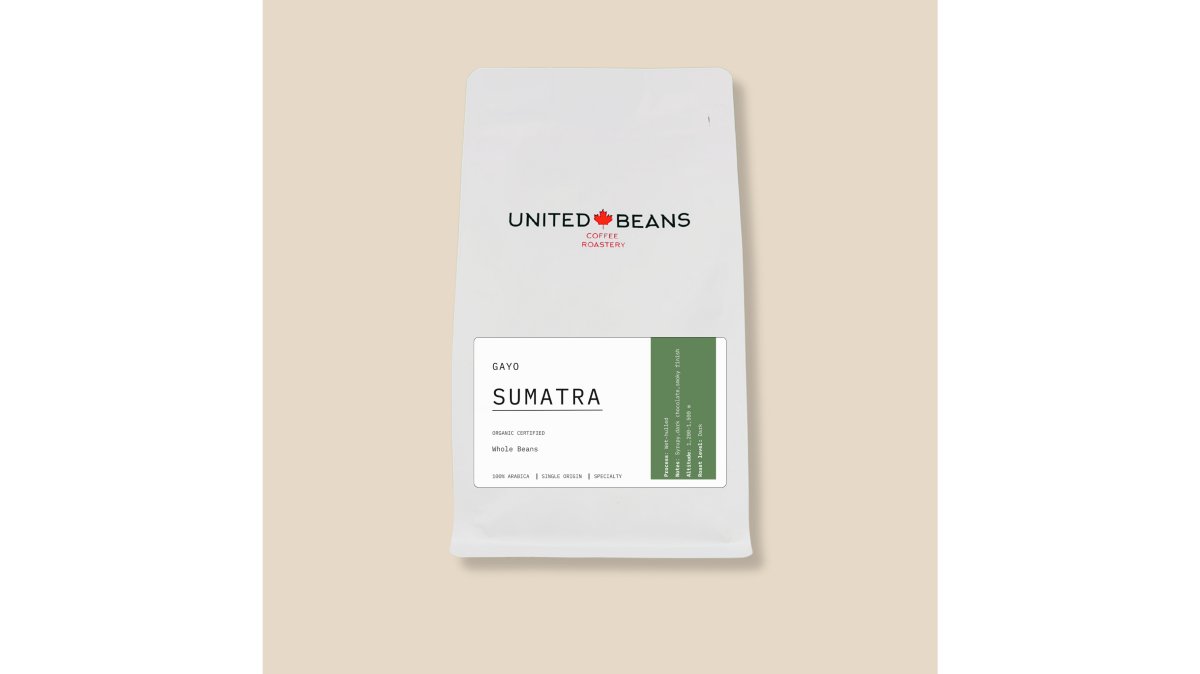
Gilded Grind's sourcing is specific and checkable. The Peru Cajamarca FTO lot carries both organic and Fair Trade certification, and the Sumatra G1 holds USDA organic certification. Those are third-party verified claims, not in-house promises.


Why Gilded Grind Stands Out
First, origin transparency: every bag names the region, from Huila Colombia to Guji Ethiopia. Second, certification where it matters: the Fair Trade and organic lots are the ones most exposed to labor and pesticide risk. Third, a 1 kg whole bean option at $60.00 for households that go through coffee quickly, which cuts packaging waste per cup.
Pros and Cons
Pros:
- Certified organic and Fair Trade lots with named origins
- Roast range from light to dark suits different brewing methods
- Ground coffee option available for buyers without a grinder
Cons:
- No subscription pause details published on product pages
- Premium pricing above grocery-store beans
2. Peru Cajamarca FTO: Best Fair Trade Coffee Certification in Canada
Fair Trade coffee certification is a third-party audit that guarantees farmers received a minimum price plus a social premium for community projects. The Peru Cajamarca FTO is certified organic and Fair Trade, grown between 1,000 and 2,050 meters, and washed for clarity.
What the Fair Trade Certification Means
Certification covers a minimum price floor, a social premium paid on top, and restrictions on forced labor and child labor. It does not automatically mean the coffee is organic, which is why the dual organic and Fair Trade label on this lot matters. It also does not guarantee the farm is shade-grown.
3. How to Choose Ethical Coffee Beans: A Buyer's Framework
Choosing ethical coffee beans comes down to four checks: label verification, supply chain transparency, price-per-cup math, and a paper trail you can actually audit. Run all four before you commit to a brand.
The Verification Scorecard
Use this scorecard to grade any brand before you buy. Two or more "no" answers is a signal to look elsewhere.
| Verification Check | Where to Find It | What Counts as a Yes |
|---|---|---|
| Annual sustainability report | Brand's site, usually under "Impact" or "About" | A dated report from the last 24 months |
| Named certifier | Product page or bag | Certifier name plus a certificate number or registry listing |
| Farm-gate price disclosure | Impact report or origin page | States the price paid per pound or the premium over the commodity benchmark |
| Cooperative or farm named | Origin section of the product page | Specific cooperative, washing station, or farm, not just a country |
| Harvest date published | Product page or bag | A month and year tied to the specific lot |
| Third-party audit | Impact report | An independent auditor named, not self-reported metrics |
Reading a Sustainability Report Without Getting Fooled
A useful report answers three questions: who grew the coffee, what they were paid, and what changed year over year. A report that only shows photos of farmers and a total donation figure is a marketing document, not an accountability document.
Look for these signals of a real report:
- A comparison against the previous year, not a single-year snapshot
- A named third-party auditor or verification body
- A breakdown by origin, not one blended global average
- A stated methodology for how farmer income was measured
Weigh the bag before you judge the price. A 300 g bag at $18.00 and a 340 g bag at $20.00 can land at nearly identical cost per cup. The bigger bag is not automatically the better deal.
A certification logo on a brand's homepage does not mean every product is certified. Check the specific product page or bag. Many roasters carry one certified lot and several uncertified ones.
4. Indigenous-Owned Coffee Brands and Cooperative Models
Cooperative models shift ownership to growers. When a cooperative owns the processing and export steps, more of the retail price stays in the growing region instead of going to intermediaries.
5. Seasonal Availability and Waste Management for Home Brewers
Seasonal availability and waste management are the two angles most ethical coffee guides ignore. Both affect your environmental footprint as much as the bean itself, and both have concrete rules you can act on.
How Harvest Cycles Drive What's on the Shelf
Coffee is a seasonal crop, and each origin harvests on its own calendar. Central American lots typically land in the late winter and spring, East African lots arrive in the summer and early fall, and South American harvests follow their own window. A brand working with fresh-crop coffee will rotate origins through the year rather than holding one "single-origin" bag on the shelf indefinitely.
Waste Management: What Actually Goes in the Bin
Spent coffee grounds are organic material, and most municipalities treat them as such. The rules vary by city, so check your local program before you assume. A few common patterns across Canadian municipal programs:
- Curbside organics collection: Most larger cities accept spent grounds and paper filters in the organics bin. Paper filters are typically accepted because they break down with the grounds.
- Compostable packaging: "Compostable" bags and pods usually require industrial composting facilities, not a backyard bin. Many municipal organics programs do not accept them because they do not break down on the program's timeline. Check your city's accepted-items list before assuming the label means curbside-safe.
- Recyclable pods: Plastic and aluminum pods are rarely recyclable curbside. Some brands run their own take-back programs, but the pods must be returned through that program, not the blue bin.
- Backyard composting: Spent grounds are a good nitrogen source for home compost. Balance them with dry leaves or cardboard, and avoid adding large volumes at once.
The Home Brewer's Waste Checklist
- Switch to whole bean and skip single-use pods
- Use a reusable filter instead of paper when possible
- Compost spent grounds through your municipal organics program or a backyard bin
- Check whether your city accepts compostable packaging before buying it
- Buy the 1 kg whole bean format at $60.00 to cut packaging per cup
- Store beans in an airtight container away from light and heat
The 1 kg format is the clearest waste reduction move in the Gilded Grind catalog. Fewer bags, less packaging, and a lower cost per cup than buying four 300 g bags.
Rinse and dry spent grounds before adding them to a backyard compost pile if you live in a wet climate. Excess moisture slows the breakdown and can attract pests.
Frequently Asked Questions
Which coffee company is the most ethical?
There is no single most ethical coffee company, but the strongest candidates combine third-party certification with published sourcing details. Look for brands that carry Fair Trade or organic certification, name the cooperatives they buy from, and publish a transparency report. Gilded Grind's Peru Cajamarca FTO is certified organic and Fair Trade, and the brand names specific growing regions for every lot, which makes its ethical claims easier to verify than brands that only use vague language.
What certifications should I look for when buying ethical coffee?
The two most useful certifications are Fair Trade and organic. Fair Trade certification sets a minimum price for farmers and adds a social premium for community projects. Organic certification confirms the coffee was grown without synthetic pesticides and supports biodiversity. In Canada, look for the Fairtrade Canada mark and the Canada Organic logo on packaging. A third-party certification is stronger evidence than a brand's own claim, because an independent auditor verifies the farming and trading practices.
Are there Indigenous-owned coffee companies in Canada?
Yes, a small but growing number of Indigenous-owned coffee businesses operate in Canada, often sourcing through farmer cooperatives and highlighting social impact alongside environmental stewardship. When evaluating an Indigenous-owned coffee brand, check whether it publishes its supply chain and farmer equity commitments rather than relying on the label alone. Supporting these brands can strengthen local economies and add another layer of accountability to your coffee purchases.
How does organic certification impact coffee quality?
Organic certification does not guarantee a better cup on its own, but it often correlates with higher-quality specialty coffee. Organic farms tend to use shade-grown methods, which slow cherry ripening and concentrate sugars in the bean, supporting traceability and biodiversity. Gilded Grind's Sumatra G1 USDA is certified organic and offers syrupy dark chocolate notes with a smoky finish. Quality ultimately depends on origin, harvesting methods, and processing, so treat certification as one signal among several.
What makes a coffee brand truly ethical?
A truly ethical coffee brand pays a living wage, sources through direct trade or cooperatives, minimizes its carbon footprint, and is transparent about its supply chain. Look for a published transparency report, eco-friendly or compostable packaging, and clear information about farmer equity. Brands that name specific farms, regions, and certifications, like Gilded Grind's single-origin lots, are easier to trust than those that only use broad sustainability language without evidence.
Ethical coffee buying rewards patience and a willingness to check claims. The brands worth your money publish their certifications, name their origins, and let you verify both. Gilded Grind builds its catalog around that standard, with certified organic and Fair Trade lots, named single-origin regions, and formats from a $16.50 ground dark roast to a $60.00 1 kg whole bean option. Shop the collection and start with a certified lot you can trace back to the farm.


