
Table of Contents
- What Makes a Direct Trade Coffee Platform Worth Comparing
- Platform Comparison: Direct Trade Coffee Bundles at a Glance
- Direct Trade Coffee Sourcing: What the Label Actually Means
- The Best Coffee Subscription for Variety: Rotating Origins and Roast Profiles
- How to Choose a Coffee Subscription That Fits Your Routine
- Coffee Subscription Delivery Frequency and Freshness Timing
- Platform Versus Roaster: Which Type of Direct Trade Coffee Club Fits You
- Frequently Asked Questions
Last Updated: October 12, 2026
What Makes a Direct Trade Coffee Platform Worth Comparing
Direct trade coffee is a sourcing model in which a roaster or retailer buys beans through a direct relationship with a producer or cooperative, rather than through commodity market intermediaries.
Most comparison articles get it backwards: they rank platforms by catalog size and treat sourcing as a footnote.
Below, we break down the platforms worth comparing, what direct trade coffee sourcing means in practice, and how to pick a subscription that fits how you drink.
Platform Comparison: Direct Trade Coffee Bundles at a Glance
The table below compares the bundle options we carry, organized by roast level and bag count. Prices are one-time purchase prices, not subscription commitments.
| Bundle | Bags | Roast Level | Price | Best For |
|---|---|---|---|---|
| Global Coffee Collection | 6 | Mixed origins | $99.00 | Exploring multiple origins |
| Light Roast Bundle | 4 | Light | $75.00 | Bright, fruity profiles |
| Dark Roast Bundle | 4 | Dark | $75.00 | Bold, deep cups |
| Medium-Dark Roast Bundle | 6 | Medium-dark | $99.00 | Balanced intensity |
| Medium Roast Bundle | 6 | Medium | $99.00 | All-purpose brewing |
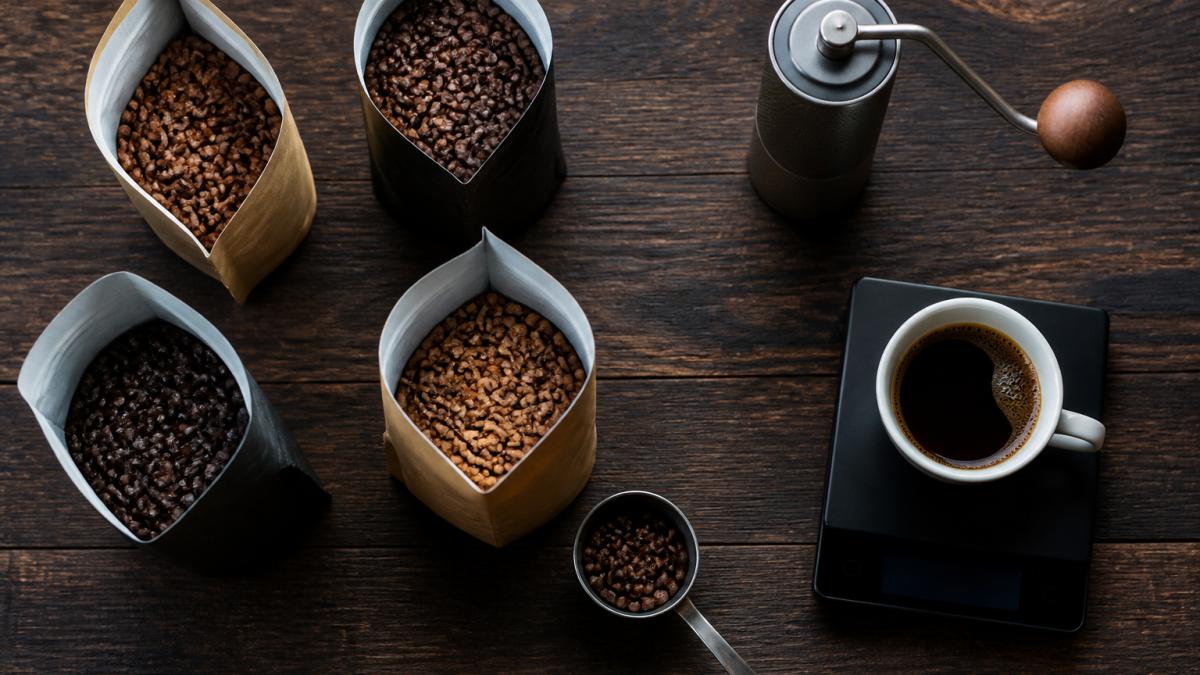
Each bundle ships as whole bean, 100% Arabica, in 300g bags, so you can compare roast levels without also comparing bag sizes or bean quality.

Where Each Bundle Wins
The Global Coffee Collection suits drinkers who want to taste across origins before settling on a favorite.
If you already know your preference, the single-roast bundles narrow the field. The Light Roast Bundle leans bright and fruit-forward, with origins like Ethiopia Yirgacheffe and Costa Rica Finca Lum.
The Medium Roast and Medium-Dark Roast bundles sit in the middle, where most households land. Medium roasts handle drip, pour-over, and French press without demanding a specific method, which is why we recommend starting there if you are unsure.
Direct Trade Coffee Sourcing: What the Label Actually Means
"Direct trade" has no single legal definition the way certified organic does under the Safe Food for Canadians Regulations, and no federal agency audits the claim the way the Canadian Food Inspection Agency audits organic. It is a claim made by roasters and platforms, not a regulated category, so the burden of verification falls on you.
"Direct trade," "fair trade," and "organic" are not the same claim. Fair trade is a certification with third-party auditing against a published standard. Organic is a regulated production claim enforced by the Canadian Food Inspection Agency for anything sold domestically.
A Practical Verification Standard You Can Apply
Treat direct trade as a three-tier claim, and sort any platform into the tier its own website supports.
- Tier 1, named and documented. The platform names specific farms or cooperatives, publishes the region and harvest window, and links to origin documentation, cupping scores, or certification records. You can trace a bag back to a place and a season.
- Tier 2, named but thin. The platform names farms or regions but publishes no supporting documentation, no relationship length, and no pricing mechanism. The claim is plausible but unverifiable.
- Tier 3, regional language only. The platform says "ethically sourced" or "direct from farmers" without naming a single producer. Treat this as marketing until proven otherwise.
Tier 1 platforms are a minority; a common pattern is a strong origin story on the product page and nothing behind it.
How to Verify Farmer Relationships and Producer Compensation
Ask five questions before you commit to any platform, the first three about the relationship, the last two about money.
- Does the platform name specific farms or cooperatives, or does it use vague regional language?
- Does it state how long it has worked with each producer, in years or harvests?
- Does it publish certifications, cupping scores, or origin documentation you can actually read?
- Does it explain how pricing reaches the producer, whether through a fixed premium above the commodity benchmark, a direct contract price, or a cooperative payout?
- Does it disclose payment timing, such as whether producers are paid on delivery or on export?
If a platform answers all five, it is doing more than most; if it answers none, treat the direct trade label as marketing until proven otherwise.
For our Sumatra G1, we hold organic certification and publish it because customers asked. That is the standard we would hold any platform to, and the standard you should apply before you spend on a bundle.
The Best Coffee Subscription for Variety: Rotating Origins and Roast Profiles
The best coffee subscription for variety rotates origins and roast levels on a predictable schedule, so you taste genuinely different coffees rather than the same base blend in new packaging.
A rotating selection works well for drinkers who get bored with a single profile, and for households where two people prefer different roast levels.
If variety is your priority, look at how many distinct origins a platform offers and whether it lets you steer the rotation. Some subscriptions let you set roast preferences; others send whatever is next.
How to Choose a Coffee Subscription That Fits Your Routine
Choosing a subscription comes down to four variables: roast preference, volume, delivery frequency, and flexibility.
Start with volume. A 300g bag makes roughly 16 to 20 cups depending on brew method and dose, about a week and a half at two cups a day.
Global Coffee Collection | 6 Bags →
Then match roast level to method. Light roasts reward pour-over and drip, where acidity and fruit notes come through.
Finally, check flexibility: you want a platform that lets you pause, skip, or adjust without a penalty. If you travel or drink coffee irregularly, that matters more than the coffee itself.
Coffee Subscription Delivery Frequency and Freshness Timing
Delivery frequency should match how fast you actually consume coffee, not how often you wish you did. Most drinkers overestimate consumption and end up with a cabinet full of aging beans. Order less, more often, if the platform allows it.
Freshness timing is the other half. Coffee tastes best in the weeks after it is packaged, and whole bean holds up far better than pre-ground.
This is why we ship whole bean rather than ground: grinding just before brewing preserves the aromatics that make a light roast worth drinking.

Platform Versus Roaster: Which Type of Direct Trade Coffee Club Fits You
A platform aggregates coffee from multiple sources and ships it under one subscription. A third model, the producer-direct marketplace, connects buyers to importers or cooperatives.
Platforms win on breadth: access to many roasters without managing multiple accounts, with variety built in.
We source, package, and ship, so when a customer asks how the Sumatra was sourced, we can answer directly.
Producer-direct marketplaces are the shortest chain of all, but they usually sell green coffee in larger lots, which suits trade buyers more than a household brewing two cups a day.
Comparing Platforms on Equivalent Terms
Bag size is the single biggest reason platform comparisons mislead. A 250g bag and a 340g bag are not comparable until you divide by weight.
A simple method: take the bag price, add the shipping you actually pay, divide by the bag weight in grams, then multiply by 300. That gives a cost per standard 300g bag, the unit most bundles use. Do the same for every platform on your shortlist and the ranking usually changes.
Operational Details That Decide the Experience
Sourcing claims get the attention, but practical terms decide whether a subscription survives past month three. Compare these across any platform you are considering:
- Minimum order. Some platforms require a multi-bag commitment; others ship single bags. A minimum that exceeds your monthly consumption guarantees stale coffee.
- Shipping regions and cost. Confirm the platform ships to your province and whether shipping is included or added at checkout. Remote regions often carry surcharges that erase a low sticker price.
- Delivery cadence and skip policy. Look for weekly, biweekly, or monthly options and whether you can skip, pause, or push a shipment without a penalty.
- Payment terms. One-time purchase versus recurring billing, and whether you can cancel online without contacting support.
- Fulfillment reliability. Check whether the platform publishes dispatch windows and how it handles a lost or delayed shipment.
- Returns and support. A damaged-bag policy and a reachable support channel matter more than a loyalty program.
Business and Wholesale Buying
Most comparison articles assume a household buyer. If you are buying for a cafe, office, or retail shelf, the questions change. Trade buyers typically need case quantities, consistent lot availability across a season, invoicing terms rather than card checkout, and a named contact for reorders. A roaster-led supplier can usually commit to a repeatable lot; an aggregator platform may not, because its lineup rotates. Ask any platform three things before a wholesale conversation: can you hold a lot for a season, what are your payment terms, and what is your lead time on a reorder.
Which Model Fits You
Neither model is inherently better. If you want maximum variety and do not care who handled the beans, a platform works. If you want to know exactly where your beans came from and who handled them, a roaster-led club is the shorter path. If you are buying at trade volume, prioritize lot consistency and payment terms over catalog size.
Frequently Asked Questions
What is a direct trade coffee platform?
A direct trade coffee platform is a service that sells coffee sourced through relationships between the seller and the producers, rather than through open commodity markets. Platforms differ in how much they publish about those relationships, which farms they work with, and how often the lineup rotates. When comparing direct trade coffee options, look for named origins, published farm connections, and clear sourcing statements you can verify, not just a logo on the bag.
Which coffee subscription offers the most variety?
Variety comes down to how many distinct origins and roast levels a service carries at once. Bundles that group several origins together give you the widest spread in a single order. For example, a six-origin collection covers multiple growing regions in one shipment, while a four-bag roast-level bundle lets you compare light or dark profiles side by side. Check whether the lineup rotates, since a fixed selection limits long-term variety.
How do I compare direct trade coffee subscriptions?
Start with four checks: sourcing transparency (are origins and farm relationships named?), roast freshness (is there a roast date on the bag?), delivery frequency (can you pause or skip?), and cost per bag. Weigh the number of origins per order against how fast you drink coffee, so bags do not sit past their best window. Comparing on these points gives you a like-for-like view instead of marketing claims.
How often do coffee subscriptions deliver?
Delivery frequency should match your brewing volume. A 300g bag typically lasts one to two weeks for a daily single-cup brewer, so a monthly delivery of several bags suits lighter drinkers while heavier households may want more frequent shipments. Look for a service that lets you pause or skip months when you travel, and confirm how close the roast date sits to the ship date before committing to a cadence.
Can I choose the coffees in a coffee subscription?
Some services let you pick individual origins, while others ship a curated bundle. Bundles grouped by roast level are useful if you already know your flavor preferences, since you can pick light for bright, fruity notes or dark for deeper, richer cups. If you want to explore, a multi-origin collection gives you several regions in one order, and you can narrow your choices on the next purchase.


