
Table of Contents
- Why Fresh Ethiopian Coffee Beans Stand Out
- 1. Yirgacheffe Ethiopia | Medium Roast
- 2. Limu Ethiopia | Light Roast
- 3. Guji Ethiopia | Medium Roast
- Single Origin vs Blend Coffee Beans for Cold Brew
- How to Store Coffee Beans for Maximum Freshness
- Best Brewing Methods for Light Roast Coffee
- What to Know Before You Order
Last Updated: August 25, 2026
Why Fresh Ethiopian Coffee Beans Stand Out
Fresh Ethiopian coffee beans represent some of the most sought-after specialty coffee in the world, prized for their distinctive flavor profiles and rich heritage. When you buy fresh ethiopian coffee beans online, you're accessing beans that capture Ethiopia's high-altitude terroirs and centuries-old cultivation traditions. The brightness, complexity, and natural sweetness set them apart from commodity coffees.
Beans grown at elevations between 1,500 and 2,200 meters develop complex sugars and acids, resulting in the floral notes, citrus undertones, and berry sweetness that characterize the best Ethiopian coffees (peer-reviewed research). The washed and natural process methods used in different regions produce dramatically different flavor outcomes.
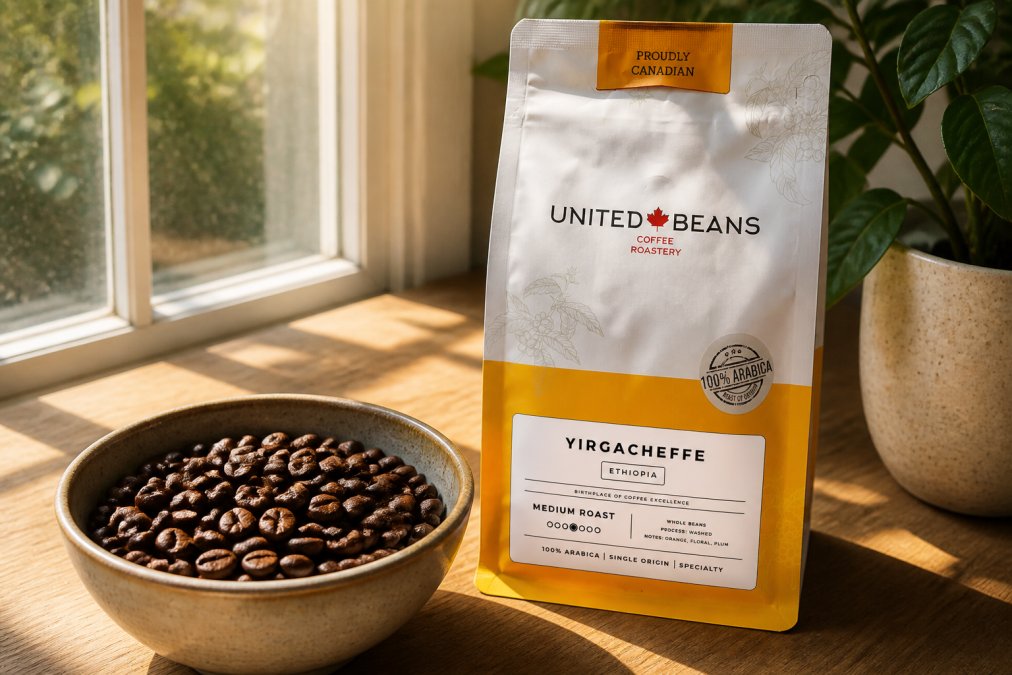
Specialty sellers like Gilded Grind stock Ethiopian beans roasted to order, ensuring peak freshness. Beans reach optimal flavor between 5 and 30 days after roasting, a window that online ordering preserves far better than retail shelf stock (peer-reviewed research).
Direct trade relationships between roasters and Ethiopian farmers ensure better prices for producers and traceability for consumers. This transparency, combined with organic certification options, appeals to those who view their daily coffee ritual as an extension of their values.
1. Yirgacheffe Ethiopia | Medium Roast
The Yirgacheffe region produces some of Ethiopia's most celebrated coffee. Gilded Grind's medium roast at $19.00 per bag captures the balance between preserving natural brightness and developing deeper body. The 100% Arabica beans deliver delicate jasmine and rose-like floral notes, bright orange zest acidity, and natural berry sweetness.
Medium roasting preserves Yirgacheffe's signature floral characteristics while adding subtle chocolate and caramel undertones. The acidity remains vibrant without becoming sharp, and the body develops enough structure to stand up to various brewing methods.
Shipped promptly from Toronto, these whole beans arrive within days of roasting at peak flavor development. The organic certification and UBCR designation confirm quality standards and ethical sourcing. For anyone new to Ethiopian coffee, Yirgacheffe Ethiopia Medium Roast is the natural entry point.

The floral profile suits morning rituals where you want to savor complexity. The brightness cuts through milk beautifully, while the natural sweetness means you'll rarely need to add sugar.
2. Limu Ethiopia | Light Roast
Light roast coffee preserves more of the bean's origin characteristics than any other roasting profile. Limu Ethiopia Light Roast from Gilded Grind at $18.00 per bag offers bright, floral, and green tea notes that reveal the terroir's high altitude and unique processing methods.

The Limu region produces beans with distinctive characteristics that fall between Yirgacheffe's fruity brightness and Harrar's wine-forward profiles. Light roasting emphasizes these regional differences, allowing natural acidity and complex sugars to shine. The cup is cleaner and more transparent about what the coffee actually is.
With the roast date clearly marked, these organic, UBCR-designated beans allow you to track the optimal brewing window. Light roast coffee requires slightly more precision in brewing but rewards you with a cup that tastes fundamentally different from standard coffee.
The green tea notes appeal to those transitioning from tea to coffee or finding dark roasts too heavy. This coffee pairs exceptionally well with pastries and breakfast foods because its delicate body doesn't overwhelm lighter flavors.
3. Guji Ethiopia | Medium Roast
Guji represents Ethiopia's newer coffee frontier, a region that gained international recognition only in the last decade. Gilded Grind's Guji Ethiopia Medium Roast at $19.00 demonstrates why this region deserves attention. The 100% Arabica beans deliver juicy, fruit-forward notes of peach and citrus, balanced with a silky body, black tea finish, and delicate floral aromatics.

Medium roasting preserves Guji's signature juiciness while the peach and citrus notes come through clearly without the sharpness of light roasts. The black tea finish adds sophistication and length to the aftertaste.
Many Guji coffees undergo natural processing, where the fruit remains on the bean during drying, creating the fruit-forward profile. Gilded Grind's commitment to sourcing from specific farms ensures consistency and traceability.
This coffee performs well in pour-over, French press, and espresso, adapting to different brewing methods while maintaining its character. The floral aromatics become more pronounced in lighter brewing methods, while the black tea finish becomes more prominent in immersion brewing.
Single Origin vs Blend Coffee Beans for Cold Brew
Single-origin coffee preserves the distinct characteristics of a specific region, while blend coffee combines beans from multiple origins to create a more balanced, consistent cup.
For cold brew specifically, single-origin Ethiopian coffee offers distinct advantages. Cold brewing extracts coffee slowly over 12-24 hours, emphasizing sweetness and muting acidity. Ethiopian single-origin beans like Yirgacheffe, Limu, and Guji maintain their regional character through this process. The natural sweetness becomes more pronounced, while floral and fruity notes persist without the brightness that might seem sharp in hot coffee.
Blend coffees for cold brew typically aim for consistency and a specific flavor target. However, if you're buying fresh ethiopian coffee beans online specifically for cold brew, choosing single-origin gives you more control over the final cup and allows you to experience what Ethiopian coffee actually offers.
One bag of fresh Ethiopian single-origin beans yields more distinct cold brew cups than the same volume of blend coffee, where individual origins become harder to distinguish.
| Brewing Method | Single-Origin Ethiopian | Blend Coffee |
|---|---|---|
| Cold Brew (12-24 hours) | Sweetness and origin character amplified | Balanced, consistent profile |
| Pour-Over (3-4 minutes) | Regional character fully expressed | Smooth, predictable cup |
| French Press (4 minutes) | Bold, fruity, complex | Well-rounded, forgiving |
| Espresso (25-30 seconds) | Bright acidity, concentrated flavors | Balanced, syrupy body |
How to Store Coffee Beans for Maximum Freshness
Coffee beans begin to deteriorate the moment they're roasted. Oxygen, light, heat, and moisture are the four enemies of coffee freshness. To maintain the brightness and complexity that make fresh ethiopian coffee beans worth buying online, storage requires deliberate attention.
The ideal storage container is airtight, opaque, and kept in a cool location. Glass jars with rubber seals or specialized coffee storage containers with one-way valves work well. The one-way valve allows CO2 to escape while preventing oxygen from entering. Avoid clear containers, which expose beans to light degradation, and avoid storing beans in the original bag unless it has a one-way valve.
Temperature consistency matters more than absolute temperature. Coffee stored at a steady 15-20 degrees Celsius remains fresher longer than coffee stored at room temperature with fluctuations. Many home brewers store beans in a cool cupboard or pantry rather than the refrigerator or freezer, which can introduce moisture condensation.
The timeline for optimal freshness is approximately 5 to 30 days after roasting. Beans reach peak flavor around day 7-10 as the roasting process settles. After day 30, beans begin to lose brightness and complexity. For single-origin Ethiopian coffees, using beans within the first 3-4 weeks of roasting is essential.
Grinding beans immediately before brewing preserves freshness far better than storing pre-ground coffee. A whole bean that's 6 weeks old will taste fresher than ground coffee that's 1 week old.
Best Brewing Methods for Light Roast Coffee
Light roast Ethiopian coffee requires brewing methods that highlight brightness and clarity. Different methods extract different compounds, and light roasts reward precision and attention.
Pour-over brewing is the gold standard for light roast coffee because it allows complete control over water temperature, contact time, and extraction. Using water at 90-96°C and brewing for 3-4 minutes with a medium-fine grind extracts bright acidity and floral notes without over-extracting into bitterness (peer-reviewed research). Methods like Chemex, V60, or Melitta drippers all work well.
AeroPress brewing offers similar advantages with more forgiving technique. The immersion-and-pressure method extracts quickly (1-2 minutes), minimizing over-extraction while preserving delicate characteristics. For those brewing light roast for the first time, AeroPress provides more margin for error than pour-over while still producing excellent results.
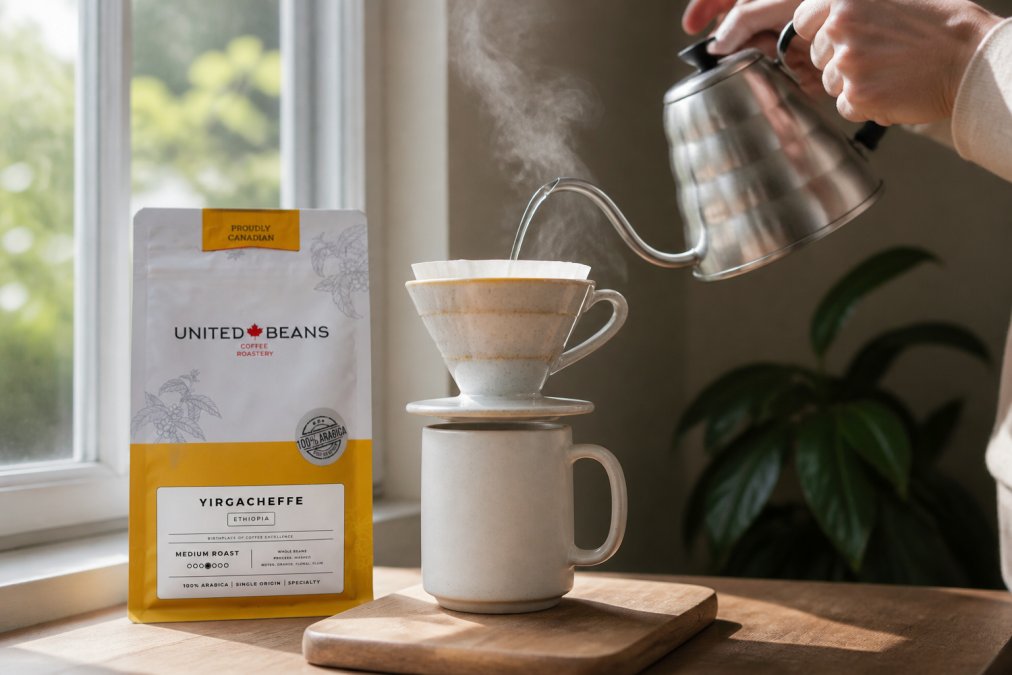
French press works for light roast but requires restraint. The immersion method and metal filter mean the cup will have more body and oil content, which can mute the brightness that makes light roast special. Use a coarser grind, brew for exactly 4 minutes, and decant immediately after pressing.
Espresso brewing with light roast demands precision because the high pressure and short contact time can easily under-extract. Light roast beans require slightly higher temperatures and longer contact times than darker roasts. Skilled espresso brewers can produce exceptional shots from light roast Ethiopian coffee.
Water quality affects light roast brewing more noticeably than dark roast. Use filtered water if possible, aiming for water that's neither too soft nor too hard. Water temperature should be precise; light roast extraction is sensitive to temperature variations.
What to Know Before You Order
Ordering fresh ethiopian coffee beans online requires understanding several practical considerations. The roast date is non-negotiable information; any reputable roaster will clearly display when beans were roasted. Gilded Grind includes this information prominently. Beans roasted within the last 2-3 weeks will be at peak flavor; beans roasted more than 6 weeks ago have begun to fade.
Shipping logistics matter more than many online shoppers realize. Coffee is perishable, and transit time affects freshness. Gilded Grind's Toronto-based fulfillment means Canadian orders arrive quickly, preserving the narrow window of optimal freshness.
Packaging design affects freshness preservation during shipping and storage. Look for bags with one-way valves, which allow CO2 to escape while preventing oxygen from entering. Gilded Grind uses this standard packaging, giving you a container that functions as proper storage once the beans arrive.
Subscription versus one-time purchase represents a choice between convenience and flexibility. Subscriptions ensure you never run out while maintaining optimal freshness, but require commitment. One-time purchases offer flexibility to experiment without obligation.
Brewing equipment quality affects your ability to express what fresh beans offer. A basic pour-over dripper ($10-15), kettle with temperature control ($25-40), and burr grinder ($30-50) are sufficient to brew excellent coffee. Investing in a decent grinder is most important because grinding consistency directly affects extraction.
Most home brewers achieve good results within their first few brewing sessions by following basic guidelines: use fresh beans, grind immediately before brewing, use filtered water at the right temperature, and brew for the appropriate time. Gilded Grind's product descriptions include brewing recommendations specific to each coffee.
| Consideration | Impact on Quality | Action |
|---|---|---|
| Roast date | Flavor complexity and brightness | Check date before ordering; use within 30 days |
| Shipping speed | Freshness upon arrival | Choose roasters with fast fulfillment |
| Packaging type | Freshness during storage | Look for one-way valve bags |
| Water quality | Extraction and taste | Use filtered water for brewing |
| Grind consistency | Extraction evenness | Invest in a burr grinder |
| Brewing method | Flavor expression | Match method to roast level |
| Storage conditions | Longevity of freshness | Store in cool, dark, airtight container |
Ordering fresh ethiopian coffee beans online transforms your daily coffee ritual from routine to intentional. The difference between grocery store coffee and specialty single-origin beans is immediately apparent in brightness, complexity, and the satisfaction of knowing exactly where your coffee comes from. Gilded Grind's curated selection of Ethiopian coffees, from the floral delicacy of Yirgacheffe to the fruit-forward character of Guji, offers genuine variety for those ready to explore what coffee can be. Start with the roast profile that appeals to you, invest in basic brewing equipment, and approach your first cup with attention. That's when you'll understand why fresh ethiopian coffee beans have become the choice for those who view coffee as a moment worth savoring.
Frequently Asked Questions
Q: How can you tell if Ethiopian coffee beans are truly fresh?
A: Fresh Ethiopian coffee beans should have a roast date printed on the bag, ideally within the last two weeks. The beans themselves should feel dry and crack slightly when bent, never soft or oily. Smell the bag before brewing: fresh beans release a vibrant, aromatic fragrance. Once opened, store in an airtight container away from light and heat. If beans taste flat or bitter, they've likely lost freshness and should be replaced.
Q: What is the best brewing method to highlight the floral notes of Ethiopian coffee?
A: Pour-over and AeroPress methods work best for light roast Ethiopian beans like Limu, as they allow precise water temperature control (90-96°C) and shorter contact time, preserving delicate floral and citrus notes. French press tends to over-extract and can muddy these subtle flavors. For medium roasts like Yirgacheffe, both pour-over and espresso highlight the jasmine and berry notes beautifully. Avoid boiling water, which burns the beans and destroys complexity.
Q: Should I buy single origin or blended Ethiopian coffee beans?
A: Single-origin Ethiopian beans like Yirgacheffe, Limu, and Guji offer distinct flavor profiles tied to their region and altitude, ideal for cold brew if you want clarity and brightness. Blends combine beans from multiple origins for balanced, consistent flavor, which some prefer for everyday drinking. For cold brew specifically, single-origin light roasts extract cleaner, more defined notes over 12-24 hours, while blends may taste muddled. Choose single-origin if you want to taste the terroir; choose blends for reliable, familiar flavor.
Q: Are there organic and fair-trade certifications to look for when buying Ethiopian coffee?
A: Yes. Look for USDA organic certification, which confirms the beans were grown without synthetic pesticides or fertilizers. Fair Trade certification ensures farmers received a fair price and worked in safe conditions. Direct Trade labels indicate the roaster worked directly with farmers, often paying above-market rates. Gilded Grind's Ethiopian selections are sourced with ethical practices in mind. Check product pages for specific certifications and transparency about sourcing to verify farmers were treated fairly.
This article was written using GrandRanker


