
Table of Contents
- What Makes Coffee Ethically Sourced
- How to Identify Ethical Coffee Certifications
- Benefits of Single Origin Coffee Beans
- Fair Trade Coffee Brands in Canada
- Understanding Supply Chain Transparency and Traceability
- Sustainable Packaging and Carbon Footprint Considerations
- How to Brew and Store Ethically Sourced Beans
- Brewing Methods and Storage Comparison
- Frequently Asked Questions
Last Updated: September 2, 2026
What Makes Coffee Ethically Sourced
Ethically sourced coffee beans are grown and traded in ways that prioritize fair compensation for farmers, environmental stewardship, and transparent supply chain practices. The coffee industry has historically concentrated profit at the retail end while leaving smallholder farmers in developing regions with minimal income.
When you purchase ethically sourced coffee beans, you're supporting agricultural systems where farmers receive living wages, workers have safe conditions, and land management practices preserve biodiversity. What separates genuine ethical sourcing from greenwashing is transparency. Reputable roasters publish detailed information about their supply chains, including the cooperatives or estates they work with, the certifications they hold, and how much of the retail price reaches the farmer.
How to Identify Ethical Coffee Certifications
Navigating certification labels requires understanding which ones carry real weight. Not all certifications are created equal, and some carry more rigorous standards than others.
Fair Trade Certification
Fair Trade certification guarantees that farmers receive a minimum floor price for their beans, regardless of market fluctuations, plus an additional premium for community development projects. This model directly addresses the income volatility that has plagued coffee farmers for decades.
The Fair Trade system works through cooperative structures, where smallholder farmers pool resources and negotiate collectively with buyers. This collective bargaining power prevents individual farmers from being exploited by large intermediaries. When you buy Fair Trade coffee, you know that a portion of your purchase supports education, healthcare, or infrastructure in coffee-growing regions.
Organic and Direct Trade Labels
Organic certification ensures that coffee is grown without synthetic pesticides, herbicides, or fertilizers. For coffee farmers, organic cultivation protects soil health and reduces exposure to harmful chemicals. Organic coffee often tastes cleaner because the farming methods preserve the natural flavor compounds in the beans.
Direct Trade represents a newer approach that bypasses traditional middlemen entirely. Instead of selling through cooperatives or exporters, farmers sell directly to roasters. This model can result in higher payments to farmers because there are fewer intermediaries taking a cut. However, Direct Trade lacks a single governing body, so standards vary.
The key distinction: organic certification verifies farming methods, while Fair Trade and Direct Trade focus on economic relationships. The most ethically complete beans carry multiple certifications, confirming both sustainable agriculture and fair compensation.
Benefits of Single Origin Coffee Beans
Single-origin coffee beans come from a specific geographic region, farm, or cooperative, unlike blended coffees that combine beans from multiple origins. This geographic specificity creates a direct connection between the coffee drinker and the place where the beans grew.
Single-origin beans showcase terroir, the environmental factors that shape flavor. Just as wine from different regions tastes distinct, coffee from Ethiopia tastes fundamentally different from coffee from Colombia or Indonesia. Elevation, rainfall, soil composition, and local processing traditions all influence the final cup.
For home brewers, single-origin coffees offer superior flavor clarity compared to blends. Blended coffees are often designed to create consistency across batches, which sometimes means sacrificing the distinctive characteristics that make specialty coffee worth seeking. Single-origin beans let you experience the nuance and complexity that specialty roasters spend months developing.
Ethically sourced single-origin beans also strengthen the connection between your purchase and specific farming communities. When you buy from a particular region, you're supporting farmers who practice specific agricultural methods. This direct link makes ethical sourcing tangible rather than abstract.
Fair Trade Coffee Brands in Canada
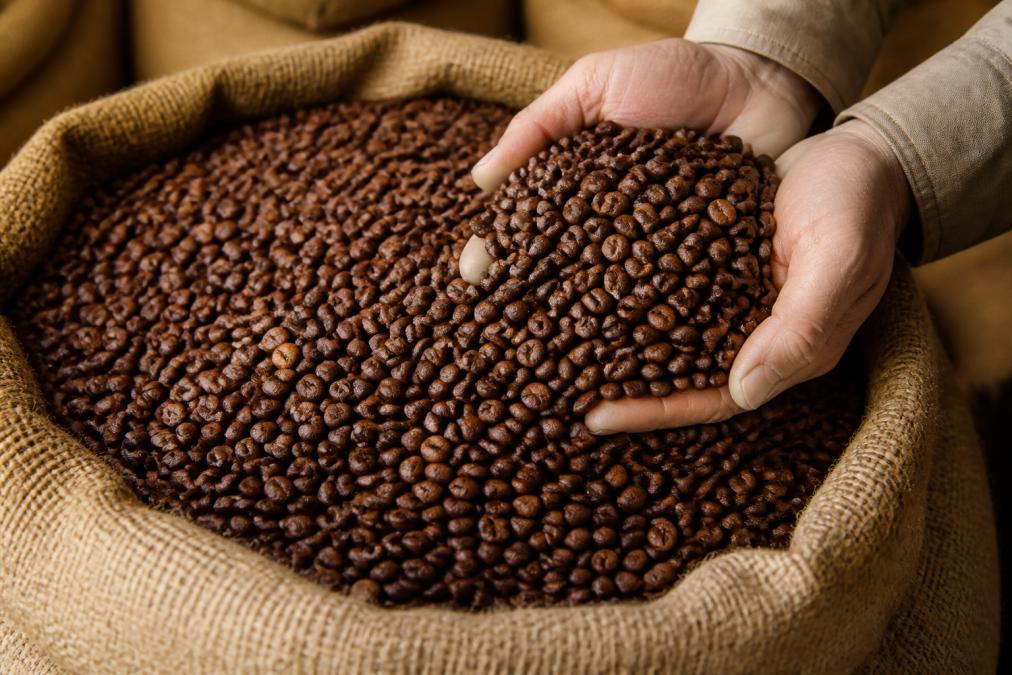
Choosing Fair Trade coffee brands means identifying roasters who prioritize transparency and direct relationships with farming cooperatives. The best Fair Trade coffee retailers publish their sourcing details, explain their pricing, and communicate why they've chosen specific origins.
Gilded Grind offers ethically sourced selections including Peru Cajamarca FTO, a medium-dark roast that combines Fair Trade certification with organic standards, ensuring both ethical economics and sustainable agriculture. The beans are shipped quickly to preserve distinctive flavor notes.


Our Sumatra G1 USDA dark roast represents another ethical choice through organic certification. The USDA organic certification verifies that these Indonesian beans were grown without synthetic inputs, protecting both farmer health and environmental integrity. The wet-hulling process traditional to Sumatra creates the syrupy body and dark chocolate notes that make this origin distinctive.
For those exploring Ethiopian coffees, our Yirgacheffe Ethiopia medium roast offers accessible specialty coffee. These 100% Arabica beans showcase the bright floral and citrus characteristics that make Ethiopian coffees beloved by specialty coffee enthusiasts.

The advantage of choosing established retailers like Gilded Grind is that we've already completed the sourcing vetting process. Rather than evaluating certifications yourself, you benefit from our direct relationships with cooperatives and our commitment to transparency. We publish information about where each bean originates, how it's processed, and what certifications it holds.
Understanding Supply Chain Transparency and Traceability
Supply chain transparency means being able to trace your coffee from the farm where it grew through the cooperative that processed it, the exporter that shipped it, the roaster that developed its flavor, and finally to your cup. Each step in this journey affects the final product's quality and the farmer's compensation.
True traceability requires roasters to maintain detailed records and share them openly. The best ethical coffee retailers can tell you the specific cooperative or farm, the elevation where beans grew, the harvest date, the processing method, and the exact price paid to farmers. This level of detail separates genuine ethical sourcing from vague claims about "supporting farmers."
According to research on coffee supply chain transparency, consumers increasingly demand proof that their purchases benefit farming communities. Roasters who provide this information build trust and justify premium pricing through verifiable impact rather than marketing language.
When evaluating a coffee retailer's transparency, look for published sourcing information on product pages, named cooperatives or farms, certification details with verification links, and pricing breakdowns showing how much reaches farmers. Gilded Grind provides this information for each origin we offer, recognizing that ethical sourcing only means something when it's verifiable.
Sustainable Packaging and Carbon Footprint Considerations
The environmental impact of ethically sourced coffee extends beyond farming practices into how beans are packaged and shipped. A coffee that's grown sustainably but arrives in excessive plastic packaging or via high-emission shipping methods doesn't fully deliver on ethical promises.
Sustainable packaging starts with materials that minimize environmental harm. Paper and compostable materials are preferable to plastic, though they require careful design to maintain freshness. Coffee's greatest enemy is oxygen exposure, so sustainable packaging must balance environmental responsibility with the practical need to preserve flavor and aroma.
Carbon footprint calculations for coffee include farming practices, processing methods, transportation distance, packaging materials, and shipping methods. Beans shipped by air have a dramatically higher carbon footprint than those shipped by sea. Ethically minded roasters prioritize sea freight and consolidate shipments to reduce emissions per unit.
According to environmental impact analysis from the International Coffee Organization, sustainable agriculture practices in coffee farming can reduce carbon emissions by 30-40% compared to conventional methods. When combined with responsible packaging and shipping, the total environmental footprint of ethically sourced coffee becomes genuinely minimal.
How to Brew and Store Ethically Sourced Beans

Brewing ethically sourced coffee properly ensures that the care invested in ethical sourcing translates into an excellent cup. The brewing method you choose should match the roast profile and highlight the beans' distinctive characteristics.
For lighter roasts like Yirgacheffe Ethiopia, pour-over brewing methods excel at extracting the delicate floral and citrus notes. The controlled water temperature and slower extraction of pour-over equipment preserve brightness without bitterness. Grind the beans just before brewing, use water between 90-96°C, and brew for 3-4 minutes.
Medium-dark roasts like Peru Cajamarca FTO work beautifully in French press, which allows the beans' heavier body and stone fruit sweetness to shine. French press brewing extracts oils that highlight chocolate and honey notes. Use a coarser grind, steep for 4 minutes, and press gently to avoid over-extraction.
Dark roasts like Sumatra G1 suit espresso machines and Moka pots, where the syrupy body and dark chocolate notes become the star. The higher pressure of espresso extraction emphasizes the roast's depth without emphasizing acidity that might overwhelm lighter roasts.
Storage directly impacts how long your ethically sourced coffee maintains its flavor. Whole beans stay fresh longest when stored in an airtight container away from direct sunlight, heat, and humidity. A cool pantry or cabinet is ideal; avoid refrigerators, which introduce moisture, and freezers, which can damage bean structure. Whole beans maintain peak flavor for 2-4 weeks after being roasted. Ground coffee oxidizes faster, so grind only what you'll use within a few days.
Brewing Methods and Storage Comparison
| Brewing Method | Grind Size | Water Temperature | Brew Time | Best For |
|---|---|---|---|---|
| Pour Over | Medium | 90-96°C | 3-4 minutes | Light roasts, floral notes |
| French Press | Coarse | 90-96°C | 4 minutes | Medium-dark roasts, body |
| Espresso | Fine | 90-96°C | 25-30 seconds | Dark roasts, intensity |
| Moka Pot | Medium-fine | 90-96°C | 5-10 minutes | Dark roasts, convenience |
Ethically sourced coffee beans represent a meaningful choice for coffee enthusiasts who value both quality and impact. When you purchase from retailers like Gilded Grind who prioritize Fair Trade certification, organic standards, supply chain transparency, and sustainable practices, you're supporting farming communities while enjoying exceptional flavor. Our curated collection demonstrates that ethical sourcing and premium taste aren't competing priorities. Fair Trade certification standards confirm that our commitment to farmer compensation is verifiable, not marketing language. Explore our collection and experience how ethical choices enhance every cup.
Frequently Asked Questions
Q: What certifications should I look for when buying ethically sourced coffee beans?
A: Look for Fair Trade Certified, which ensures farmers receive fair compensation and work in safe conditions. Organic certification confirms beans are grown without synthetic pesticides. Direct Trade labels indicate direct relationships between roasters and farmers, often with transparent pricing. Third-party verification through bodies like Rainforest Alliance adds credibility. When shopping online, reputable retailers display these certifications clearly on product pages, allowing you to verify claims before purchasing.
Q: How do single origin coffee beans differ from blends in terms of ethical sourcing?
A: Single origin beans come from one specific region or farm, making traceability easier and allowing you to support specific farming communities. This transparency helps verify fair compensation and sustainable practices directly. Blends combine beans from multiple origins, which can obscure supply chain details and make it harder to confirm ethical standards across all sources. For conscientious buyers, single origin options like [Peru Cajamarca FTO](https://gildedgrind.com/products/peru-cajamarca-fto-medium-dark) or [Yirgacheffe Ethiopia](https://gildedgrind.com/products/medium-roast-whole-beans-ethiopian-yirgacheffe) offer clearer accountability and a direct connection to the farmers growing your coffee.
Q: What is the difference between Fair Trade and Direct Trade coffee?
A: Fair Trade Certified coffee meets international standards for worker rights, environmental protection, and fair pricing, verified by third-party auditors. Direct Trade involves roasters buying directly from farmers at negotiated prices, often higher than Fair Trade minimums, but without third-party oversight. Both support ethical practices; Fair Trade provides standardized protections across many farms, while Direct Trade typically offers stronger relationships and transparency with individual producers. Many specialty roasters use both models depending on their sourcing strategy.
Q: How can I verify if a coffee brand is truly ethically sourced?
A: Check the product page for specific certifications like Fair Trade, organic, or Direct Trade labels. Reputable online retailers publish detailed sourcing information, including farm names, regions, and elevation. Look for tasting notes and cupping scores, which indicate specialty-grade beans from quality-focused producers. Contact the retailer directly with questions about farming practices or supply chain transparency. Brands that openly share their sourcing story and farmer relationships demonstrate genuine commitment to ethical practices.
Q: Are there environmental benefits to buying ethically sourced coffee beans?
A: Yes. Ethical sourcing typically involves sustainable agriculture practices like shade-grown methods that preserve biodiversity and reduce pesticide runoff. Fair Trade and organic certifications prohibit harmful chemicals, protecting soil health and water quality. Sustainable farming also builds climate resilience in coffee-growing regions vulnerable to environmental changes. Additionally, supporting direct relationships and fair compensation encourages farmers to invest in long-term land stewardship rather than exploitative short-term practices that degrade ecosystems.
This article was written using GrandRanker


