
Table of Contents
- Why the Roast Date Matters When You Tell if Coffee is Fresh
- Visual Inspection: What Fresh Coffee Beans Look Like
- The Coffee Bloom Test: Your Most Reliable Freshness Indicator
- Aroma and Taste: Detecting Freshness Through Your Senses
- How Long Do Coffee Beans Last and Signs They've Gone Stale
- How to Store Coffee Beans to Maintain Maximum Freshness
- Troubleshooting Freshness Issues Across Brewing Methods
- Conclusion: Putting Freshness Knowledge Into Practice
Last Updated: August 26, 2026
Why the Roast Date Matters When You Tell if Coffee is Fresh
The roast date is your single most important indicator of coffee freshness. Unlike "best by" dates on grocery packages, the roast date tells you exactly when beans were roasted, and from that moment, a countdown begins.
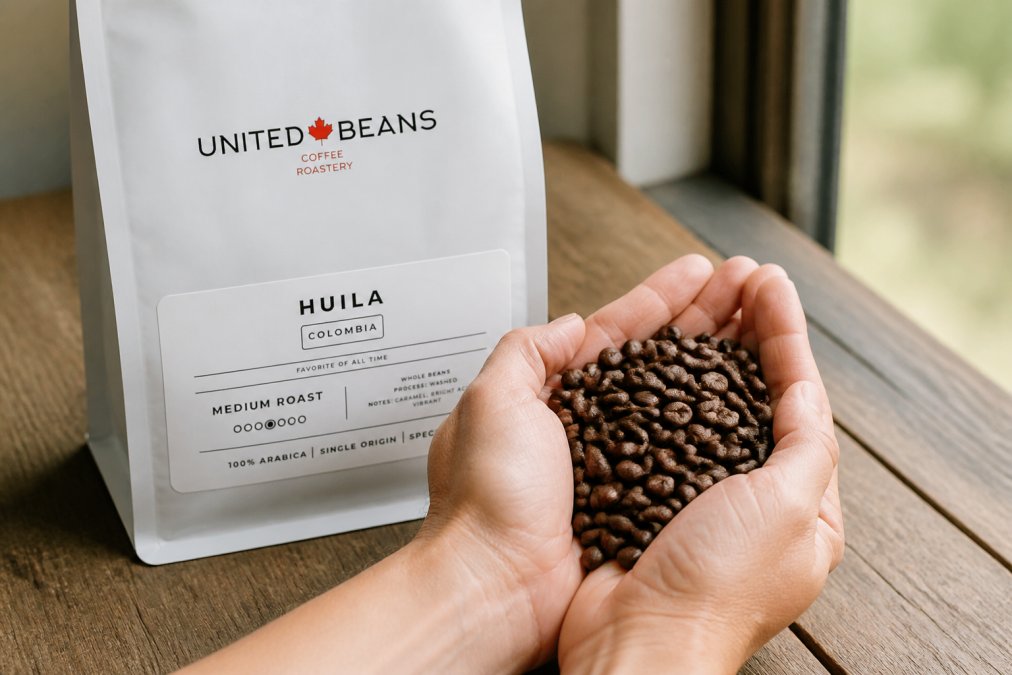
Fresh coffee beans undergo degassing, where carbon dioxide trapped inside escapes over time. This CO2 release is essential for proper extraction during brewing. A bean roasted three weeks ago has lost most of its degassing potential, while one roasted three days ago is still actively releasing CO2, creating the bloom, that crucial visual and aromatic indicator during brewing.
Immediately after roasting, beans reach peak complexity as sugars caramelize, oils rise to the surface, and flavor compounds become most vibrant. Within 5-7 days, beans reach an ideal brewing window (peer-reviewed research). After about two weeks, oxidation accelerates and the flavor profile flattens noticeably.
When evaluating freshness, always ask: when was this roasted? If the roaster doesn't display this information prominently, that's a red flag. Every Gilded Grind bag carries the exact roast date so you know precisely what you're working with. Look for beans roasted within the last 14 days for optimal freshness, though specialty coffee enthusiasts often prefer beans between 5-10 days post-roast for the best balance of degassing and flavor development.
Visual Inspection: What Fresh Coffee Beans Look Like
Fresh coffee beans have a distinctive appearance. The most obvious marker is surface oil. Light roasts may show minimal oiling, but medium and dark roasts should display a subtle sheen across the bean surface. This oil indicates the roasting process fully developed the bean's internal structure.
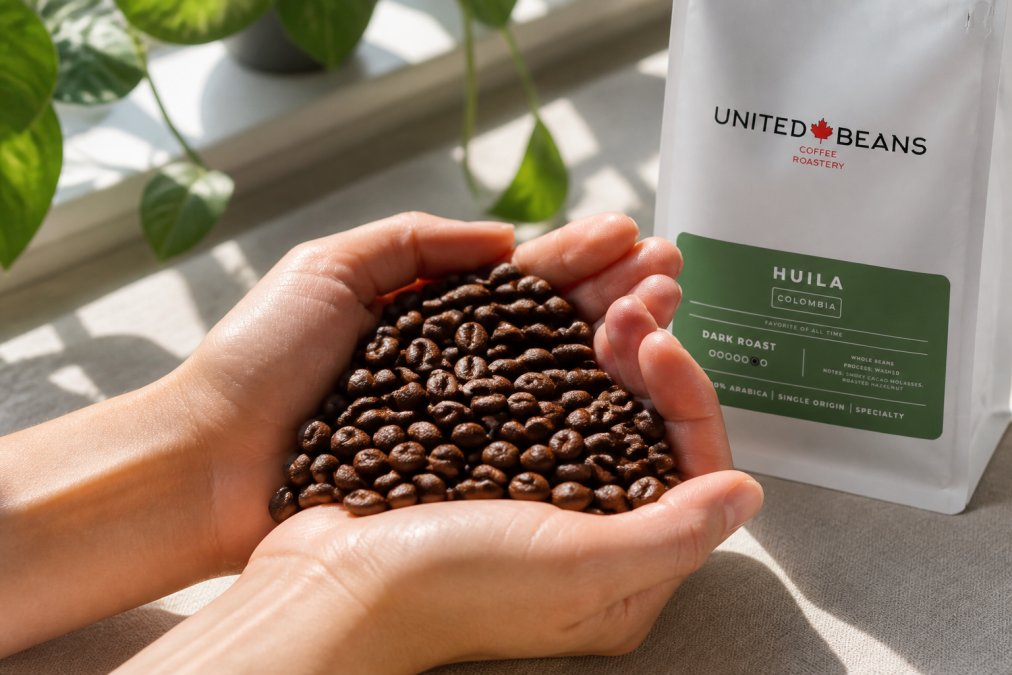
The color should be uniform and vibrant, rich, deep tones whether that's the bright mahogany of a light roast or the dark chocolate of a dark roast. Stale beans look dull and grayish, as though dusted. Check for excessive cracks or shriveled appearance, which indicate poor roasting or age-related moisture loss. The bean should feel dense and solid, not hollow or papery.

When examining beans from a bundle like the Light Roast Coffee Bundle, you'll notice consistency across all origins. Each bean should have similar density and surface appearance within its roast level. Inconsistency suggests uneven roasting or mixed batches of different ages.
Hold beans up to natural light. Fresh beans show translucency at the edges with a solid, well-developed interior. Older beans look completely opaque and sometimes develop a whitish bloom on the surface, not the bloom that happens during brewing, but actual mold beginning to form. This indicates the beans have been exposed to humidity and degraded significantly.
The Coffee Bloom Test: Your Most Reliable Freshness Indicator
The bloom test is the single most reliable way to tell if coffee is fresh. It's the moment when hot water first contacts ground coffee, and the grounds visibly expand and bubble. This happens because CO2 trapped during roasting is suddenly released when exposed to heat and moisture.
A vigorous bloom indicates freshness. When you pour hot water over fresh grounds, you should see immediate bubbling and expansion, with grounds rising noticeably. This visual activity means the beans are still actively degassing, indicating they're within the ideal freshness window.
Stale coffee produces a weak or nearly invisible bloom. The grounds may barely move, or you might see only minimal bubbling around the edges. This flat response tells you most CO2 has already escaped through natural aging.
How to Perform the Bloom Test at Home
The bloom test requires no special equipment, just hot water, ground coffee, and a brewing vessel:
-
Grind your beans immediately before brewing. Use a medium-fine grind similar to pour-over or French press.
-
Heat water to 90-96°C. This temperature triggers immediate CO2 release without scorching the grounds.
-
Place grounds in your brewing vessel using your normal coffee-to-water ratio, typically one part coffee to 16 parts water.
-
Pour just enough hot water to saturate the grounds. Use about twice the weight of the grounds in water, for example, 60 grams of water for 30 grams of ground coffee.
-
Watch for 30-45 seconds. Fresh coffee will bubble and rise visibly. The grounds may form a dome as CO2 escapes.
-
Complete your brew according to your preferred method.
The bloom test works with any brewing method. Lighter roasts typically produce more visible blooms because they retain CO2 better. Darker roasts may show a slightly less dramatic bloom, but it should still be clearly visible and active.
What a Strong Bloom Tells You
A strong bloom indicates the beans are fresh enough that CO2 hasn't fully escaped, the roasting was done properly, and the beans have been stored in conditions that prevented premature CO2 loss. Beyond freshness, a strong bloom predicts extraction quality. When CO2 escapes during brewing, it creates channels through the coffee bed, allowing water to flow more evenly and extract more flavor compounds.
A bag from Gilded Grind's Dark Roast Coffee Bundle will show consistent, vigorous blooms across all origins if stored properly, because each bean was roasted recently and packaged to maintain freshness.

A weak bloom signals you're past the optimal freshness window. The coffee will still extract, but you'll likely notice flatter, less vibrant flavor than it should be.
Aroma and Taste: Detecting Freshness Through Your Senses
Your nose is as important as your eyes when learning how to tell if coffee is fresh. Fresh coffee has complex, inviting aroma that hints at origin and roast level. Fresh Ethiopia might smell bright and floral. Fresh Sumatra might smell earthy and full-bodied.
Stale coffee has noticeably flat aroma. The complexity collapses into a single, dull note. If you open a bag and the aroma doesn't make you want to brew immediately, the beans have aged past their prime.
Fresh coffee has clarity in taste. You can distinguish individual flavor notes, the sweetness, acidity, body, and aftertaste. Each element is distinct and balanced. Stale coffee tastes muted, with sweetness buried under a flat, sometimes slightly bitter or sour undertone indicating oxidation.
When you brew fresh beans, the first sip should feel vibrant on your palate. The acidity should be bright but balanced. The body should feel full and clean. The aftertaste should linger pleasantly with the flavor notes you identified in the aroma.
Stale coffee often tastes bitter or sour in unbalanced ways. You might notice a papery or cardboard-like note from oxidation. The aftertaste may be short or unpleasant, lacking the complexity that fresh coffee delivers.
If you're brewing from the Huila Colombia Duo, you should taste distinct differences between the two roasts. Both should feel fresh and clean. If either tastes flat or bitter, freshness has likely degraded.

How Long Do Coffee Beans Last and Signs They've Gone Stale
Whole beans remain at their best for approximately 2-4 weeks after roasting. This doesn't mean they become undrinkable after week four, but flavor complexity and vibrancy begin to decline noticeably.
The timeline breaks down roughly like this: Days 1-3 post-roast, the beans are still cooling and settling. Days 5-10, the beans reach their ideal brewing window. Days 10-14, the beans are still excellent but beginning gradual decline. Days 14-21, the beans are past their prime but still acceptable if stored well. Beyond 3 weeks, most coffee drinkers notice significant flatness in flavor.
Ground coffee deteriorates much faster. Within 15 minutes of grinding, you've lost significant aromatic compounds. Within an hour, ground coffee begins to oxidize noticeably. This is why grinding immediately before brewing is critical to freshness.
Signs that coffee has gone stale include flat, dull aroma with no complexity, minimal or no visible bloom, muted taste often with unbalanced bitter or sour undertone, darker or muddier brewed coffee color, and thin or papery mouthfeel instead of full and clean.
Rancid coffee, which differs from stale coffee, smells sharp and unpleasant, almost like nuts gone bad or old cooking oil. This happens when oils on the bean surface have oxidized significantly. Rancid coffee should not be brewed.
Actual shelf life depends heavily on storage conditions. Beans stored in an airtight container away from light and heat can maintain acceptable freshness for 3-4 weeks. Beans stored in open containers or in warm, humid environments may become stale within 1-2 weeks.
How to Store Coffee Beans to Maintain Maximum Freshness
Proper storage is the difference between coffee that stays fresh for a month and coffee that goes stale in two weeks. The enemies of freshness are oxygen, light, heat, and moisture. Your storage strategy must address all four.
The Role of Packaging and One-Way Valves
One-way valves on coffee bags allow CO2 to escape after roasting without allowing oxygen to enter. This is why specialty coffee comes in bags with these valves rather than open containers. The valve lets beans degas naturally during the first week or two post-roast, then seals to prevent oxygen infiltration.
Once you open a bag, the valve's protection is compromised. If you reseal by rolling or clipping, you're relying on that seal to keep oxygen out. Many coffee enthusiasts transfer beans to airtight containers specifically designed for coffee storage, often with one-way valves built in.
The bags Gilded Grind ships are designed to maintain freshness from roasting through your first brew. The bag is opaque, protecting beans from light. The one-way valve allows proper degassing. The seal maintains freshness if you keep the bag properly closed.
Temperature, Light, and Moisture Control
Store coffee in a cool, dark, dry place. The ideal temperature is between 10-21°C. Room temperature is acceptable, but avoid storing beans near heat sources like ovens, radiators, or direct sunlight. Heat accelerates oxidation and causes beans to lose volatile flavor compounds more quickly.
Light is destructive to freshness. UV rays break down flavor and aroma compounds. This is why coffee is never sold in clear containers. If you transfer beans to a storage container, choose one that's opaque or dark-tinted.
Moisture is equally damaging. Coffee is hygroscopic, meaning it absorbs moisture from the air. High humidity causes beans to absorb water, accelerating oxidation and potentially leading to mold growth. If you live in a humid climate, store beans in an airtight container with a desiccant packet, ensuring the desiccant doesn't directly contact the beans.
Avoid storing coffee in the refrigerator or freezer unless planning long-term storage of several months. When you remove cold beans and expose them to room temperature air, condensation forms on the surface, introducing moisture. If you do freeze beans, use an airtight, freezer-safe container and allow beans to come to room temperature before opening.
Troubleshooting Freshness Issues Across Brewing Methods
Different brewing methods reveal freshness issues in different ways.
Pour-over brewing is most sensitive to freshness issues. The bloom test is visible and obvious. If you see minimal bloom, the beans are past their prime. If the brew tastes flat or lacks expected complexity, stale beans are the likely culprit.
French press brewing is more forgiving of stale beans because the immersion method extracts more aggressively. However, you'll still notice a difference. Fresh beans produce a cleaner, brighter cup. Stale beans taste muddier and more bitter with less clarity.
Espresso machines are extremely sensitive to bean age. Fresh beans produce thick, golden crema. Stale beans produce thin, weak crema or none at all. The shot will taste sour or bitter, lacking balance and sweetness.
AeroPress brewing sits in the middle. The combination of immersion and pressure makes it relatively forgiving, but you'll still notice differences in clarity and brightness between fresh and stale beans.
If you're consistently getting disappointing results across multiple brewing methods, bean freshness or storage is likely the issue. Check the roast date and verify your storage conditions. If you've been storing beans in a warm kitchen or in direct sunlight, move them to a cool, dark cupboard and brew again.
Freshness is the foundation of great coffee. You can have perfectly dialed-in equipment, excellent technique, and premium beans, but if those beans have lost their vitality, the result will always be disappointing. Learning to recognize the signs of freshness transforms your brewing from guesswork into informed decision-making.
At Gilded Grind, every bean is shipped fresh, with the roast date clearly marked on every bag. The Global Coffee Collection gives you six distinct origins, each at peak freshness, so you can experience the full range of what specialty coffee offers. Start with the bloom test, trust your senses, and you'll develop an intuition for freshness that makes every cup better.
Frequently Asked Questions
Q: Does the roast date on the bag matter when checking if coffee is fresh?
A: Yes, the roast date is your most reliable indicator of freshness. Coffee begins degassing CO2 immediately after roasting, and this process peaks within the first 2-4 weeks. Beans roasted within the last 2-4 weeks will produce a strong bloom and vibrant flavor profile. After 4 weeks, the bloom weakens and flavor notes flatten. Always check the roast date before purchase, it's more important than the best-by date.
Q: What is the coffee bloom test and how do you perform it?
A: The bloom test is the most reliable way to tell if coffee is fresh. Pour a small amount of hot water (around 90-95°C) over your ground coffee and watch for 30-45 seconds. Fresh beans release a visible bloom of bubbles and foam as CO2 escapes. A vigorous bloom indicates beans roasted within the last 2-4 weeks. Stale beans produce little to no bloom. This test works best with medium-fine grounds and is essential for pour-over or Chemex brewing.
Q: How long do coffee beans last before they go stale?
A: Whole beans stay fresh for 2-4 weeks after roasting when stored properly in an airtight container away from light, heat, and moisture. Ground coffee degrades faster, consume within 1 week of grinding for optimal flavor. Freezing whole beans in an airtight, moisture-proof container can extend freshness to 3-4 months, though thawing can introduce condensation. The roast date matters more than the purchase date; prioritize recently roasted beans over old stock.
Q: How can you tell if coffee beans have gone rancid or stale by smell?
A: Fresh coffee has a bright, complex aroma with origin-specific notes, floral for Ethiopian Yirgacheffe, chocolatey for dark roasts. Stale beans smell flat, musty, or papery, with no vibrant character. Rancid coffee has a sharp, unpleasant odor similar to old nuts or cardboard. If the aroma is weak or unpleasant, the beans have lost their acidity and sweetness. Trust your nose: if it doesn't smell inviting, the flavor profile will be disappointing.
This article was written using GrandRanker


