
Table of Contents
- Light vs Dark Roast: The Core Flavor Differences
- How the Roasting Process Creates Distinct Flavor Profiles
- Coffee Acidity Levels by Roast: What You're Tasting
- Caffeine Content in Light vs Dark Roast
- Best Brewing Methods for Light Roast Coffee
- Which Roast Works Best for Milk-Based Drinks
- Storage and Shelf-Life: Light vs Dark Roast Longevity
- Choosing Your Roast: A Practical Guide
Last Updated: August 22, 2026
Light vs Dark Roast: The Core Flavor Differences
The difference between light vs dark roast begins long before the coffee reaches your cup. During roasting, beans undergo chemical transformations that fundamentally alter their flavor profile, acidity, and body. Light roasts preserve the origin characteristics of the bean, those bright, floral, or fruity notes that reflect where the coffee was grown. Dark roasts develop deeper, more intense flavors through extended heat exposure, creating the bold, chocolatey, or smoky profiles many coffee lovers crave.
At Gilded Grind, we offer a curated selection of premium, nature-inspired coffee beans. The truth is more nuanced. A light roast isn't simply "less roasted", it's a deliberately different product with distinct characteristics that make it better suited to certain brewing methods and taste preferences.

The core difference comes down to how far the beans travel through the roasting stages. Light roasts are removed from heat around the first crack, when the bean's cellular structure begins to fracture audibly (peer-reviewed research). Dark roasts continue well past the second crack, allowing the Maillard reaction and caramelization to develop deeper, more complex compounds. This single timing decision cascades into differences in flavor, caffeine content, body, and even how the coffee behaves in your brewing vessel.
Understanding these differences isn't academic trivia, it directly affects whether you'll enjoy your morning cup or find yourself disappointed by a purchase that didn't match your expectations.
How the Roasting Process Creates Distinct Flavor Profiles
The roasting process is where coffee's flavor potential transforms into reality. When green coffee beans enter the roaster, they're dense, pale, and nearly flavorless. Heat triggers a cascade of chemical reactions that build the flavors you taste.
Light roasts spend approximately 10-12 minutes in the roaster, exiting around the first crack (peer-reviewed research). At this stage, the bean's origin characteristics, the terroir that defines Ethiopian, Costa Rican, or Guatemalan coffee, remain prominent. The acids that give light roasts their brightness haven't been broken down yet. Chlorogenic acid and other compounds that create fruity, floral, or tea-like notes are still intact. The bean's density remains relatively high, and the oils stay locked inside.
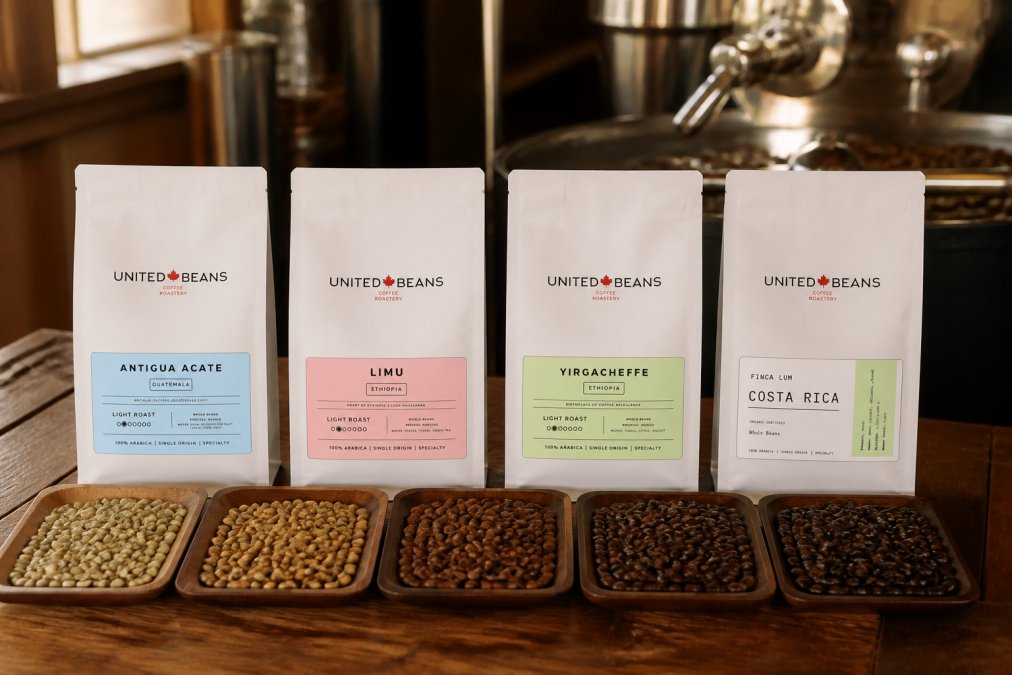
Dark roasts continue into the second crack, typically 13-15 minutes or longer (peer-reviewed research). By this point, the Maillard reaction, the same chemical process that browns bread or caramelizes sugar, has fully developed. The beans lose density, and oils migrate to the surface. Flavor compounds break down and recombine into new ones: smoky, chocolatey, nutty, or even bitter notes emerge. The origin characteristics fade into the background, replaced by the roast's own signature flavors.
The difference in body is equally dramatic. Light roasts feel crisp and tea-like on your palate. Dark roasts feel full, syrupy, and heavier. This isn't just perception, it's chemistry. The longer roasting time breaks down cell walls more thoroughly, increasing solubility. More of the bean dissolves into your brew, creating that fuller mouthfeel.
Coffee Acidity Levels by Roast: What You're Tasting
Acidity in coffee doesn't mean it tastes sour or unpleasant. It refers to bright, lively flavor notes, the qualities that make coffee taste crisp and alive. Light roasts have higher acidity than dark roasts because the roasting process breaks down the acids that create these bright characteristics.
Light roasts retain more chlorogenic acid and other compounds that contribute to perceived acidity. This is why light roasts often taste fruity, floral, or tea-like. The acidity isn't a flaw, it's a feature. For many specialty coffee enthusiasts, this brightness is exactly what they're seeking from a single-origin bean.
Dark roasts have lower acidity because the extended roasting time breaks down these compounds. The result feels smoother, heavier, and less "sharp" on your palate. Some people find this more approachable; others find it less interesting. Neither response is wrong, it depends entirely on your preference.
The practical implication: if you're sensitive to acidity or prefer a smoother coffee, dark roasts are typically the better choice. If you want to taste the distinct flavors of a specific origin, the brightness of an Ethiopian Yirgacheffe or the citrus notes of a Costa Rican bean, light roasts deliver that experience more clearly.

Caffeine Content in Light vs Dark Roast
A persistent myth claims that dark roasts contain less caffeine because they're roasted longer. The reality is more subtle. The caffeine content difference between light and dark roasts is minimal, often less than 5%, and depends more on bean density and brewing method than roast level.
During roasting, caffeine doesn't break down significantly until temperatures exceed what's typical for even the darkest roasts. What does change is the bean's density and how much of it dissolves during brewing. Light roasts remain denser, so a scoop of light roast beans contains slightly more caffeine by weight. Dark roasts expand and lose density, so the same volume of dark roast beans contains slightly less.
The difference is so small that it shouldn't influence your roast choice. If caffeine content matters to you, your brewing method, the water temperature, contact time, and brew type, has far more impact than whether you choose light or dark roast.
Best Brewing Methods for Light Roast Coffee
Light roasts shine in brewing methods that highlight their origin characteristics and bright acidity. Pour-over methods, like Chemex or V60, are ideal for light roasts because they allow precise control over water temperature and contact time. These methods extract the fruity and floral notes that light roasts are known for without over-extracting and creating bitterness.
Drip coffee makers work well for light roasts too, though they're less precise. The key is using water around 90-96°C and avoiding over-extraction. Light roasts can taste thin or under-extracted if the water isn't hot enough or the contact time is too short.
French press is generally not recommended for light roasts. The immersion method and longer contact time can over-extract the beans, emphasizing any harsh notes and muting the delicate origin flavors. Espresso is possible with light roasts but requires skill, dialing in the grind and pressure correctly is more challenging than with dark roasts.
The Gilded Grind Light Roast Coffee Bundle includes beans like Ethiopia Yirgacheffe and Costa Rica Finca that perform beautifully in pour-over methods. These single-origin beans express their terroir best when brewed with precision and care.
Which Roast Works Best for Milk-Based Drinks
Dark roasts dominate milk-based coffee drinks like lattes, cappuccinos, and flat whites. The reason is straightforward: milk masks subtle flavors. The bright, delicate notes that make light roasts special disappear when you add milk. Dark roasts' bold, chocolatey, and smoky flavors cut through the milk and remain distinctive.
Light roasts can work in milk drinks, but the results are often underwhelming. The origin characteristics that make the bean interesting get buried. You're left with a coffee-milk drink that tastes like any generic coffee.
Dark roasts were historically developed for milk-based drinks in European coffee culture. The roast level was intentionally pushed to create flavors strong enough to stand up to dairy. This isn't coincidence, it's the result of centuries of refinement.
If you're making espresso-based drinks at home, dark roasts are more forgiving. They're less prone to channeling and over-extraction, which makes dialing in easier. The Gilded Grind Dark Roast Coffee Bundle includes origins like Sumatra and El Salvador that deliver rich, milk-friendly profiles.

The practical takeaway: reserve light roasts for black coffee or milk-free brewing methods. Use dark roasts when milk is part of the equation.
Storage and Shelf-Life: Light vs Dark Roast Longevity
Coffee freshness matters more than roast level, but the two interact in subtle ways. Both light and dark roasts are best used within 2-4 weeks of roasting. After that window, both begin to lose vibrancy and develop stale flavors.
Light roasts can taste flat or muted if stored too long because the bright, delicate flavors fade first. The acidity and origin characteristics that define light roasts are the most volatile compounds. Dark roasts remain flavorful longer because their bolder, more stable compounds degrade more slowly.
Storage conditions matter equally for both. Keep beans in an airtight container away from heat, light, and moisture. Whole beans last longer than ground coffee, grinding increases surface area and accelerates oxidation. If you grind your beans, use them within a few days.
The oils that migrate to dark roast surfaces can turn rancid if stored improperly, so dark roasts actually require slightly more careful storage despite their longer flavor retention window. Light roasts, meanwhile, stay fresher longer if kept sealed and cool because they have less oil migration.
For maximum freshness, buy smaller quantities more frequently rather than stockpiling large amounts. A bag that's two weeks old will taste noticeably better than one that's two months old, regardless of roast level.
Choosing Your Roast: A Practical Guide
Choosing between light and dark roast comes down to three questions: What flavors appeal to you? How do you brew coffee? Do you add milk?
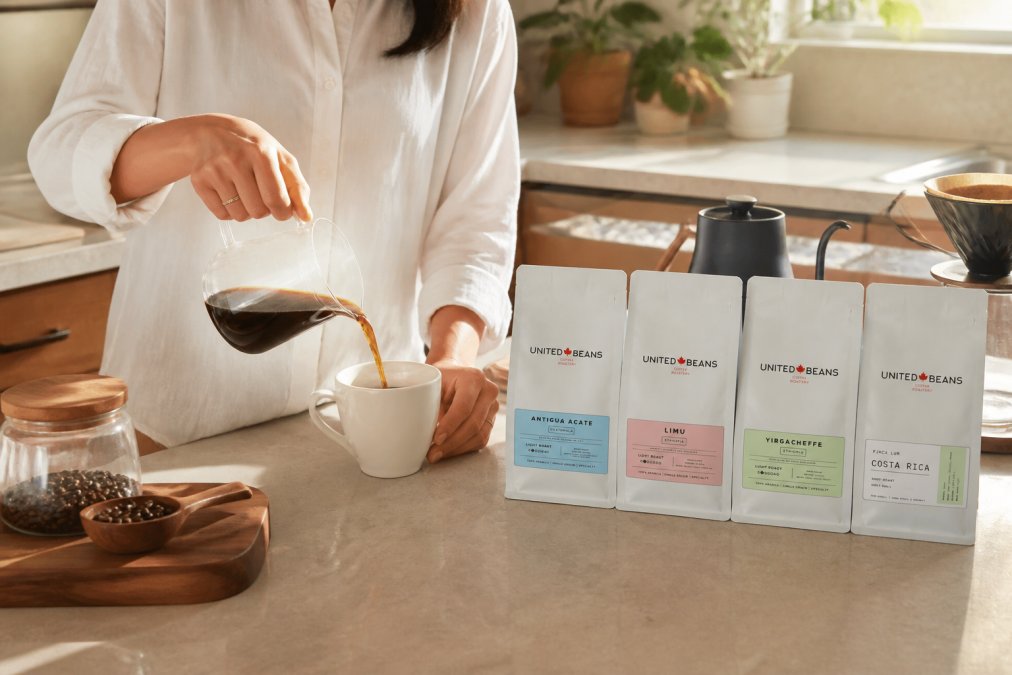
If you want to taste origin characteristics, the fruity notes of Ethiopian coffee or the balanced sweetness of Central American beans, light roasts are your choice. If you prefer bold, intense flavors and don't mind sacrificing origin distinctiveness, dark roasts deliver that consistently.
Your brewing method should influence your decision. Pour-over and Aeropress work beautifully with light roasts. Drip coffee makers and French press suit dark roasts better. Espresso can work with either, but dark roasts are more forgiving for beginners.
Milk-based drinks almost always call for dark roasts. The milk overwhelms light roast subtlety, so you're wasting the beans' potential. If you're exclusively making lattes or cappuccinos, dark roasts are the practical choice.
Consider starting with the Gilded Grind Light Roast Coffee Bundle or Dark Roast Coffee Bundle, depending on your preferences. Both bundles include four different origins roasted at the same level, giving you variety while maintaining consistency in roast profile. This approach lets you compare how different beans behave at the same roast level rather than confusing variables by switching roasts.
| Factor | Light Roast | Dark Roast |
|---|---|---|
| Flavor profile | Bright, fruity, floral, origin-focused | Bold, chocolatey, smoky, roast-focused |
| Acidity | Higher, crisp and lively | Lower, smooth and mellow |
| Body | Light, tea-like mouthfeel | Full, syrupy mouthfeel |
| Best brewing | Pour-over, Aeropress, drip | French press, drip, espresso |
| Milk drinks | Not recommended | Ideal |
| Freshness window | 2-4 weeks (bright notes fade first) | 2-4 weeks (bolder flavors persist longer) |
| Best for | Black coffee enthusiasts | Milk-based drink lovers |
Choosing between light and dark roast isn't about finding the objectively "better" option, it's about matching the roast to your brewing habits and flavor preferences. Light roasts reward precision and patience with bright, origin-driven flavors. Dark roasts deliver consistent boldness and cut through milk beautifully. The Gilded Grind collection includes both profiles at their best, crafted for moments worth savoring. Explore the Light Roast Coffee Bundle or Dark Roast Coffee Bundle to discover which profile resonates with your palate, and experience how freshly roasted beans transform your daily ritual.
Frequently Asked Questions
Q: Does light roast coffee have more caffeine than dark roast?
A: Light roast contains slightly more caffeine than dark roast, though the difference is minimal, roughly 3-5% more per serving. The longer roasting time in dark roasts causes some caffeine to break down. However, brew method and bean density matter more than roast level. If caffeine content is your priority, focus on bean origin and brew strength rather than roast selection alone.
Q: Which roast is less acidic?
A: Dark roast is less acidic than light roast. The extended roasting process breaks down chlorogenic acid, which creates the bright, sharp notes in light roasts. Dark roasts develop deeper, smoother flavors because the acids have been neutralized. If you have a sensitive stomach, dark roast is often the better choice, though individual bean origin also affects acidity levels significantly.
Q: What's the best brewing method for light roast coffee?
A: Light roasts shine in pour-over, drip, and AeroPress brewing. These methods highlight the bright, fruity, and floral tasting notes that define light roasts. Avoid over-extraction by using water at 90-96°C and brewing for 3-4 minutes. For espresso, light roasts work well but require precise tamping and timing. Avoid French press, which can muddy the delicate flavor profile.
Q: How does roasting affect the body and mouthfeel of coffee?
A: Light roasts have a lighter body with crisp, tea-like mouthfeel due to lower oil migration during roasting. Dark roasts develop a fuller, heavier body with syrupy mouthfeel because extended heat pushes oils to the bean surface. The caramelization and maillard reaction during dark roasting also create deeper, more complex flavors. Your preference depends on whether you enjoy bright clarity or rich intensity.
This article was written using GrandRanker


