
Table of Contents
- What Makes Ethiopian Yirgacheffe Unique
- The Terroir and High-Altitude Growing Conditions
- Washed vs. Natural Process Coffee in Yirgacheffe
- The Signature Flavor Profile
- How to Taste Coffee Notes in Your Cup
- Best Brewing Methods for Light Roast Coffee
- Sustainability and Fair Trade in Yirgacheffe Production
- Why Yirgacheffe Deserves a Place in Your Collection
Last Updated: August 21, 2026
What Makes Ethiopian Yirgacheffe Unique
Ethiopian Yirgacheffe coffee stands apart because of a rare combination of altitude, volcanic terroir, ancient heirloom varieties, and processing traditions refined over centuries. The convergence of geography, genetics, and craft produces a coffee with a distinctive sensory profile unavailable elsewhere. At Gilded Grind, we've curated our Ethiopian Yirgacheffe selection because it represents the pinnacle of what single-origin coffee can express: complexity, clarity, and character in every cup.
The region's elevation, soil composition, and climate create conditions other coffee-growing areas struggle to replicate. Unlike commercial regions replanted with modern cultivars optimized for yield, Yirgacheffe remains home to ancient coffee forests where heirloom varieties thrive. This genetic diversity translates directly into flavor; each lot carries nuances reflecting its specific microclimate and varietal makeup.
The Terroir and High-Altitude Growing Conditions
Terroir, the complete natural environment where coffee grows, defines Ethiopian Yirgacheffe more than almost any other single-origin coffee. The region sits at elevations between 1,700 and 2,200 meters, where thin air, cool temperatures, and intense sunlight slow the coffee cherry's ripening process (ico.org). This extended maturation allows sugars and acids to develop in complex balance, creating the brightness and clarity that defines the origin.
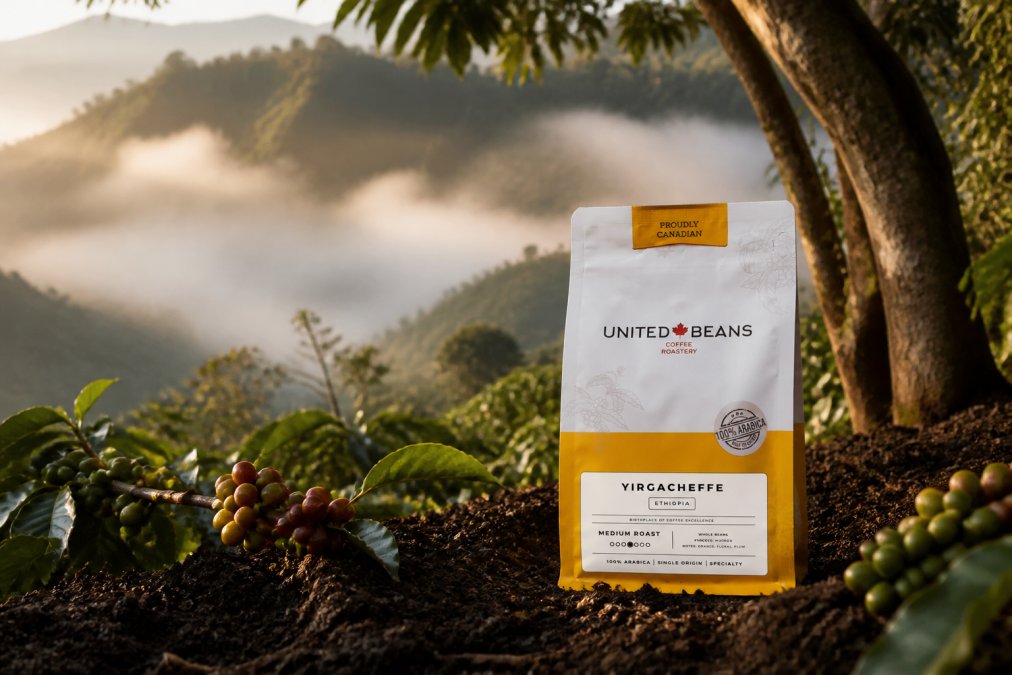
At lower elevations, cherries ripen quickly in warm conditions, producing heavier, less nuanced flavors. In Yirgacheffe's cool highlands, the ripening window extends, giving the plant more time to concentrate flavor compounds. The volcanic soil adds another layer, imparting subtle mineral characteristics that support the development of floral and citrus notes rather than overwhelming them.
Volcanic Soil and Its Impact on Flavor
The volcanic composition of Ethiopian soil provides essential minerals, potassium, magnesium, and phosphorus, that influence how flavors develop in the coffee cherry (peer-reviewed research). When you taste clarity and vibrancy in Yirgacheffe, you're experiencing soil chemistry working in concert with altitude and processing. The soil drains well while retaining moisture during dry seasons, allowing coffee plants to develop strong root systems that draw deep into mineral-rich layers and concentrate flavor compounds in the bean.
Heirloom Varieties and Genetic Diversity
Unlike regions where a single cultivar dominates, Yirgacheffe grows dozens of heirloom coffee varieties that have evolved naturally over centuries. These ancient plants carry genetic diversity that modern cultivars have lost through selective breeding for yield and disease resistance. Each variety expresses differently depending on altitude, microclimate, and processing method.
The most prized heirloom varieties include Typica, Bourbon, and local selections never formally classified. This genetic complexity means two lots from neighboring farms can taste distinctly different even when processed identically. Heirloom varieties tend to produce smaller yields than modern hybrids, which is why premium Yirgacheffe commands higher prices. Farmers accept lower productivity in exchange for superior flavor and the ability to maintain coffee forests that support local ecosystems.
Washed vs. Natural Process Coffee in Yirgacheffe
The washed vs. natural process distinction is critical to understanding Yirgacheffe's flavor range. The washed process removes the coffee cherry's fruit before drying, emphasizing the bean's inherent characteristics and producing the clean cup clarity Yirgacheffe is famous for. Floral notes, jasmine aromatics, and bright citrus acidity shine through without the weight of fruit sugars.
Natural process dries the entire cherry intact, allowing fruit sugars to infuse the bean and create a sweeter, fuller-bodied cup with berry notes, stone fruit sweetness, and heavier mouthfeel. Natural process also produces more variation between lots, as drying conditions and cherry ripeness directly influence the final flavor.
For home brewing, washed Yirgacheffe is generally easier to work with; the clean cup forgives minor brewing mistakes. Natural process requires more precise technique but rewards careful brewing with deeper complexity. Gilded Grind's Yirgacheffe Ethiopia | Medium uses the washed process, allowing the origin's signature floral and tea-like character to emerge clearly.

The Signature Flavor Profile
Ethiopian Yirgacheffe's unmistakable flavor signature, bright floral aromatics, delicate citrus acidity, and a light tea-like body, is so consistent across quality lots that experienced tasters can identify it blind. The flavor clarity comes from altitude and processing working together: high elevation slows ripening, allowing complex organic acids to develop, while washed processing removes the fruit layer, letting these acids and aromatics take center stage.
Floral and Tea-Like Characteristics
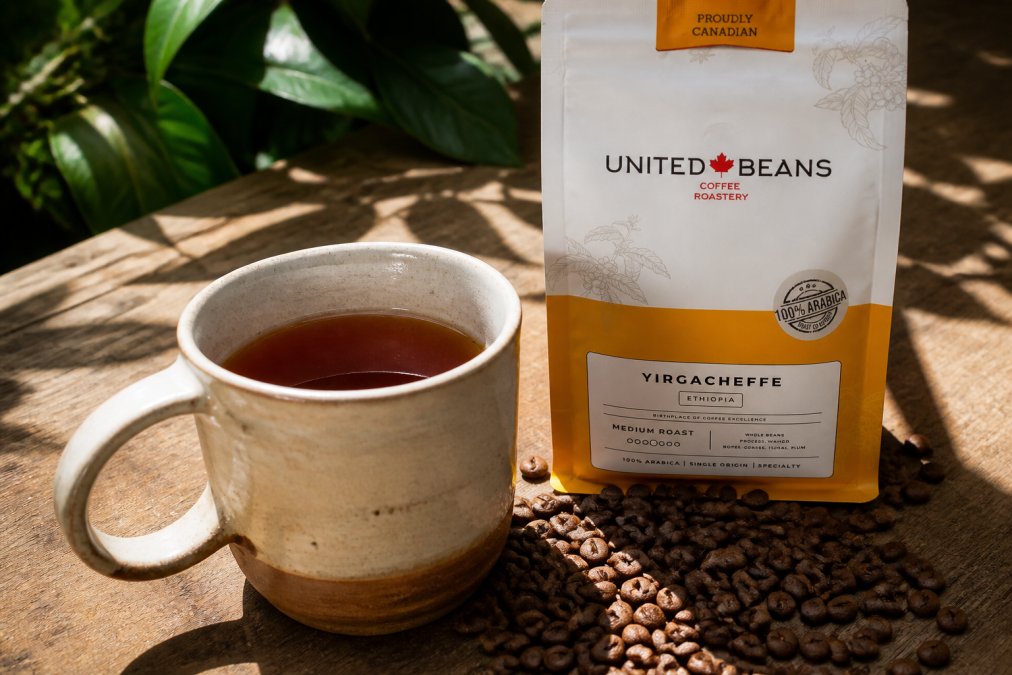
Floral notes in Ethiopian Yirgacheffe are a primary flavor component, not subtle undertones. Jasmine, bergamot, and sometimes honeysuckle aromatics emerge in the cup, creating a luxurious, complex sensory experience most pronounced in light roasts. The tea-like body reflects the bean's density and how acids and tannins interact, creating a light, clean palate feel rather than the heavy mouthfeel of coffees from Sumatra or Brazil.
This combination makes Yirgacheffe ideal for filter brewing methods that emphasize clarity. Pour-over, AeroPress, and Chemex all showcase these characteristics beautifully.
Citrus Acidity and Clean Cup Clarity
The acidity in quality Yirgacheffe is bright and clean, lemon zest, grapefruit, or bergamot rather than sour or sharp. This acidity creates liveliness and complexity in the cup. Clean cup clarity refers to the absence of off-flavors or defects, letting you taste the origin's inherent characteristics without interference. Yirgacheffe's washed processing and high-altitude growing conditions naturally produce clean cups.
The citrus acidity and clean cup work together to create flavor clarity: the ability to distinguish individual flavor notes rather than experiencing them as a blended whole. In Yirgacheffe, you might taste lemon in the top notes, jasmine florals in the mid-palate, and subtle stone fruit sweetness in the finish.
How to Taste Coffee Notes in Your Cup
Begin by smelling the dry grounds, which often reveals florals and volatile compounds. Add hot water and smell again as the coffee blooms; this second aroma is often more complex. Take a small sip while the coffee is still hot (around 65-70°C), slurping gently to aerate it across your palate. Notice the body, acidity, and any specific flavor notes.
As the coffee cools to around 50°C, new flavors often emerge and sweetness becomes more apparent. Many coffee professionals do formal cupping at this cooler temperature to taste without heat's masking effect.
To calibrate your palate for Yirgacheffe, taste the coffee alongside reference flavors: fresh jasmine flowers, bergamot tea, lemon zest, or high-quality green tea. These direct comparisons help anchor the flavor notes you're experiencing. Keep tasting notes as you try different lots, recording what you taste, how the coffee evolves as it cools, and which brewing method brought out the best flavors.
Best Brewing Methods for Light Roast Coffee
Light roasts of Ethiopian Yirgacheffe shine brightest in brewing methods that emphasize clarity. Pour-over methods, Chemex, V60, or Kalita Wave, are ideal because they allow precise control of water temperature, contact time, and flow rate, producing a clean, bright cup where floral and citrus notes are prominent.
AeroPress is another excellent choice, especially if you prefer slightly heavier body than traditional pour-over. The immersion brewing style often brings out more sweetness and complexity while maintaining clarity.
French press is generally not recommended for light roast Yirgacheffe, as the immersion method and metal filter create a heavier body that can mask delicate floral notes.
Brew Ratio and Water Chemistry
Brew ratio, the proportion of coffee to water, is your most powerful tool for dialing in the perfect cup. Most professionals recommend 1:15 to 1:18 (one part coffee to 15-18 parts water). For Yirgacheffe, start at 1:16 and adjust based on taste. If the coffee tastes thin or sour, increase to 1:15 (more coffee). If it tastes heavy or bitter, decrease to 1:17 or 1:18 (less coffee).
Water chemistry matters significantly. Yirgacheffe's delicate floral notes are best expressed in water with moderate mineral content, not distilled (which tastes flat) and not heavily mineralized (which masks subtlety). Water temperature should be 90-96°C for pour-over methods. Too cool (below 88°C) produces sour, under-extracted coffee; too hot (above 98°C) risks over-extraction, bringing out bitterness.
Grind size is equally important. For pour-over, use medium-fine grind similar to sea salt. For AeroPress, use slightly finer grind. If your coffee tastes sour, try a slightly finer grind or longer contact time. If it tastes bitter, try a coarser grind or shorter contact time.
Sustainability and Fair Trade in Yirgacheffe Production
Ethiopian coffee farming faces real sustainability challenges including climate variability and thin farmer margins. Fair trade certification and direct-trade relationships help by guaranteeing minimum prices and supporting sustainable farming practices. Fair trade premiums support school construction, water system improvements, and training in sustainable techniques.
Sustainability in Yirgacheffe also means protecting remaining coffee forests. Unlike many cleared and replanted regions, Yirgacheffe still has areas where coffee grows under shade trees in forest-like settings. This agroforestry approach supports biodiversity, protects soil, and sequesters carbon. Supporting producers who maintain these practices preserves both environmental and cultural heritage.
Research from the International Coffee Organization indicates that sustainable farming practices in Ethiopian coffee regions improve soil health and long-term productivity. Choosing coffees from producers committed to these practices invests in the origin's future.
Why Yirgacheffe Deserves a Place in Your Collection
Ethiopian Yirgacheffe represents the pinnacle of what single-origin coffee can express: a complete sensory story written in the language of terroir, genetics, and craft. The combination of high altitude, volcanic soil, heirloom varieties, and traditional processing creates a flavor profile unavailable from any other origin.
For home brewers and coffee enthusiasts, Yirgacheffe offers complexity that rewards attention and technique. The delicate balance of floral aromatics, citrus acidity, and tea-like body requires precision in brewing and intentional tasting, making it special precisely because it demands engagement.
The origin also represents a connection to a specific place and culture. When you brew Ethiopian Yirgacheffe, you're participating in a tradition extending back centuries, supporting farmers who maintain ancient coffee forests and heirloom varieties existing nowhere else on earth.
Gilded Grind's curated approach ensures you're getting Ethiopian Yirgacheffe selected for quality, freshness, and ethical production. Our Yirgacheffe Ethiopia | Medium roast brings out the origin's signature floral and citrus characteristics while maintaining enough body to feel substantial. Whether you're a seasoned enthusiast or discovering single-origin coffee for the first time, Yirgacheffe belongs in your collection as a benchmark for what excellent coffee can be.
Frequently Asked Questions
What flavor notes define a classic Yirgacheffe coffee?
Ethiopian Yirgacheffe is known for its distinctive floral and tea-like characteristics, with prominent notes of jasmine and bergamot. Most cups display bright citrus acidity, vibrant bouquet, and a clean cup clarity that sets them apart. The precise flavor profile depends on processing method: washed versions emphasize floral brightness, while natural process beans highlight fruity complexity. Light roasts preserve these delicate notes best, allowing the origin's terroir to shine through.
How does high altitude impact the quality of Ethiopian Yirgacheffe?
High altitude slows coffee cherry ripening, allowing beans to develop complex sugars and acids that create the distinctive flavor clarity Yirgacheffe is prized for. The volcanic soil at elevation provides mineral-rich nutrients that enhance acidity and aromatic compounds. Most Yirgacheffe grows between 1,700 and 2,200 meters, where these conditions create the conditions for exceptional cupping scores and vibrant acidity that define the origin's character.
What's the difference between washed and natural process Ethiopian Yirgacheffe?
Washed process Yirgacheffe removes the coffee cherry before drying, resulting in a clean cup with pronounced floral notes and bright citrus acidity. Natural process beans dry inside the cherry, producing a heavier mouthfeel, fruitier aftertaste, and more complex flavor development. Washed versions highlight tea-like body and clarity, while natural process emphasizes berry and fermented notes. Both showcase the origin's terroir, but processing method significantly shapes the final cup character and brewing experience.
Why should I choose Ethiopian Yirgacheffe over other single-origin coffees?
Ethiopian Yirgacheffe offers a unique combination of floral complexity, vibrant acidity, and tea-like refinement that few origins match. The heirloom varieties grown there, combined with volcanic soil and high-altitude terroir, create flavor clarity and aromatic depth that reward both casual brewers and enthusiasts. Whether you prefer washed or natural process, Yirgacheffe delivers sophisticated, nature-inspired character that transforms your daily ritual into a moment worth savoring.
For coffee lovers seeking moments worth savoring, Ethiopian Yirgacheffe delivers complexity, clarity, and character that elevate your daily ritual. Gilded Grind's carefully selected Yirgacheffe beans, roasted fresh and available in multiple profiles, bring the refined flavors of the highlands directly to your home. Explore our full collection and discover why this origin has captivated coffee professionals and enthusiasts for generations. SHOP ALL COLLECTION
This article was written using GrandRanker


