
Table of Contents
- What Is Sumatra G1 Coffee?
- The Giling Basah (Wet-Hulling) Process Explained
- Flavor Profile and Tasting Notes
- Best Brewing Methods for Sumatra Coffee
- Single Origin vs. Blend Coffee Beans for Cold Brew
- Storage and Freshness Metrics
- Sustainability and Fair Trade Certification
- Why Choose Sumatra G1 Over Other Indonesian Coffees
Last Updated: August 29, 2026
What Is Sumatra G1 Coffee?
Sumatra G1 coffee beans represent the pinnacle of Indonesian coffee production. The "G1" designation refers to Grade 1, the highest quality classification for coffee beans from the Indonesian island of Sumatra, based on cup quality, bean size, and defect count. At Gilded Grind, we've curated Sumatra G1 as a cornerstone of our collection because it delivers the complex, full-bodied character that serious coffee drinkers seek.

These are 100% Arabica beans grown in the volcanic highlands where altitude and soil composition create ideal conditions for coffee cultivation. The volcanic soil imparts mineral complexity and earthiness that you simply cannot find in lower-grade Indonesian coffees. What makes Sumatra G1 truly exceptional is not just where they grow, but how they're processed, a method that fundamentally transforms their flavor profile.
The Grade 1 Standard
The Grade 1 designation follows strict protocols: beans must score above 80 on the Specialty Coffee Association's cupping scale, contain fewer than 5 defects per 300-gram sample, and demonstrate uniform bean size. This means when you're purchasing Sumatra G1, you're buying beans that have passed rigorous quality control. Lower grades lack the clarity and complexity that define truly premium coffee.
Grade 1 beans produce cleaner extractions with more defined flavor notes. You'll taste the difference immediately compared to commodity-grade Indonesian coffee, with syrupy mouthfeel and dark chocolate undertones coming through with precision.
Single-Origin Arabica From the Highlands
Single-origin coffee means all beans come from one specific geographic region, in this case, Sumatra. The highland regions, particularly areas like Lintong and Ankola, sit between 1,200 and 1,600 meters elevation. At this altitude, coffee cherries develop slowly, allowing more complex sugars to accumulate in the bean.
Arabica represents roughly 60% of global coffee production and is most prized by specialty coffee enthusiasts. Arabica beans contain more lipids and sugars than Robusta counterparts, which translates to richer flavor, better aroma, and lower bitterness.
The Giling Basah (Wet-Hulling) Process Explained
Sumatra G1 coffee beans diverge dramatically from coffees processed using other methods. The Giling Basah process, also called wet-hulling, is unique to Indonesia and fundamentally shapes the flavor profile you experience.
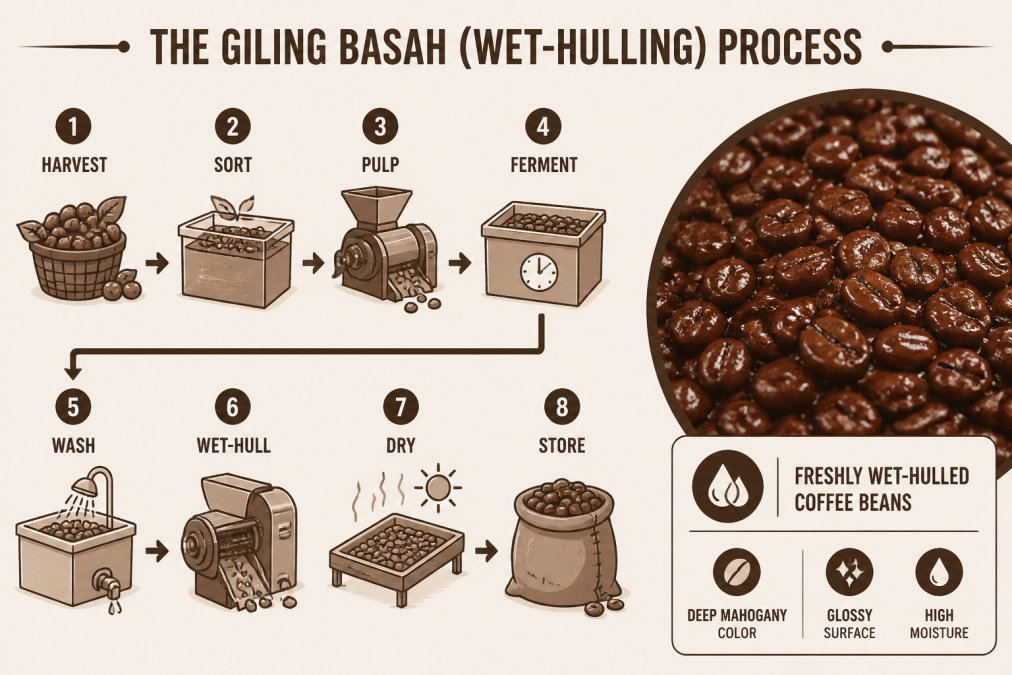
Most coffee-producing regions use the washed process: cherries are pulped, fermented, washed, and dried with the parchment layer intact. Sumatra does something entirely different. Farmers remove the fruit and much of the mucilage while the bean is still wet, then dry the bean with the parchment still on. The parchment is removed only after drying. This unconventional approach creates coffee with lower acidity and heavier body than washed coffees.
How Wet-Hulling Creates Depth and Body
The wet-hulling process creates unique chemical conditions inside the bean. By drying the coffee while the parchment layer remains intact, the bean absorbs more moisture and develops differently than washed coffees. This extended contact allows for different fermentation patterns, which build the complex, winey notes and spicy undertones characteristic of Sumatra G1.
The result is a cup with syrupy mouthfeel, that heavy, viscous texture on your palate. The low acidity that emerges from this process makes Sumatra G1 ideal for people who find highly acidic coffees harsh. The processing method also contributes to the earthy, cedar-like notes that define Sumatra's flavor profile, emphasizing depth, tobacco undertones, and cacao characteristics.
Flavor Profile and Tasting Notes
When you brew a cup of Sumatra G1 coffee beans, you're encountering one of coffee's most distinctive flavor expressions. The flavor profile is bold, complex, and unambiguous.
Dark Chocolate, Earthy, and Spicy Notes
The primary flavor notes center on dark chocolate, earth, and subtle spice. The dark chocolate note is rich and slightly bitter, reminiscent of cacao nibs. The earthiness brings to mind wet soil, forest floor, and mineral complexity. The spice element might include cinnamon, clove, or black pepper, depending on the specific lot and brewing method.
Cedar and tobacco notes emerge in the finish, lingering on your palate after you swallow. These secondary notes elevate Sumatra G1 above simpler coffees, offering chocolate, earth, spice, cedar, and tobacco in a complex, evolving sequence.
Low Acidity and Syrupy Mouthfeel
The low acidity of Sumatra G1 coffee beans is one of their defining characteristics. Acidity in coffee measures brightness and liveliness, but high acidity can feel sharp or aggressive to some palates. Sumatra's low acidity makes it gentler while maintaining full flavor complexity.
The syrupy mouthfeel is that heavy, viscous sensation on your tongue and palate, similar to the difference between skim milk and whole milk. This body comes directly from the Giling Basah processing method and the bean's natural oil content, creating coffee that feels substantial and luxurious.
Best Brewing Methods for Sumatra Coffee
Not all brewing methods are equal when it comes to extracting the best from Sumatra G1 coffee beans. The coffee's full body and low acidity mean certain methods showcase its strengths better than others.
French Press for Full Body
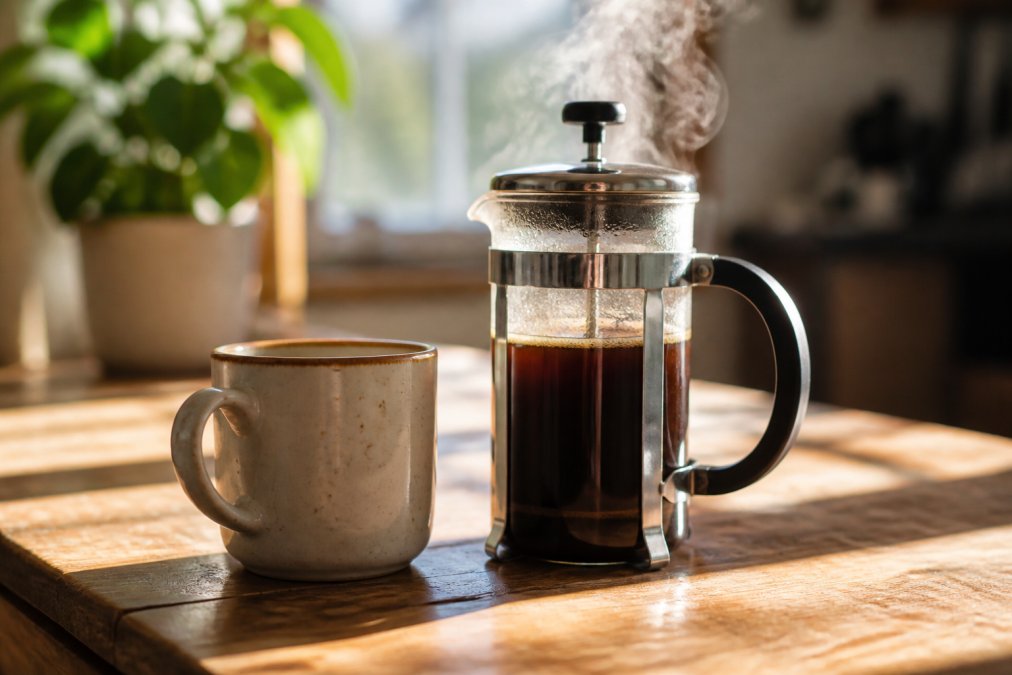
The French press is arguably the ideal brewing method for Sumatra G1 coffee beans. This immersion-based method allows the coffee's full body and oils to shine. The metal mesh filter doesn't trap oils the way paper filters do, so you get the complete sensory experience.
To brew: use a coarse grind, add coffee at roughly 1:15 coffee to water ratio, pour hot water just off boil (around 90-95°C), let it steep for 4 minutes, then press gently. The longer contact time extracts the earthy, spicy notes beautifully, maximizing the coffee's natural body without diluting the flavor.
Espresso and Drip Brewing
Espresso machines can produce exceptional shots of Sumatra G1. The coffee's low acidity means it can handle high pressure and heat without becoming unpleasantly bitter. Use a fine grind, pull shots between 25-30 seconds, and expect a thick crema with deep chocolate notes.
Drip brewing works well for Sumatra with a medium-fine grind and water around 92-95°C. Paper filters remove some oils, producing a cleaner cup than French press, but you'll still get excellent flavor from Sumatra G1 coffee beans.
Single Origin vs. Blend Coffee Beans for Cold Brew
The choice between single-origin and blended coffee for cold brew depends on your brewing goals and flavor preferences. Single-origin coffees like Sumatra G1 emphasize terroir and processing method, while blends typically aim for balance and consistency.
Sumatra G1 as a single-origin cold brew produces a smooth, chocolatey cup with pronounced body. The cold brewing process, steeping grounds in cold water for 12-24 hours, extracts less acid and more oils than hot brewing, which complements Sumatra's naturally low acidity. Blended coffees combine beans from multiple origins to create a more balanced, approachable flavor profile.
For cold brew specifically, single-origin Sumatra G1 shines because its natural body and low acidity translate beautifully into a smooth, concentrated cold brew concentrate.
Storage and Freshness Metrics
Keeping Sumatra G1 coffee beans fresh is straightforward once you understand what degrades coffee quality. The primary enemies are air, light, heat, and moisture.
Store your beans in an airtight container away from direct sunlight and heat. A pantry or cupboard is ideal; the refrigerator is not. Whole beans stay fresh for 2-3 weeks after roasting if stored properly. Ground coffee degrades faster; use it within 1 week of grinding.
Look for a roast date on your bag of Sumatra G1 coffee beans. Coffee improves slightly during the first 3-5 days after roasting, then begins a slow decline. Ideally, brew your coffee within 2-4 weeks of the roast date for the best flavor expression. Fresh Sumatra G1 should smell rich, earthy, and slightly sweet; stale coffee tastes flat and one-dimensional.
Sustainability and Fair Trade Certification
Fair trade certification ensures that farmers receive a minimum price for their beans, regardless of market fluctuations. Organic certification indicates the coffee was grown without synthetic pesticides or fertilizers, protecting both the environment and farming communities.
When you purchase Sumatra G1 coffee beans, look for certifications on the bag or product description. Common certifications include Fair Trade USA, Rainforest Alliance, and USDA Organic. At Gilded Grind, our Sumatra G1 carries USDA organic certification, reflecting genuine commitments to sustainable farming practices and farmer welfare.
Sustainability matters beyond ethics. Coffee farms that practice sustainable agriculture tend to produce higher-quality beans because they invest in soil health, shade-growing practices, and careful harvesting. The best coffee and the most ethical coffee often come from the same sources.
Why Choose Sumatra G1 Over Other Indonesian Coffees
Indonesia produces several grades and styles of coffee. Lower grades, Grade 2, Grade 3, Grade 4, are less expensive but contain more defects and produce less consistent cup quality. These grades are acceptable for everyday drinking but lack the complexity and clarity that define specialty coffee.
Sumatra G1 also differs from other Indonesian regions. Sulawesi coffee tends to be cleaner and brighter than Sumatra. Java coffee is often earthier but less complex. Flores offers good value but less pronounced character.
The choice comes down to what you value in coffee. If you want maximum complexity, distinctive terroir expression, and a full-bodied cup, Sumatra G1 is the clear choice. For coffee enthusiasts who view their daily ritual as a moment worth savoring, Sumatra G1 delivers the complexity, body, and distinctive flavor profile that justify the investment.
Our Sumatra G1 USDA Organic Dark Roast is available at Gilded Grind as whole beans, freshly roasted and ready to brew. Whether you're brewing French press, espresso, or cold brew, these beans will deliver the rich, complex cup that defines premium Sumatra coffee.
Choosing premium coffee beans is an investment in your daily ritual. Sumatra G1 coffee beans offer complexity, body, and a distinctive flavor profile that mass-market coffee cannot match. The wet-hulling process, the volcanic terroir, and the Grade 1 quality standard all contribute to a cup that feels genuinely special. At Gilded Grind, we source Sumatra G1 specifically for coffee enthusiasts who appreciate the craft behind exceptional coffee. Start with our Sumatra G1 USDA Organic Dark Roast and experience the depth and richness that single-origin, specialty-grade Indonesian coffee delivers. Your morning ritual deserves this level of quality.
Frequently Asked Questions
What does the G1 grade mean for Sumatra coffee beans?
G1 represents the highest quality grade for Sumatra coffee, indicating fewer defects and superior cup quality. The grading system measures bean size, density, and defect count. Sumatra G1 beans meet strict standards for specialty coffee, ensuring consistent flavor and full-bodied character. This grade guarantees the beans have been carefully selected and processed to deliver the complex, earthy profile coffee enthusiasts expect.
What flavor profile should I expect from Sumatra G1 coffee?
Sumatra G1 delivers dark chocolate, earthy, and spicy notes with a syrupy mouthfeel and low acidity. The wet-hulling processing method creates this distinctive profile, adding winey and tobacco undertones. You'll notice a full body with a smooth finish, making it ideal for those who prefer bolder, less acidic coffee. The complex flavor makes it equally suited to black coffee or espresso preparations.
How does the wet-hulling process affect the flavor of Sumatra G1?
Wet-hulling, or Giling Basah, removes the parchment layer while the bean still contains moisture, creating higher fermentation and deeper extraction potential. This process produces the signature full body, low acidity, and earthy complexity Sumatra G1 is known for. The moisture content during hulling develops those dark chocolate and spicy notes that distinguish it from coffees processed using other methods like dry-hulling.
Is Sumatra G1 coffee low in acidity?
Yes, Sumatra G1 is notably low in acidity compared to many single-origin coffees. The wet-hulling process and volcanic soil terroir contribute to this characteristic. If you have a sensitive stomach or prefer smooth, mellow coffee without brightness, Sumatra G1 is an excellent choice. The low acidity doesn't diminish complexity, instead, it allows the earthy, full-bodied flavors to shine without sharp or sour notes.
This article was written using GrandRanker


