
Table of Contents
- Driftaway vs Mistobox: Side-by-Side Comparison
- How Each Subscription Curates Your Coffee
- Driftaway Coffee: Taste-Profile Matching and Freshness
- Mistobox: Roaster Variety and Flexible Discovery
- Coffee Subscription Shipping Costs and Delivery Areas
- How to Choose a Coffee Subscription: Key Decision Factors
- The Best Coffee Subscription for Variety: Which Wins?
- Final Verdict for Your Home Brewing Setup
- Frequently Asked Questions
Last Updated: September 5, 2026
Choosing between Driftaway vs Mistobox coffee subscriptions comes down to a single question: do you want a roaster who learns your taste, or a curator who introduces you to dozens of them? Both solve the stale-bean problem with freshly roasted, automated delivery, but they approach the subscription model from opposite directions.

A coffee subscription sends freshly roasted beans to your door on a schedule you control. The real value is access to roast dates measured in days, not the months-old inventory on grocery shelves.
Driftaway vs Mistobox: Side-by-Side Comparison
Both services promise the same thing: skip the supermarket, get beans roasted within days of shipping. That is where the similarity ends. Driftaway builds its experience around a tasting profile questionnaire and a feedback loop that adjusts future shipments to your palate. Mistobox treats variety as the feature, pulling from a rotating roster of specialty roasters.
| Feature | Driftaway | Mistobox |
|---|---|---|
| Core approach | Taste-profile matching | Curated roaster variety |
| Bean selection | Single-origin and blends | Rotating micro-lots and single-origin |
| Freshness signal | Roast date printed on bag | Roast date printed on bag |
| Subscription management | Pause, skip, cancel anytime | Pause, skip, cancel anytime |
| Best for | Consistency and precision | Discovery and breadth |
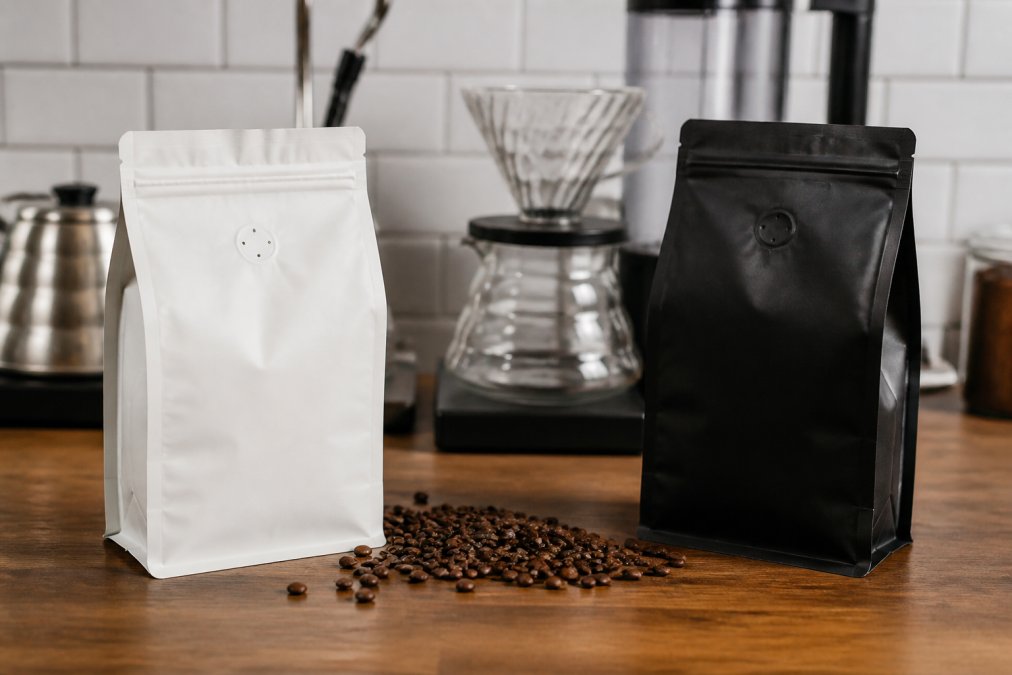
The cost-per-cup math matters more than the sticker price. A typical 300g bag yields roughly 21 to 24 cups, so a $20 bag lands around $0.85 to $0.95 per cup (peer-reviewed research).
How Each Subscription Curates Your Coffee
Driftaway starts with an eight-question taste quiz covering roast level, body, and flavor preferences. Every shipment includes a feedback card, and the roaster adjusts your next roast profile based on your ratings. The system rewards patience: by the third or fourth delivery, the beans should match your palate closely.
Mistobox skips the quiz in favor of human curation. Their team selects coffees from partner roasters each month, and subscribers can rate batches to steer future selections. The trade-off is clear: you get more variety, but less precision. If you find a bean you love, it may not return next month.
Driftaway is a relationship with one roaster who learns you; Mistobox is a tour guide introducing you to many. Enthusiasts who value diverse roast profiles will prefer Mistobox's range, while those who want their daily cup dialed in will favor Driftaway's feedback loop.
Driftaway Coffee: Taste-Profile Matching and Freshness
Driftaway roasts to order in small batches, and every bag carries a roast date. Their "flavor finder" system categorizes coffee across body, acidity, and roast level. Tell them you prefer a medium roast with chocolatey notes, and they will steer you toward beans that fit.
The freshness guarantee is the backbone of the service. Beans are roasted and shipped within days, not weeks, because coffee begins losing volatile aromatic compounds shortly after roasting. For light roast drinkers this is critical: delicate floral and citrus notes fade fastest.

Where Driftaway falls short is variety. Their catalog rotates, but it cannot match the breadth of a multi-roaster service. If you want the same reliable profile every morning, that consistency is a feature. If you crave novelty, the rotation may feel slow.
Mistobox: Roaster Variety and Flexible Discovery
Mistobox partners with a network of specialty roasters, so your monthly box might feature a natural-process Ethiopian from one roaster and a washed Colombian from another. This is ideal for drinkers who want to explore single-origin offerings and micro-lots without committing to a full bag of something unfamiliar.
Subscription management is genuinely flexible. You can set delivery from weekly to monthly, skip months when you travel, and rate each coffee to refine future picks. For busy professionals, Mistobox removes the decision fatigue of choosing beans.
The drawback is consistency. Because the roaster rotates, your favorite origin may vanish for months, and quality can vary between batches and roasters. If you are chasing a specific tasting note, you may feel like you are always starting over.
Coffee Subscription Shipping Costs and Delivery Areas
Shipping logistics are where the freshness promise either holds up or falls apart. The distance between roaster and door directly determines flavor, since beans begin staling the moment they are roasted and every day in transit degrades aromatic compounds.
For a domestic subscriber, the typical transit window is two to four business days. A roaster shipping from a central hub can often get beans to your door within 48 hours of the roast date. This is ideal: the beans arrive in their peak flavor window, which most practitioners find lasts roughly two to four weeks post-roast (peer-reviewed research).
The calculus changes dramatically for cross-border shipments. Customs processing can add unpredictable delays, turning a three-day domestic trip into five to ten business days internationally (cbp.gov). A coffee roasted on a Monday and held in customs until Friday has already lost a significant portion of its delicate volatile compounds before it reaches your grinder.
Beyond transit time, there is cost. Cross-border shipping often incurs brokerage fees, duties, and taxes that are not always transparent at checkout, so a "free shipping" subscription may still leave a surprise bill that changes the cost-per-cup math.
For Canadian coffee drinkers, this is the decisive factor. A domestic roaster shipping from within Canada avoids these border frictions entirely. The beans travel a shorter distance, clear no customs, and arrive with more of their flavor potential intact. When you compare the effective cost-per-cup including all fees and diminished flavor from extended transit, a cross-border subscription rarely justifies its premium over a domestic option.
For any subscription, check the shipping origin and estimated delivery window. If the roaster is more than a few hundred miles away, ask how they handle freshness, some ship on specific days to avoid weekend warehouse holds, others use expedited carriers.
For those who prioritize freshness above all, the optimal setup is a roaster within your own province or region. Shipping origin should be one of the first data points you check, not an afterthought buried in the FAQ.
How to Choose a Coffee Subscription: Key Decision Factors
The most overlooked variable in choosing a coffee subscription is not the roaster's reputation or price per bag; it is how the beans will perform in your specific brewing device. A coffee that shines as a pour-over can taste muddy in a French Press, and an espresso blend can taste flat as a drip. Matching the subscription's roast profiles to your equipment is the difference between a good cup and a great one.
Espresso Drinkers: Espresso extraction is unforgiving. It requires a fine grind and high pressure, which amplifies both sweetness and bitterness. You generally want beans roasted to a medium or medium-dark level; these have lower density and higher solubility, allowing balanced extraction under pressure. Light roasts often produce a sharp, acidic shot that is difficult to dial in. Look for roasters that offer a dedicated espresso blend or a roast profile designed for this method. Origin matters less than roast development.
Pour-Over (V60, Chemex, Kalita Wave): Pour-over is all about clarity and delicate flavor notes, which is where light and medium-light roasts excel. The slower extraction and paper filtration allow bright, floral, and fruity characteristics to shine. A natural-process Ethiopian or washed Kenyan will express its complex acidity beautifully in a V60. Look for subscriptions offering rotating single-origin coffees with detailed tasting notes. Roast date is critical, as these delicate aromatics fade first.
French Press: The French Press uses a metal mesh filter and full-immersion brew, resulting in a heavier body and robust mouthfeel. It is forgiving of roast level but tends to mute delicate top notes of light roasts while amplifying chocolatey, nutty, and earthy characteristics of medium and dark roasts. A Brazilian or Colombian bean with a medium roast is a classic match. Look for consistent blends or single-origin beans with a fuller body profile.
AeroPress: The AeroPress is the chameleon of brewing devices. It can produce a cup that is clean and tea-like or rich and espresso-like, depending on the recipe. It handles a wide range of roast levels but tends to favor medium roasts, which balance sweetness and acidity. A subscription with a variety of origins and processes is ideal, as it allows experimentation with different recipes and grind sizes.
Cold Brew: Cold brew is the most forgiving method. The long, cold extraction minimizes bitterness and acidity, so even lower-grade beans taste smooth. For exceptional cold brew, you want beans with bold, chocolatey, or fruity notes that come through after the long steep. Dark roasts are a safe bet, but a medium roast with heavy body can also produce a surprisingly sweet concentrate.
Beyond the brewing method, consider the bean's processing method. Washed coffees tend to be cleaner and more acidic; natural-processed coffees are fruitier and heavier. If you brew with a method that highlights clarity, like pour-over, washed coffees are often safer. If you use a method that benefits from body, like French Press, natural-processed beans add a pleasant, jammy sweetness.
For those who want to explore brewing methods without committing to a subscription, a bundle of single-origin beans from a trusted roaster offers the flexibility to experiment, letting you dial in grind size and recipe for each new origin.
The Best Coffee Subscription for Variety: Which Wins?
Mistobox wins on pure variety. A rotating lineup of roastery partners means you will taste more origins, processes, and roast profiles in three months than most drinkers sample in a year. For the enthusiast who treats coffee as exploration, that breadth is the point.
Driftaway wins on personalization. Its taste-profile matching and feedback loop deliver a cup that fits your preferences with remarkable accuracy. For the drinker who knows what they like and wants it every morning, consistency justifies the subscription.
But the best subscription for variety does not have to come from a multi-roaster service. A roaster with a broad catalog across roast intensities can deliver equal variety with better quality control. Single-origin beans from different regions taste radically different, even when roasted by the same hands.
When comparing Driftaway vs Mistobox, consider what happens after the novelty fades. Mistobox keeps surprising you but never quite settles; Driftaway settles beautifully but may bore you. The ideal service sits between the two.
Final Verdict for Your Home Brewing Setup
For most home brewers, Driftaway is the safer default. Its taste-profile matching reduces the risk of receiving beans you dislike, and the feedback loop improves every shipment.
Choose Mistobox if you are an experienced drinker who actively wants to explore. The variety is unmatched and management is flexible, but accept that some months will miss your preferences.
For Canadian coffee drinkers, the calculus shifts toward domestic options. Cross-border shipping costs and transit time compromise the freshness that justifies a premium subscription. A roaster who ships from within Canada, and offers a range of roast intensities delivers the same benefits without border friction.
Gilded Grind offers a curated selection of nature-inspired, single-origin beans and shipped across Canada, with roast profiles from light to dark. Bundles like the Global Coffee Collection | 6 Bags, the Medium Roast Bundle | 6 Bags, and the Light Roast Coffee Bundle | 4 bags let you explore multiple origins without committing to a subscription. Each 300g bag is roasted to order, so you get the same freshness guarantee as the big subscription services, with the freedom to buy when you want.

The choice between Driftaway vs Mistobox ultimately reflects how you drink coffee. If you want to taste the world, choose variety; if you want your perfect cup every day, choose consistency. If you want both without the commitment, a curated bundle from a roaster you trust delivers the experience on your terms.
Frequently Asked Questions
Which coffee subscription box is the best in Canada?
For Canadian coffee drinkers, the best subscription depends on your priorities. Driftaway and Mistobox both ship internationally, but you'll pay more in shipping costs and wait longer for delivery. For faster arrival and beans roasted nearby, a Canadian option like Gilded Grind offers freshly roasted coffee that reaches your door within days of the roast date, not weeks. Compare shipping costs and delivery times before committing to a subscription.
Is Driftaway coffee good?
Driftaway is well regarded for its taste-profile matching system. New subscribers take a quiz and receive a sampler kit to calibrate their flavor preferences. The company then sends beans that match your profile, focusing on freshness with roast dates printed on each bag. Their coffee comes from single-origin and micro-lot sources. If you value a personalized coffee subscription with a strong feedback loop, Driftaway delivers a quality experience.
How does Mistobox curate coffee for subscribers?
Mistobox uses a combination of your taste preferences and real feedback on every batch you receive. You rate each coffee, and their algorithm adjusts future selections. What sets Mistobox apart is access to a rotating roster of roastery partners, which gives you exposure to many roasters rather than just one. This makes it a strong choice if you want variety and are open to trying beans from different roasting styles.
What is the difference between a roaster-specific and a multi-roaster subscription?
A roaster-specific subscription, like Driftaway, sends coffee roasted by that single company. This means consistent quality and a tighter feedback loop with the roaster, but less variety. A multi-roaster subscription, like Mistobox, sources from multiple roastery partners, giving you a broader range of roast profiles and tasting notes. Choose roaster-specific if you want to build a relationship with one roaster's style; choose multi-roaster if variety matters more.
Fresh coffee should not require a subscription contract. Gilded Grind roasts single-origin beans in small batches and ships them across Canada within days, so you control when you buy and what you brew. Explore the full collection of light, medium, and dark roast bundles, each crafted for moments worth savoring. SHOP ALL COLLECTION and taste the difference a fresh roast date makes.
This article was written using GrandRanker


