
Table of Contents
- What Makes Premium Coffee Beans Delivery Worth It
- Best Coffee Beans for Automatic Machines
- Understanding Roast Profiles and Single-Origin Selection
- How to Store Coffee Beans for Maximum Freshness
- Coffee Subscription Frequency Guide
- Ethical Sourcing and Certifications That Matter
- Shipping, Packaging, and Delivery Policies
- Conclusion
Last Updated: August 27, 2026
What Makes Premium Coffee Beans Delivery Worth It
When you order premium coffee beans delivery, you're not just buying coffee, you're investing in a ritual. The difference between a bag of grocery-store beans and a curated single-origin roast isn't subtle. One tastes like coffee. The other tastes like place, altitude, and intention.
At Gilded Grind, we offer a curated selection of beans that tell a story. From the bright floral notes of Ethiopia Yirgacheffe to the syrupy depth of Sumatra G1, each origin has its own character. Premium coffee beans delivery isn't about convenience alone, it's about access to roasts you can't find locally, freshness that matters, and the ability to explore origins without committing to a full pound of something untested.

The real value emerges when you understand what separates premium from ordinary. Specialty-grade beans score above 80 on the cupping scale, meaning they've been evaluated by trained professionals for clarity, balance, and origin character (sca.coffee). They're sourced directly from small-batch roasteries that prioritize freshness over volume. And they arrive at your door days after roasting, not weeks.
For coffee connoisseurs, the convenience of a subscription model means you never run out. For remote workers, it transforms your home office into somewhere worth being. For gift-givers, curated bundles signal thoughtfulness in a way generic gifts don't.
Best Coffee Beans for Automatic Machines
Automatic machines, drip brewers, pod systems, and programmable coffee makers, have specific demands. They work best with beans ground to a consistent medium grind, and they benefit from roasts with enough body to shine through without bitterness.
If you use an automatic brewer, single-origin beans often outperform blends. Here's why: blends are engineered to taste the same across brewing methods. Single-origin beans have distinct characteristics that shine in specific contexts. A light roast from Ethiopia in an automatic brewer highlights brightness and complexity. A dark roast from Sumatra brings the body and richness that automatic machines sometimes flatten.
The Gilded Grind Light Roast Coffee Bundle includes four well-known origins roasted at light level, Ethiopia Yirgacheffe, Costa Rica Finca Lum, Guatemala Antigua, and Ethiopia Limu. Each bag is 300g of whole beans, freshly roasted and ready to grind. For automatic machines, the consistency matters. These roasts work because they're predictable: they won't choke your machine with oils, and they won't taste thin or under-extracted.

The alternative is the Dark Roast Coffee Bundle, Sumatra, El Salvador, Colombia Huila, and Ethiopian Harrar. Dark roasts produce more surface oils, which can accumulate in automatic machines over time. That's not a flaw; it's just chemistry. If you use dark roasts regularly, run your machine's cleaning cycle monthly. The payoff is worth it: dark roasts bring caramel, chocolate, and smoky notes that automatic machines can't destroy.
For those who want versatility, the Medium Roast Bundle offers six origins that split the difference. Medium roasts avoid the extremes, they're bright enough to taste clean, body-forward enough to feel substantial. They work in nearly every brewing method without complaint.
| Bundle | Roast Level | Best For | Price |
|---|---|---|---|
| Light Roast | Light | Brightness, origin character, daily drinking | $75.00 |
| Medium Roast | Medium | Balanced, versatile, all-day brewing | $98.99 |
| Dark Roast | Dark | Body, richness, espresso-style flavor | $75.00 |
| Global Collection | Mixed | Exploration, variety, tasting | $98.99 |
Understanding Roast Profiles and Single-Origin Selection
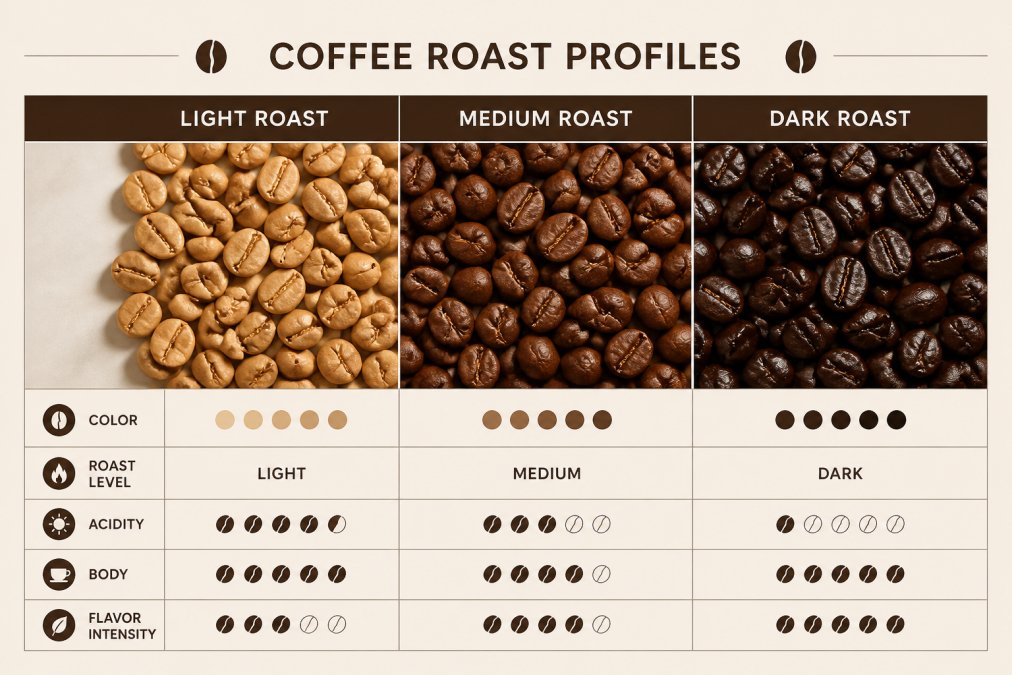
Roast profile determines everything about how a bean tastes. It's not just about darkness, it's about the chemical transformations that happen when heat meets green coffee. Understanding the difference between light, medium, and dark roasts helps you choose beans that match your brewing method and palate.
Light Roasts: Brightness and Origin Character
Light roasts are pulled from the heat early, just after the first crack. They preserve the bean's origin characteristics, the terroir, altitude, and processing method all shine through. Acidity is higher, but not in a sour way. It's the brightness that makes you taste lemon, berry, or floral notes.
Ethiopia Yirgacheffe is the classic light roast origin. The beans come from the birthplace of coffee, grown at high altitude in volcanic soil. When roasted light, they reveal jasmine, rose, and bright citrus notes. This isn't coffee that tastes like coffee. It tastes like place.
Light roasts work best in pour-over brewers, French press, or AeroPress. These methods allow you to control water temperature and contact time, which brings out the subtle flavors that light roasts are designed to showcase. In an automatic drip machine, they still work, they just need a slightly finer grind to extract properly.
The Gilded Grind Light Roast Coffee Bundle delivers four origins at this roast level, each 300g of whole beans. They're designed for coffee enthusiasts who view brewing as part of the ritual, not a chore.
Dark Roasts: Depth and Body
Dark roasts spend more time on the heat. The beans expand, their surface oils emerge, and the flavors shift from origin character to roast character. You taste chocolate, caramel, smoke, and sometimes a subtle sweetness. Acidity drops. Body increases.
Sumatra G1 is the dark roast standard. These beans are wet-hulled, which produces a lower-acid, full-bodied coffee naturally. When roasted dark, they become syrupy, with dark chocolate and smoky finish. This is the coffee for espresso machines, French press, and anyone who wants a coffee that feels substantial in their mouth.
Dark roasts are forgiving. They work in almost any brewing method because their flavors are bold enough to survive over-extraction or slightly off temperatures. They're also the choice for milk-based drinks, cappuccinos, lattes, because the roast character stands up to milk better than light or medium roasts.
The Gilded Grind Dark Roast Coffee Bundle includes four dark-roasted origins: Sumatra, El Salvador, Colombia Huila, and Ethiopian Harrar. Each brings different characteristics, but all share that body and depth that dark roasts deliver.

How to Store Coffee Beans for Maximum Freshness
The moment beans are roasted, they begin to fade. Oxygen, light, heat, and moisture are enemies. Peak freshness lasts about two weeks after roasting. After that, flavor declines gradually. After a month, most beans taste noticeably stale.
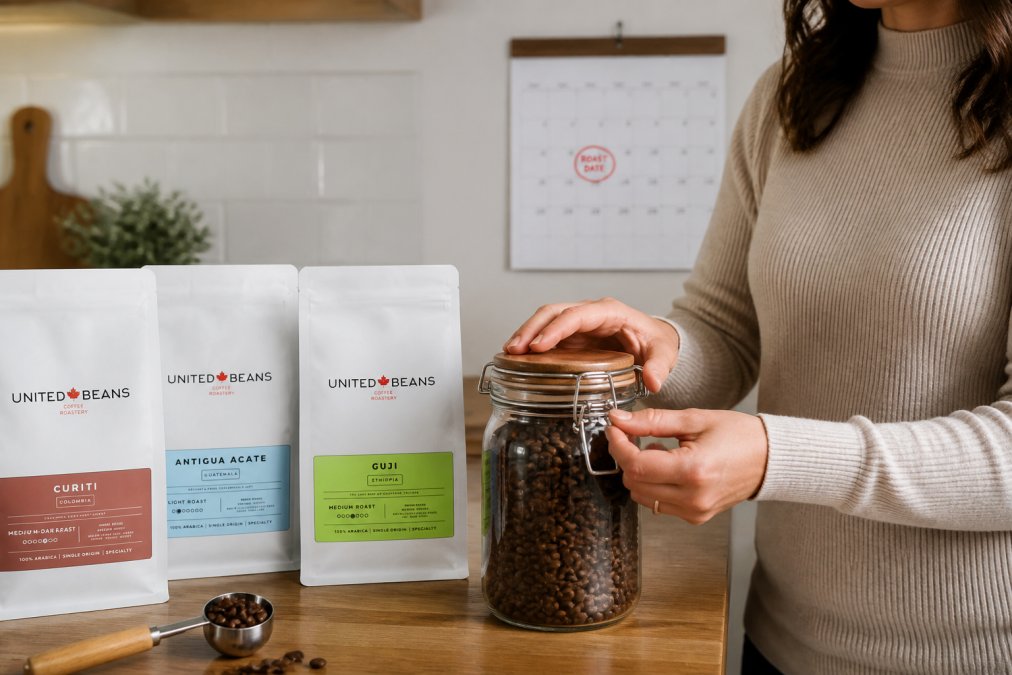
Store whole beans in an airtight container away from direct light and heat. A cool, dark cupboard is ideal, not the refrigerator or freezer. Moisture is the real killer. If you live in a humid climate, airtight matters even more.
Grind only what you'll use in the next few days. Ground coffee oxidizes faster because of increased surface area. A whole bean stays fresh for two weeks. Ground coffee peaks for three to five days.
If you subscribe to a premium coffee beans delivery service, the advantage is timing. You receive beans days after roasting, not weeks. This compressed timeline means you're always in the peak freshness window. You don't need to buy large quantities and worry about them going stale.
For those who buy multiple bags, stagger your opening. Don't open all four bags from a bundle at once. Open one, use it over two weeks, then open the next. This way, you're always drinking relatively fresh coffee, not stretching a month-old bag to make it last.
Coffee Subscription Frequency Guide
How often should you reorder? That depends on consumption, brewing method, and how much you value freshness.
A typical coffee drinker uses about 15-20 grams of whole beans per cup (sca.coffee). A 300g bag makes roughly 15-20 cups. If you drink one cup daily, one bag lasts two to three weeks. If you drink two cups daily, one bag lasts one to two weeks.
The Gilded Grind Global Coffee Collection delivers six 300g bags for $98.99. That's roughly 90-120 cups of coffee, depending on brewing strength. For a household of two drinking one cup each daily, this bundle lasts four to six weeks.
Subscription flexibility matters. You don't want to be locked into a rhythm that doesn't match your consumption. Some months you travel. Some months you drink more. A good premium coffee beans delivery service lets you skip, pause, or adjust without penalty.
Consider this framework:
| Consumption | Recommended Frequency | Reasoning |
|---|---|---|
| 1 cup daily | Monthly or every 4 weeks | Aligns with peak freshness window |
| 2 cups daily | Every 2-3 weeks | Ensures always-fresh beans |
| Occasional brewing | Every 6-8 weeks | Reduces stale inventory |
| Gifting/sampling | As-needed or quarterly | No fixed rhythm needed |
The real question isn't how often you should reorder, it's how much you value freshness versus convenience. Monthly delivery keeps you in the sweet spot. More frequent delivery guarantees peak flavor but adds shipping costs. Less frequent delivery stretches your budget but risks stale beans.
Ethical Sourcing and Certifications That Matter
"Ethically sourced" is marketing language that means almost nothing without specifics. Fair trade, organic, and direct-trade certifications add real accountability.
Fair trade certification ensures farmers receive a minimum price for their beans, protecting them against market volatility. Organic certification means no synthetic pesticides or fertilizers. Direct trade means the roaster buys directly from the farmer, cutting out middlemen and ensuring more money reaches the source.
The Peru Cajamarca FTO from Gilded Grind carries both organic and fair-trade certification. FTO stands for Fair Trade Organic. These beans are grown at 1,000-2,050 meters elevation in Peru's highlands. The certification means the farmers received fair compensation and grew the coffee without synthetic chemicals.
Look for these certifications when evaluating a premium coffee beans delivery service:
- Fair Trade Certified: Minimum price guarantee, community development programs
- Organic Certified: No synthetic pesticides, no artificial fertilizers
- Direct Trade: Roaster buys directly from farmer, typically higher farmer income
- Rainforest Alliance: Environmental and social standards, biodiversity protection
- USDA Organic: United States Department of Agriculture certification for organic coffee
The Sumatra G1 from Gilded Grind carries USDA organic certification, meaning it meets rigorous standards for organic production and handling.
Certifications aren't perfect. They add cost, which gets passed to consumers. But they provide accountability. When a bag says fair trade, you can verify it. When it says organic, there's a paper trail.
Shipping, Packaging, and Delivery Policies
Shipping speed matters for freshness. Beans roasted on Monday and delivered Friday are better than beans roasted on Monday and delivered the following Wednesday. A good premium coffee beans delivery service ships quickly after roasting.
Packaging affects freshness too. Whole beans need protection from light and oxygen. Most specialty roasters use kraft paper bags with a one-way valve, the valve lets CO2 escape without letting oxygen in. This keeps beans fresher longer than standard packaging.
Ask about these details before subscribing:
- Roast-to-ship timeline: How many days between roasting and shipment?
- Packaging material: One-way valve bags? Resealable? Light-blocking?
- Shipping method: Standard or expedited? Insulated packaging in summer?
- Delivery guarantee: What if beans arrive damaged?
- Cancellation policy: Can you pause or skip months without penalty?
Gilded Grind offers freshly roasted coffee beans through convenient bundles. The Global Coffee Collection, Light Roast Bundle, and Dark Roast Bundle all ship as whole beans in their standard packaging. For those who want ultimate convenience, the Pour Over Coffee Box delivers pre-ground, single-use drip coffee bags, no grinding required.
Conclusion
Premium coffee beans delivery transforms how you approach your daily cup. When you have access to fresh-roasted single-origin beans from ethical sources, your morning ritual becomes something worth savoring. The difference between stale grocery-store coffee and peak-freshness specialty beans isn't subtle, it's the difference between drinking coffee and experiencing it.
Gilded Grind specializes in curated, nature-inspired coffee beans designed for moments worth savoring. Whether you choose the Light Roast Coffee Bundle for brightness and complexity, the Dark Roast Coffee Bundle for depth and body, or the Global Coffee Collection for exploration across origins, you're choosing freshness, quality, and ethical sourcing. SHOP ALL COLLECTION and discover why premium coffee beans delivery matters.
Frequently Asked Questions
Q: What should I look for when choosing a premium coffee beans delivery service?
A: Look for fresh-roasted whole beans from specialty roasteries, single-origin options with detailed tasting notes, and transparent sourcing information. Check whether the service offers flexibility to skip or pause deliveries, provides fair-trade or organic certifications, and includes proper packaging to protect beans during shipping. The best services describe their roast profiles clearly and allow you to choose based on your brewing method.
Q: How often should I have coffee beans delivered to ensure peak freshness?
A: Most coffee enthusiasts benefit from a monthly delivery schedule, which aligns with the peak freshness window of 2-4 weeks after roasting. If you brew daily, monthly deliveries of 300-500g bags work well. For lighter consumption, every 6-8 weeks may suit you better. Premium coffee beans delivery services should let you customize frequency without rigid commitment, allowing you to pause during travel or adjust based on your actual consumption.
Q: What is the difference between single-origin and blended coffee beans?
A: Single-origin beans come from one specific region or farm, offering unique flavor profiles tied to that location's climate and altitude. Ethiopia Yirgacheffe, for example, delivers floral and fruity notes. Blended beans mix origins to create balanced, consistent flavors. Single-origin coffees highlight terroir and complexity, while blends provide versatility across brewing methods. Premium coffee beans delivery services typically offer both, letting you explore specific regions or enjoy reliable everyday blends.
Q: Are coffee subscriptions worth the cost compared to grocery store coffee?
A: Premium coffee beans delivery subscriptions cost more upfront but deliver significantly higher quality. Specialty roasted beans offer superior flavor complexity, fresher roast dates, and ethical sourcing that grocery store options rarely provide. You're paying for expert roasting, traceability, and curated selection. For coffee enthusiasts who value their daily ritual and brewing experience, the investment typically justifies itself through noticeably better taste and the convenience of consistent delivery.
Q: Can I customize my coffee delivery based on my brewing method?
A: Yes. Premium coffee beans delivery services should offer options for whole bean or pre-ground coffee suited to your equipment. For automatic drip machines, medium roasts with balanced acidity work best. French press users often prefer darker, fuller-bodied beans. Pour-over enthusiasts may choose lighter roasts to highlight origin characteristics. When selecting a delivery service, confirm they provide grind options and can recommend beans matched to your specific brewing method for optimal results.
This article was written using GrandRanker


