
Last Updated: October 26, 2026
Quick Summary
The best specialty coffee roasters prove four things on every bag: region-level origin, a printed roast date, an honest light-to-dark roast range, and specific tasting notes. Specialty coffee above 70 points on the cupping scale is graded for defects and sold with its origin and lot details intact, so ask for those details before you buy.
- A 300g bag at an 18g dose makes about 16 cups, so one cup a day lasts a little over two weeks.
- Compare subscriptions by price per 300g bag, which typically runs $16.50 to $22.00.
- Aim to finish a bag within three to four weeks of its roast date and treat six weeks as past its best.
- Match pour-over to light or medium roasts and French press to medium or dark roasts.
- Gilded Grind bundles run from $75.00 for four 300g bags to $99.00 for six.
Table of Contents
- What Separates the Best Specialty Coffee Roasters
- The Criteria That Actually Matter
- How to Choose a Coffee Subscription That Fits Your Routine
- A Coffee Subscription With Different Beans Keeps the Cup Interesting
- Matching Roast Profiles to Your Brew Method
- What Specialty Coffee Bundles Cost and What You Get
- Coffee Subscription Delivery Frequency Without the Waste
- Sourcing, Freshness and the Evidence to Ask For
- Build Your First Bundle From the Gilded Grind Collection
- Frequently Asked Questions
What Separates the Best Specialty Coffee Roasters
Specialty coffee scores above 70 points on the cupping scale, is graded for defects, and is sold with its origin and lot details intact. Finding the best specialty coffee roasters comes down to verifiable signals: origin transparency, freshness dating, roast range, and how clearly a roaster describes what each bean tastes like. This guide explains how to judge those signals for yourself.
What separates the good ones is evidence. Ask for the origin, the lot, the tasting notes, and a roast date, then check whether the answers are specific. "Ethiopia, floral, medium" is marketing. "Ethiopia Guji, peach and citrus, black tea finish, medium" tells you what you are buying.
Most buying guides skip this test and leave you choosing on packaging. Below, we break down the criteria that matter, how to match a roast to your brewer, and what a bundle should cost.
The Criteria That Actually Matter
Specialty coffee quality starts with traceability: a roaster should be able to name the region and the lot for every bag it sells. That single standard filters out most of the market. Four criteria carry the rest of the decision:
- Origin detail. Region-level naming, not just a country.
- Freshness dating. A roast date on the bag, not a best-before stamp.
- Roast range. Light through dark, with each level described honestly.
- Tasting notes. Specific flavors that match what you actually taste.
A roaster that publishes all four has nothing to hide; one that publishes none is telling you something too.
Specialty Coffee Association cupping standards sets the grading framework roasters work from, and it is worth a look before you compare any two bags.
How to Choose a Coffee Subscription That Fits Your Routine
The right coffee subscription matches three things to your habits: how much you drink, how often you want deliveries, and whether you want the same beans or a rotating selection. Answer those before you look at a price, because the cheapest per-bag option is a false economy if half the bag goes stale.
Start with volume. At a common 18g dose, a 300g bag makes about 16 cups. One cup a day finishes a bag in a little over two weeks; two cups a day finishes it in about eight days. Write your number down, it drives every other decision below.
Then decide on variety. If you drink the same cup every morning, a single-origin repeat order may suit your routine. If you get bored, different beans can offer variety.
A Simple Price and Value Comparison
Use this framework to compare any two subscriptions on equal terms.
| What to compare | Why it matters | Typical range to expect |
|---|---|---|
| Price per 300g bag | The only fair unit of comparison | $16.50 to $22.00 |
| Shipping cost per delivery | Can erase a per-bag saving | Free to $12.00 |
| Minimum commitment | Lock-in risk if you dislike the beans | None to 3 deliveries |
| Skip or pause option | Prevents stale surplus | Yes or no |
| Roast date on bag | Tells you how fresh the coffee is | Printed date vs best-before only |
| Bag size options | Smaller bags suit slower drinkers | 200g to 1kg |
Match the Subscription to Your Drinking Speed
- One cup a day (about 16 days per bag): a delivery every two weeks, or every four weeks with two bags, keeps you in fresh coffee without surplus.
- Two cups a day (about 8 days per bag): a delivery every two weeks with two bags, or weekly with one bag.
- Weekend-only drinker: a 200g bag or a longer interval; a 300g bag will likely stale before you finish it.
For a fuller case on why a specialty subscription suits a home routine, the case for specialty coffee subscriptions covers the practical side.
A Coffee Subscription With Different Beans Keeps the Cup Interesting
A coffee subscription with different beans solves a problem single-bag buyers hit fast: palate fatigue. The same Ethiopian light roast is excellent for a month and dull by the third. Rotating origins resets your reference point.
Variety also teaches you what you like. Drink a washed Peruvian medium-dark next to a natural Ethiopian light and the difference in body and acidity becomes obvious. That comparison, not reading, is how most people develop a palate.
Our Global Coffee Collection includes six origins in one purchase.

Matching Roast Profiles to Your Brew Method
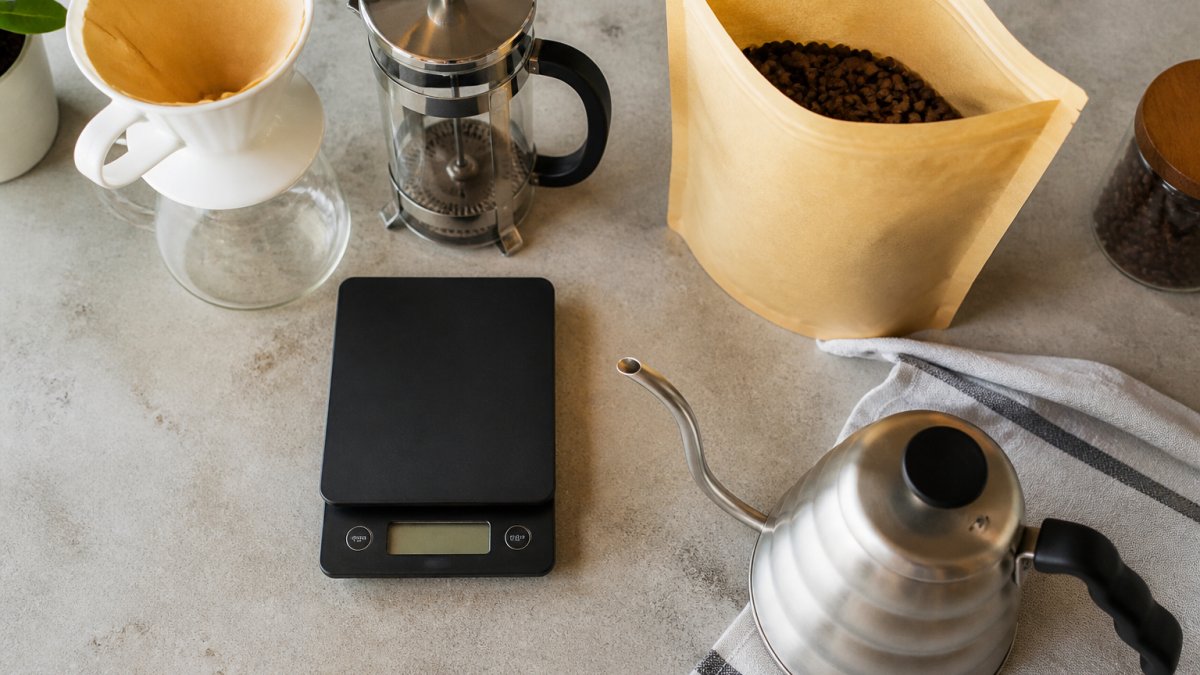
Roast profile and brew method should be chosen together, because the same bean tastes different in a French press than in a pour-over. Light roasts reward methods that show acidity and aroma. Dark roasts reward methods that build body.
A simple rule set: How To Choose Coffee Roast
- Pour-over: light to medium roasts. The paper filter keeps the cup clean, so delicate floral notes survive.
- French press: medium to dark roasts. The metal mesh lets oils through, which suits heavier, chocolatey profiles.
- Espresso: medium-dark to dark. Denser beans resist the pressure better and give a rounder shot.
- Cold brew: medium to dark. Lower acidity and a sweeter concentrate.
What Specialty Coffee Bundles Cost and What You Get
At Gilded Grind, bundles run from $75.00 for four 300g bags to $99.00 for six.
Global Coffee Collection | 6 Bags →
Here is what each option delivers:
| Bundle | Price (CAD) | Best For |
|---|---|---|
| Light Roast Bundle | $75.00 | Pour-over drinkers chasing acidity |
| Dark Roast Bundle | $75.00 | Espresso and French press |
| Medium Roast Bundle | $99.00 | Balanced everyday drinking |
| Medium-Dark Roast Bundle | $99.00 | Chocolate and stone-fruit notes |
| Global Coffee Collection | $99.00 | Tasting across origins |
Single Bags vs Bundles: A Straight Price Comparison
Best for: anyone who already knows they will drink through four or more bags. Skip if: you want to try one origin before committing to a set.
Coffee Subscription Delivery Frequency Without the Waste
Coffee subscription delivery frequency should match your consumption and the freshness window of the beans, not a fixed calendar. The most common mistake is ordering monthly when you drink a bag every three weeks, which piles up stale coffee. The second is ordering weekly when you drink one cup a day, so you always drink the newest bag and never the one at its peak.
Work Out Your Interval Once
| Daily cups (18g dose) | Days per 300g bag | Suggested interval | Bags per delivery |
|---|---|---|---|
| 1 | About 16 | Every 2 weeks | 1 |
| 1 | About 16 | Every 4 weeks | 2 |
| 2 | About 8 | Every 2 weeks | 2 |
| 2 | About 8 | Weekly | 1 |
| Weekend only | About 30+ | Every 4 to 6 weeks | 1 (200g if available) |
The Freshness Window That Should Drive the Schedule
Roast date is the single number that should set your delivery frequency. Whole bean coffee holds its best flavor for a few weeks after roasting, then fades. A bag with no date gives you no way to know where you are in that window, so a roaster that prints a roast date is telling you it expects you to care about freshness.
A practical rule most specialty drinkers follow: aim to finish a bag within three to four weeks of its roast date, and treat anything past six weeks as past its best. That window, not the calendar, is what your delivery interval should protect. If your interval means a bag sits for two weeks before you open it, shorten the interval or reduce the bag count.
Storage That Protects the Schedule
Store beans in an airtight container, away from light and heat, and buy in quantities you will finish. Do not transfer to the fridge or freezer unless you are storing a sealed bag long-term and know how to thaw it without condensation. Practical bean storage guidance covers the details that keep a bag at its peak.
Ordering slightly less often than you think you need is the safer error, because coffee at its peak beats coffee in surplus.
Sourcing, Freshness and the Evidence to Ask For
Sourcing claims are only worth what a seller can prove. Ask two questions: Where exactly did it grow? What certification, if any, backs the sourcing claim?
Roast date changes your cup most. Whole bean coffee holds its best flavor for a few weeks after roasting, then fades, and a bag with no date gives you no way to know where you are in that window. Store beans in an airtight container, away from light and heat, and buy in quantities you will finish. Practical bean storage guidance covers the details.
On sourcing, look for named certifications rather than adjectives. Our Peru Cajamarca is certified organic and Fair Trade. "Ethically sourced" on its own is not.
For the wider picture on how sourcing standards are defined, Fairtrade Canada's certification standards explains what the mark requires. And Agriculture and Agri-Food Canada's organic certification guidance covers what organic labeling means on a bag sold here.
Build Your First Bundle From the Gilded Grind Collection
The Light Roast Bundle is $75.00, the Dark Roast Bundle is $75.00, and the six-bag Medium and Medium-Dark bundles are $99.00. Every bag is 100% Arabica whole bean.
Get started with Gilded Grind.
Frequently Asked Questions
How do I choose a specialty coffee roaster?
Start with two checks: whether the origin is named and whether the flavour notes appeal to you. Then compare price per gram across bags and bundles so you are judging like for like.
Are coffee subscriptions a good way to try different coffees?
A bundle can offer a way to try different origins. The Global Coffee Collection includes six origins in one purchase.
How often should a coffee subscription deliver?
Work backwards from how much you drink. A 300g bag makes roughly 20 to 25 cups at a standard dose, so one person drinking a cup a day gets through about one bag every three to four weeks. Two-cup households should double that. Choose a coffee subscription delivery frequency that lands just before you run out, and pick a provider that lets you skip months when you travel.
What should I look for in specialty coffee beans?
Look for 100% Arabica and a named origin. Peru Cajamarca is certified organic and Fair Trade.
How can I compare specialty coffee roasters before subscribing?
The Light Roast Coffee Bundle includes four origins, and the Global Coffee Collection includes six origins. Compare the price per 100g and note which origins appeal to you.


