
Table of Contents
- The Price Gap: Specialty Coffee vs Commercial Coffee
- What Is Specialty Grade Coffee
- Origin, Traceability, and Supply Chain Costs
- Fair Wages and Producer Compensation
- Roasting, Freshness, and Shelf Life
- How to Choose the Best Coffee Beans
- Home Brewing Efficiency and Value Per Cup
- Conclusion
Last Updated: August 23, 2026
The Price Gap: Specialty Coffee vs Commercial Coffee
A single-origin Ethiopian pour-over might cost three times what mass-produced coffee does. The gap reflects fundamentally different supply chains, quality standards, and value propositions. Specialty coffee prioritizes flavor, traceability, and producer relationships, while commercial coffee prioritizes volume and shelf stability. These differences reshape every stage of production, from harvest to roasting to your cup.
At Gilded Grind, we've built our entire collection around this principle. Our beans, from the bright, floral notes of Ethiopia Limu to the deep richness of Sumatra G1, represent the full cost of doing coffee right. Understanding why that cost exists is the first step to appreciating what you're actually buying.

What Is Specialty Grade Coffee
Specialty grade coffee must score 80 points or higher on the Specialty Coffee Association's 100-point scale (sca.coffee). This threshold determines how farmers are compensated, which roasters will buy the lot, and ultimately, what you pay at retail.
Commodity coffee has no such standard. It's graded pass-or-fail based on minimum export standards. A bag could contain beans that scored 65 or 75 on the specialty scale, but you'd never know because nobody measured it.
Cupping Standards and Quality Scores
The specialty coffee industry uses cupping, a formal tasting protocol, to score beans. Professional cuppers evaluate aroma, acidity, body, flavor, aftertaste, balance, and overall impression. The cumulative score determines the bean's grade.
This creates accountability. A farmer knows their beans will be evaluated against a standardized rubric. A roaster can verify quality before purchasing. You can trust that a specialty coffee has been vetted by trained professionals.
Commercial coffee skips this step. Beans are tested for defects and moisture content, but not for flavor quality. Everything that passes basic standards is acceptable, resulting in a product that's consistent in mediocrity but inconsistent in actual taste.
Origin, Traceability, and Supply Chain Costs
Where your coffee comes from shapes its price more than almost any other factor. Specialty coffee demands traceability: you should know not just that beans came from Ethiopia, but which region, farm, altitude, and harvest.
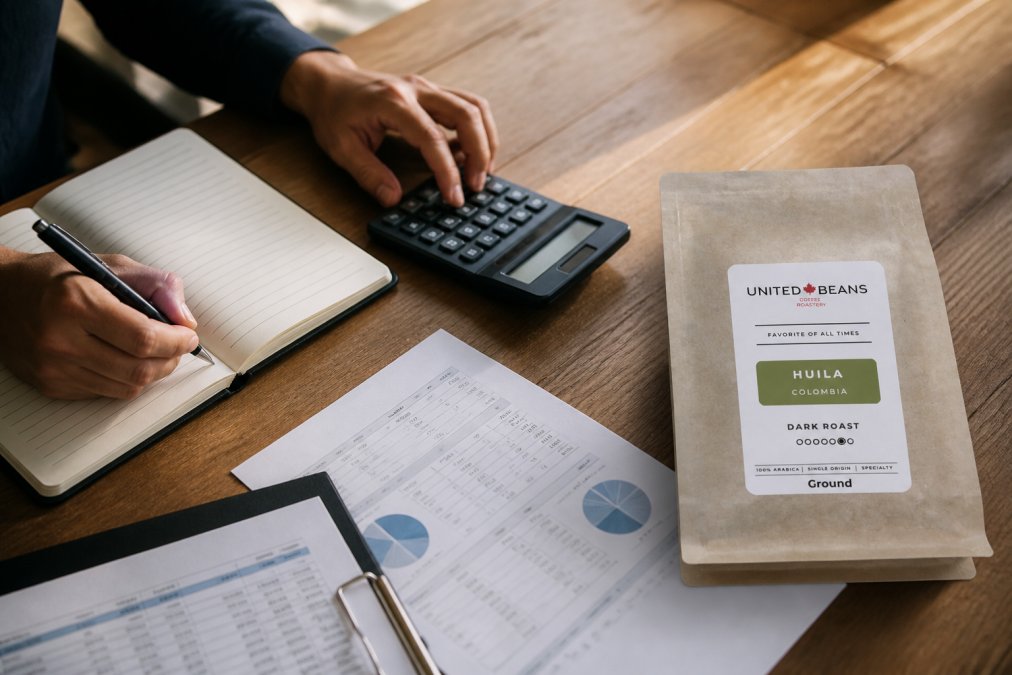
Commercial coffee blends beans from multiple origins and countries. The supply chain is optimized for anonymity. Beans are aggregated at regional collection points and shipped in bulk. Nobody tracks individual farm lots.
Specialty coffee reverses this logic. A direct-trade relationship between roaster and farmer creates traceability. The roaster visits the farm, understands the harvest, and builds a relationship that persists across years. Specialty roasters often prepay farmers or offer premium prices to secure specific lots.
The supply chain itself is more expensive. Specialty lots move in smaller quantities with higher per-pound shipping costs. Quality control checkpoints and careful handling prevent degradation that commodity chains tolerate. By the time specialty beans reach a roaster, they've already cost more than commodity beans at every stage.
Fair Wages and Producer Compensation
A farmer growing commodity coffee receives the C-price, a global commodity price set on futures exchanges, minus middlemen fees. In many years, this barely covers production costs. Specialty coffee operates differently: when a roaster pays a premium for specialty beans, a meaningful portion flows back to the farmer.
Many specialty roasters target fair-trade certification or direct-trade relationships to ensure producer compensation reaches livable levels. A farmer who can afford to invest in their land and maintain quality control will produce better coffee that commands a higher price. Commodity coffee breaks this cycle: farmers have no incentive to invest in quality because they're paid the same regardless of score.
When you buy specialty coffee, you're paying for a supply chain that compensates producers fairly, the only way to sustain coffee farming as a viable profession long-term.
Roasting, Freshness, and Shelf Life
Commercial roasters optimize for shelf stability and consistency. Beans are roasted dark, typically Full City or French roast, which masks defects and extends shelf life. The result is predictable but flat, tasting the same whether roasted yesterday or six months ago.
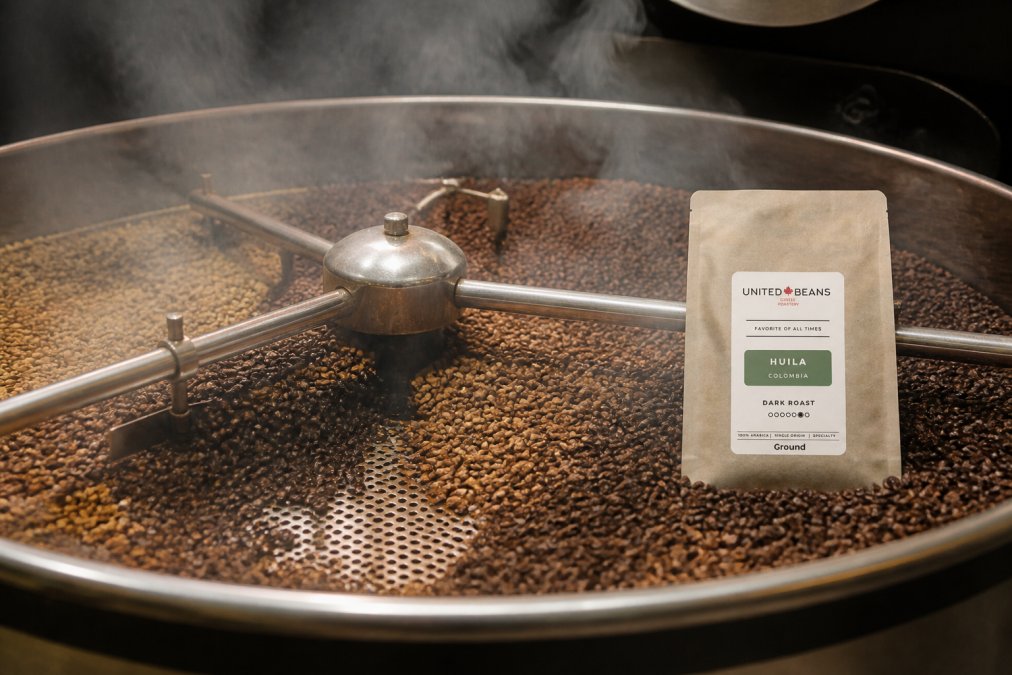
Specialty roasters optimize for flavor, accepting a narrower window of peak quality. A light roast preserves origin characteristics. A medium roast balances origin character with roasted flavors. A dark roast emphasizes body and chocolate notes. Each profile requires precision.
This precision costs money. Specialty roasters use smaller batches, more frequent quality checks, and experienced roasters. They invest in equipment for fine-tuned temperature and airflow control. A single roasting error in a small batch affects a higher percentage of the final product.
Roasted coffee begins degrading immediately after cooling. Research from the Specialty Coffee Association shows that roasted coffee loses approximately 10-15% of flavor compounds within the first week, another 15-20% by week two, and continues at an accelerating rate (peer-reviewed research). By week four, most specialty coffees have lost 40% or more of peak flavor intensity.
Commercial coffee masks this degradation through dark roasts and stale-bean blends. Specialty coffee depends on freshness to deliver its value. A specialty coffee roasted two weeks ago tastes noticeably better than one roasted two months ago.
This is why roast date matters. When you buy specialty coffee, the roast date should be visible. Coffee roasted within the last two weeks will taste significantly better than older stock. This narrow window of peak flavor is one reason specialty coffee costs more: it must move faster through the supply chain. Specialty roasters must turn inventory quickly, resulting in higher carrying costs and more frequent small roasts. Commodity roasters can buy in massive volume, roast infrequently, and let product age on shelves.
How to Choose the Best Coffee Beans
Choosing specialty coffee means understanding what you're buying and matching it to your brewing method.
Understanding Origin and Flavor Profiles
Origin shapes flavor more predictably than any other factor. Ethiopian coffees, particularly from Yirgacheffe, Sidamo, and Limu, typically display floral and fruity notes, jasmine, bergamot, blueberry, or stone fruit. These result from the bean's chemical composition, altitude (often 1,800-2,200 meters), and bean variety. Learning to identify these notes verifies that you're getting what you paid for.

Indonesian coffees, particularly from Sumatra and Sulawesi, lean toward earthy, full-bodied profiles with lower acidity. You'll find notes of tobacco, leather, dark chocolate, and sometimes herbal or spice notes. This comes from wet-hulling processing, which is more expensive and riskier but produces distinctive body and earthiness.
Central American coffees, from Guatemala, Honduras, Costa Rica, and Panama, offer balanced acidity, chocolate and nutty notes, and clean finish. These are versatile and forgiving, making them a good entry point.
Matching Origin to Brewing Method
Your brewing method should guide your origin choice. A French press, which uses immersion brewing and a metal filter, allows more oils through, creating fuller body. Indonesian coffees pair well with French press. A pour-over, which uses paper filtration, removes oils and highlights acidity and complexity. Ethiopian coffees shine in a pour-over. An espresso machine extracts quickly under pressure, emphasizing body and sweetness. A medium roast from Central America or darker roast from Sumatra often works well as espresso.
Roast Level and Flavor Preservation
A light roast preserves origin character but requires precise brewing to avoid sourness. A medium roast is forgiving and versatile, preserving enough origin character while introducing roasted flavors. A medium roast is the safest entry point for new specialty coffee drinkers. A dark roast emphasizes body and roasted flavors over origin distinction, ideal if you prefer chocolate and caramel over acidity and complexity.
Verifying Freshness and Transparency
Check the roast date. Coffee roasted within two weeks tastes noticeably better than older stock. If a roaster won't publish the roast date, that's a red flag.
Look for transparency about sourcing. A good specialty roaster provides information: the farm or region, altitude, processing method, expected flavor notes, and ideally the farmer's name or cooperative. When a roaster can tell you their Ethiopian coffee comes from the Limu washing station at 1,950 meters, processed via washed method, you know they've sourced it intentionally.
Practical Buying Decisions
Buy whole bean when possible. Whole beans maintain peak flavor for 2-3 weeks after roasting. Ground coffee peaks within 24-48 hours (sca.coffee). Start with a medium roast from a region that appeals to you. Buy a small bag (250-340 grams) from a roaster with a visible roast date. Brew with attention to water temperature (90-96°C), grind size, and contact time. Taste it on day 3, day 7, and day 14 after roasting. This practice teaches you what freshness tastes like and why roast date matters.
Home Brewing Efficiency and Value Per Cup
The per-cup cost of specialty coffee isn't as dramatic as the per-bag price suggests. Specialty coffee typically yields more usable coffee per gram because it contains fewer fines that over-extract and create bitterness.
Brewing method affects efficiency. A French press extracts about 20-25% of soluble compounds. A pour-over extracts 25-30%. An espresso machine extracts 18-22%. Better extraction means you need less coffee to achieve the same flavor intensity. A single-origin specialty coffee brewed correctly might yield a better cup than twice as much commercial coffee.
Specialty coffee encourages intentionality. You're more likely to grind fresh, measure precisely, and pay attention to water temperature and brew time. These practices extract more value from the beans. When you calculate true value, flavor quality per dollar spent, accounting for extraction efficiency and brewing precision, the gap between specialty and commercial coffee narrows considerably.
The price gap between specialty coffee and grocery coffee reflects real differences in how the product is grown, processed, roasted, and distributed. When you understand those economics, the premium stops feeling arbitrary and starts feeling justified.
At Gilded Grind, we believe that moments worth savoring deserve coffee that matches them. Our curated collection, from single-origin lots like Yirgacheffe Ethiopia to our USDA-certified Sumatra G1, represents the full value of specialty coffee done right. Each roast profile and origin is selected to deliver the complexity and quality that specialty coffee promises. Start with what resonates: explore our full collection and discover the difference freshness, traceability, and intentional roasting actually make.

Frequently Asked Questions
What makes specialty coffee different from grocery store coffee?
Specialty coffee scores 80 points or higher on a 100-point cupping scale, while mass-produced grocery coffee typically scores below 70. Specialty beans come from single origins with documented traceability, use higher-quality harvesting methods, and are roasted fresh in smaller batches. Grocery store coffee often blends lower-grade beans from multiple origins and is roasted months before purchase, resulting in stale, flat flavors. The difference is noticeable in brightness, complexity, and aftertaste.
How does fair trade certification increase the price of specialty grade coffee?
Fair trade certification ensures farmers receive a minimum price floor that covers production costs and provides a living wage. This certification adds transparency costs and verification fees, but the primary cost difference is that specialty producers pay farmers more than commodity prices. These fair wages directly raise the retail price but support sustainable farming and better working conditions.
Is specialty coffee worth the extra cost compared to mass-market brands?
Yes, if you value flavor and freshness. A cup of specialty coffee typically delivers noticeably better taste, aroma, and complexity. For home brewers, specialty beans maximize extraction efficiency, meaning you need less coffee per cup to achieve a satisfying brew. A 340-gram bag of specialty coffee like Yirgacheffe Ethiopia at $19 yields roughly 17 cups. When calculated per cup, specialty coffee often delivers better value.
How does the roasting process affect the cost of coffee beans?
Specialty roasters roast in small batches to control roast profiles precisely, which requires skilled labor, frequent equipment maintenance, and careful monitoring. Mass-produced coffee is roasted in industrial batches where consistency matters less than volume. Specialty roasters also roast closer to the order date to preserve freshness, increasing logistics costs. Fresh-roasted beans retain more volatile flavor compounds, so you taste the origin's unique characteristics. Stale grocery coffee loses these compounds within 2-3 weeks, masking the roaster's work and justifying lower prices.
This article was written using GrandRanker


