
Table of Contents
- Yirgacheffe vs Sidamo Coffee: Quick Comparison
- Geographic Relationship Between Yirgacheffe and Sidamo
- Ethiopian Coffee Flavor Profile: Yirgacheffe and Sidamo Compared
- Acidity, Body, and Mouthfeel Characteristics
- Natural vs Washed Processing Methods
- Best Brewing Methods for Ethiopian Coffee
- How to Choose Between Yirgacheffe and Sidamo
- Conclusion
- Frequently Asked Questions
Last Updated: September 19, 2026
Yirgacheffe vs Sidamo Coffee: Quick Comparison
The difference between Yirgacheffe and Sidamo coffee comes down to geography, altitude, and flavor intensity. Both are exceptional single-origin coffees from Ethiopia, but they offer distinctly different tasting experiences.
Yirgacheffe coffees are bright, delicate, and floral. Sidamo coffees offer deeper body and fuller sweetness. Choose based on whether you prefer vibrant acidity with subtle aromatics or a rounded, fruit-forward cup.
| Characteristic | Yirgacheffe | Sidamo |
|---|---|---|
| Altitude | 1,700-2,200 meters | 1,400-2,200 meters |
| Primary Flavor Notes | Jasmine, rose, citrus, berry | Berry, stone fruit, chocolate, spice |
| Acidity Level | Bright, lemon-lime | Moderate to full |
| Body | Light to medium | Medium to full |
| Processing | Washed or natural | Washed or natural |
| Best For | Pour-over, espresso | French press, espresso, immersion |
Geographic Relationship Between Yirgacheffe and Sidamo
Yirgacheffe and Sidamo are neighboring regions in southern Ethiopia with distinct microclimates. Yirgacheffe sits at consistently higher elevations, while Sidamo spans a larger territory with both higher and lower altitude zones.
Elevation directly influences how coffee cherries mature. Higher altitudes mean slower ripening and more complex sugars and acids. Yirgacheffe's consistently high elevation creates bright, floral notes. Sidamo's wider altitude range produces variability: lower-elevation beans develop deeper, earthier characteristics, while higher-altitude Sidamo approaches Yirgacheffe's brightness.
Ethiopian Coffee Flavor Profile: Yirgacheffe and Sidamo Compared
Yirgacheffe Flavor Notes
Yirgacheffe coffees feature a delicate, tea-like quality with pronounced floral aromatics: jasmine, rose, bright citrus, orange zest, and lemon-lime acidity. Subtle berry undertones emerge as the cup cools.
Heirloom varietals evolved over centuries in high-altitude conditions, creating beans with naturally higher acidity and lighter body. Properly brewed, Yirgacheffe reveals floral aromatics, citrus brightness, and delicate sweetness.
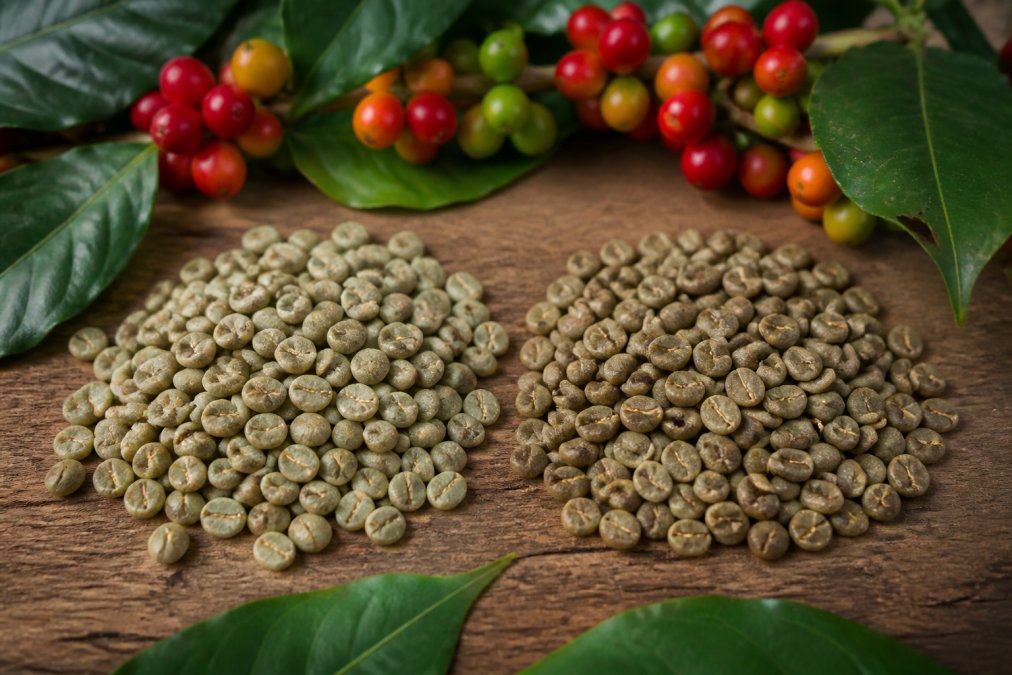
The Yirgacheffe Ethiopia Medium from Gilded Grind is 100% Arabica, featuring delicate jasmine and rose-like floral notes, bright orange zest acidity, and natural berry sweetness.

Sidamo Flavor Notes
Sidamo coffees offer a fuller, fruit-forward experience with stone fruit, plum, apricot, peach, chocolate, and spice undertones. The broader altitude range creates variation, but the hallmark is a rounder mouthfeel and deeper sweetness.
Sidamo's medium-full body suits brewing methods that emphasize body and extraction. Natural process Sidamo is especially prized for its wine-like body and pronounced berry character.
Acidity, Body, and Mouthfeel Characteristics
Acidity in specialty coffee signals quality and origin character. Yirgacheffe exhibits high, crisp acidity, what professionals call "bright," giving it distinctive liveliness.
Sidamo has moderate to full acidity that manifests as subtle tartness balancing the fuller body. Mouthfeel differs noticeably between the two origins.
Yirgacheffe's light to medium body creates a tea-like mouthfeel, delicate and clean. Sidamo's medium to full body feels substantial, coating the palate and lingering.
Cupping notes reflect measurable differences in flavor development. Yirgacheffe emphasizes floral aromatics, citrus, and berry. Sidamo highlights stone fruit, chocolate, and spice.
Natural vs Washed Processing Methods
Both origins can be processed using natural or washed methods, with impact varying by region due to altitude, water availability, and fermentation infrastructure.
Washed Processing and Regional Variation
Washed process coffees are fermented in water after the cherry is removed, emphasizing the bean's inherent origin flavors. Water quality and mineral content influence the final cup profile.
In Yirgacheffe, washed coffees taste cleaner and brighter with pronounced floral notes due to high altitude and volcanic soil creating mineral-rich water. Spring water from higher elevations accelerates fermentation and preserves acidity, highlighting jasmine, rose, and citrus.
Washed Sidamo varies by altitude. Higher-altitude stations (above 1,900 meters) produce brightness approaching Yirgacheffe, while lower-altitude stations produce softer acidity and pronounced fruit. Fermentation time varies: cooler stations ferment 48-72 hours, warmer stations 24-36 hours. Longer fermentation develops more complex acids and deeper sweetness.
Natural Processing and Extended Fruit Contact
Natural process coffees are dried with fruit attached, imparting deeper, wine-like flavors and increased body. The 3-4 week drying process allows beans to absorb sugars and tannins from the fruit.
Natural Yirgacheffe develops pronounced berry undertones and a silkier mouthfeel. High altitude means cooler temperatures, slower drying, and more consistent flavor development.
Yirgacheffe Ethiopia | Medium →
Natural Sidamo develops intensified stone fruit and chocolate notes. Lower-altitude coffees dry faster in warmer conditions, amplifying fermentation flavors and wine-like character. Higher-altitude natural Sidamo dries slowly, developing balanced fruit-forward sweetness.
Choosing Based on Processing Method
Processing method affects flavor intensity and brewing strategy. Washed coffees suit pour-over and espresso for clarity. Natural process coffees shine in French press and immersion methods for body and sweetness.
If you want to taste the distinct terroir of Yirgacheffe or Sidamo, washed processing is your best choice. If you prefer deeper sweetness, fuller body, and wine-like complexity, natural processing delivers that experience more intensely.
Best Brewing Methods for Ethiopian Coffee
The brewing method you choose should match the coffee's flavor profile and body. However, water chemistry, the mineral content of your brewing water, plays an equally important role in extracting the delicate floral notes in Yirgacheffe and the fruit-forward character in Sidamo.
Yirgacheffe: Pour-Over and Water Chemistry
Yirgacheffe's delicate character and bright acidity are best highlighted in brewing methods that emphasize clarity and extraction control. Pour-over brewing, using methods like V60, Chemex, or Kalita Wave, allows you to control water temperature and contact time precisely. This suits Yirgacheffe beautifully, letting those floral notes and citrus acidity shine without over-extraction.
For Yirgacheffe, softer water (lower mineral content, ideally 50-100 parts per million of total dissolved solids) is ideal. Soft water extracts the delicate jasmine and rose aromatics more efficiently because fewer minerals compete for the extraction of volatile flavor compounds. If your tap water is very hard (above 200 ppm), consider using filtered water or adding a small amount of distilled water to soften it. The result is a cleaner, brighter cup with more pronounced floral character.
Water temperature matters too. Brew Yirgacheffe at 195-200°F (90-93°C). Hotter water can over-extract the delicate acids and create harsh, astringent notes. Slightly cooler water preserves the tea-like smoothness and allows the citrus brightness to emerge gradually as the cup cools.
Espresso can also work well for Yirgacheffe, though you'll want a lighter hand on the tamp to preserve brightness. Use a medium-fine grind and aim for a 25-30 second extraction.
Sidamo: Immersion Brewing and Mineral-Rich Water
Sidamo's fuller body and fruit-forward character perform exceptionally well in immersion brewing. French press, cold brew, and Turkish coffee methods all emphasize body and sweetness, which are Sidamo's strengths. The longer contact time between grounds and water extracts the deeper flavor compounds, stone fruit, chocolate, and spice, that make Sidamo so satisfying.
For Sidamo, slightly harder water (100-150 ppm total dissolved solids) complements the fuller body and brings out chocolate and spice notes more effectively. Minerals like calcium and magnesium enhance the extraction of these heavier flavor compounds and create a more rounded mouthfeel. If your tap water is very soft, consider adding a pinch of mineral content (a commercial water enhancer or a small amount of mineral water mixed with filtered water) when brewing Sidamo.
Water temperature for French press should be 200-205°F (93-96°C).
Grind Size and Extraction Timing
Grind size influences how quickly water extracts flavor compounds. For pour-over with Yirgacheffe, use a medium-fine grind (similar to sea salt). For French press with Sidamo, use a coarser grind (similar to breadcrumbs) to prevent over-extraction and bitterness. The finer the grind, the faster extraction happens; coarser grinds require longer steeping.
How to Choose Between Yirgacheffe and Sidamo
Your choice in the Yirgacheffe vs Sidamo coffee comparison depends on three factors: your flavor preferences, your brewing equipment, and the experience you want from your morning cup.
Conclusion
The difference between Yirgacheffe and Sidamo coffee reflects their distinct geographies and altitudes within Ethiopia's coffee regions. Yirgacheffe delivers bright, delicate, floral-forward cups with pronounced acidity, ideal for pour-over brewing and coffee rituals. Sidamo offers fuller body, deeper sweetness, and fruit-forward character that shines in French press and immersion methods.
Frequently Asked Questions
What is special about Yirgacheffe coffee?
Yirgacheffe coffee stands out for its bright, complex flavor profile featuring floral aromatics, citrus notes, and berry undertones. The region's high altitude and volcanic soil create heirloom varietals with exceptional acidity and delicate sweetness. These characteristics make Yirgacheffe a favorite among specialty coffee enthusiasts seeking sophisticated, nuanced cups with wine-like body and distinctive tasting notes.
What are the primary flavor differences between Sidamo and Yirgacheffe?
Yirgacheffe emphasizes bright citrus and floral notes with lemon-lime acidity, while Sidamo offers deeper, more complex berry undertones with fuller body and lower acidity. Yirgacheffe tends toward jasmine and rose aromatics, whereas Sidamo displays earthier, more balanced sweetness. Both are Ethiopian coffee regions, but Yirgacheffe's terroir produces lighter, more delicate cups, while Sidamo's altitude and climate create richer, more structured profiles.
How do regional growing conditions influence Ethiopian coffee profiles?
Altitude, climate, and soil composition directly shape flavor development in Ethiopian coffee. Higher elevations slow bean maturation, concentrating sugars and creating complex acidity. Yirgacheffe's volcanic soil and cooler temperatures produce floral, citrus-forward profiles. Sidamo's varied microclimates and altitudes between 1,500 and 2,200 meters create deeper, more complex flavors. Water chemistry, rainfall patterns, and harvest season timing also influence the final cup's body, sweetness, and aromatic intensity.
Is Sidamo coffee a good choice for beginners?
Sidamo offers approachable flavor complexity that appeals to both beginners and experienced coffee drinkers. Its fuller body and balanced acidity are less sharp than Yirgacheffe, making it forgiving for different brewing methods. Beginners benefit from Sidamo's natural sweetness and berry-forward tasting notes, which are easier to detect than subtle floral aromatics. However, both regions produce excellent specialty coffee; your choice depends on whether you prefer bright, delicate cups or richer, more structured flavor profiles.


