
Table of Contents
- What Makes Coffee Expensive
- How to Identify High Quality Coffee Beans
- The Diminishing Returns Curve
- Best Coffee Beans for Automatic Machines
- Storage, Shelf Life, and Real Value
- When Premium Coffee Pays Off
- Frequently Asked Questions
Last Updated: August 31, 2026
What Makes Coffee Expensive
When you're deciding whether expensive coffee is worth the price, understanding what drives that cost is the first step. Premium coffee doesn't command higher prices because of marketing alone, there are measurable, tangible factors that separate a $16 bag from a $5 bag at the grocery store.
The most significant cost driver is origin and rarity. Coffee grown at high altitudes in specific microclimates develops more complex flavor compounds. Single-origin beans from renowned regions, Ethiopia's Yirgacheffe, Colombia's Huila, or Indonesia's Sumatra, require more careful cultivation and selective harvesting. These origins also have limited annual yields, which naturally increases scarcity and price.
Processing methods add another layer of cost. The way beans are processed after harvest dramatically affects flavor development and requires specialized equipment and expertise. Some methods, like anaerobic fermentation, demand precise environmental control and longer processing times, which increases labor and overhead costs.
Single-Origin vs Blend Coffee
Single-origin coffee comes from one specific geographic location and carries a distinct flavor profile shaped by that region's climate, soil, and altitude. These coffees are typically more expensive because they're traceable to their source and often come from smaller, specialty-focused farms.
Blended coffee combines beans from multiple origins to create a balanced, consistent flavor. Blends are generally less expensive because they allow roasters to use beans from different sources, sometimes including lower-grade commodity coffee to reduce costs. A blend might pair a bright Ethiopian bean with a heavy Sumatran bean to create complexity at a lower price point than buying premium single-origins separately.
The real difference comes down to transparency and intentionality. Single-origin coffees let you taste the specific terroir, the environmental factors that shape flavor. Blends offer consistency and often better value if you're not chasing complexity. For most coffee enthusiasts, a quality single-origin bean delivers more distinctive tasting notes and justifies the premium.
Processing Methods and Rarity
The processing method used after harvest is one of the biggest factors determining both flavor and price. The washed process is the most common and typically less expensive. Beans are fermented in water to remove the fruit layer, then dried. This method produces clean, bright acidity and is relatively standardized.
Natural process coffee, where beans dry inside the fruit, creates fruitier, more complex tasting notes but requires more time and careful monitoring. This method is riskier, poor weather or mishandling can ruin entire lots. That risk premium is reflected in the price.
Anaerobic fermentation, a newer technique gaining popularity among specialty roasters, involves sealing beans in airtight containers during fermentation. This creates unique flavor compounds and requires significant expertise. Coffees processed this way command the highest prices because the method is labor-intensive and the results are highly sought after by serious enthusiasts.
Rarity amplifies price further. Limited microlots from specific farms or experimental processing methods create scarcity that drives prices upward. A lot of only 50 bags of anaerobic-fermented Ethiopian natural process coffee will cost far more than a standard washed Colombian, even if the Colombian is excellent quality.
How to Identify High Quality Coffee Beans
Quality in coffee is measurable, not subjective. The most reliable indicator is the cupping score, a standardized evaluation used by the Specialty Coffee Association. Scores above 80 indicate specialty-grade coffee; below 80 is commodity grade (sca.coffee). This distinction matters because specialty-grade beans have undergone rigorous quality control and are sourced from farms that meet strict standards.
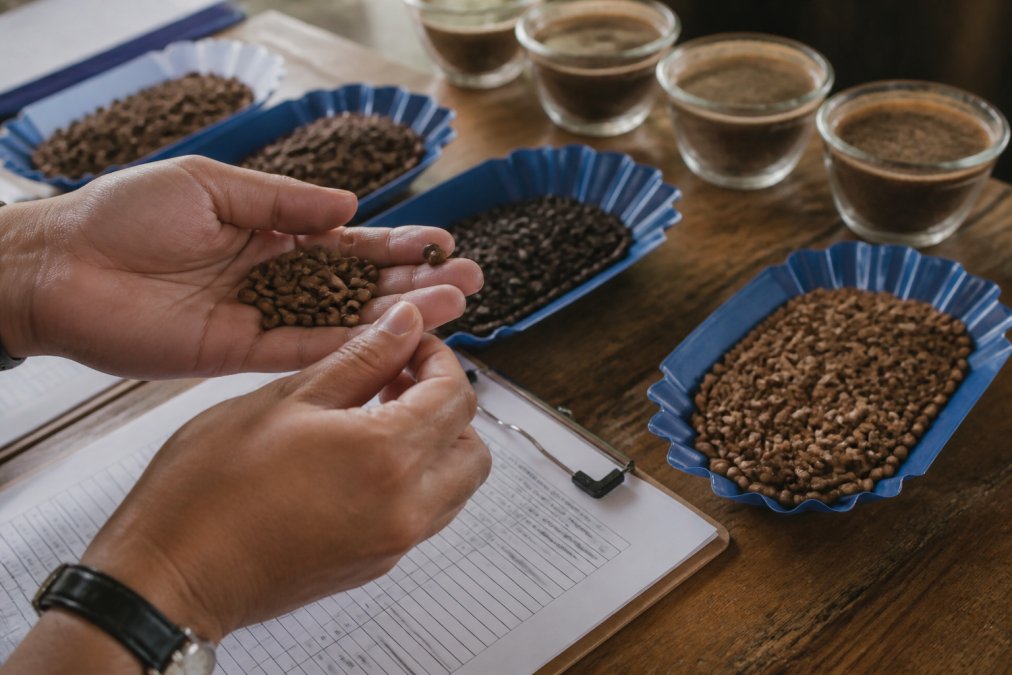
Cupping Scores and Tasting Notes
Cupping is the standardized method coffee professionals use to evaluate beans. Trained cuppers score coffee on a 100-point scale across multiple categories: aroma, flavor, aftertaste, acidity, body, balance, and overall impression. A score of 80-85 is very good; 85+ is exceptional (sca.coffee).
Reputable roasters publish cupping scores and detailed tasting notes for their coffees. If a roaster doesn't share this information, it's a red flag. Tasting notes like "bright citrus acidity," "dark chocolate body," or "floral undertones" aren't marketing fluff, they describe actual flavor compounds present in the beans. These notes help you understand what you're paying for and whether a particular coffee matches your preferences.
Single-origin coffees should always come with origin transparency: the specific farm or cooperative, altitude, and harvest date. This information proves the roaster knows their source and can stand behind quality claims.
Roast Date and Freshness
Roast date is critical and often overlooked. Coffee reaches peak flavor 5-14 days after roasting, when the beans have degassed but remain fresh (peer-reviewed research). After 30 days, flavor begins to decline noticeably. After 60 days, most specialty coffee tastes noticeably stale.
Premium roasters print roast dates on every bag. If a roaster doesn't, they're either hiding old stock or don't prioritize freshness. The freshness factor alone justifies paying more for coffee from a roaster who takes this seriously. You're not just paying for the beans, you're paying for coffee that was roasted recently and shipped quickly to you.
Gilded Grind emphasizes freshness by shipping promptly. The Light Roast Coffee Bundle includes four single-origins roasted at light intensity, each with a clear roast date. You're getting beans at their peak flavor window, not inventory that's been sitting for months.

The Diminishing Returns Curve
Here's where the math gets interesting: expensive coffee doesn't deliver proportionally better flavor. The relationship between price and quality follows a curve, not a straight line.
A $5 grocery store coffee and a $12 specialty coffee show a dramatic difference in flavor, body, and complexity. The jump in quality is substantial. But the difference between a $12 coffee and a $25 premium single-origin is much smaller, even though the price doubled. And the gap between $25 and $40 is smaller still.
This is the diminishing returns curve. Early price increases buy you major quality improvements. Later price increases buy you marginal improvements, rarity, exclusivity, or very specific flavor notes that only appeal to experienced palates.
For most people, the sweet spot is $15-20 per bag. You're getting specialty-grade beans with cupping scores above 80, clear origin transparency, and a roast date within the last two weeks. You'll taste a significant difference from commodity coffee. Beyond that price point, you're often paying for diminishing returns: smaller microlots, experimental processing, or flavor nuances that require a trained palate to appreciate.
This doesn't mean expensive coffee is never worth it. If you're a serious enthusiast who can taste the difference between a 82-point and an 87-point coffee, the premium is justified for you. But if you're looking for the best value, understanding where the curve flattens helps you make a smarter choice.
Best Coffee Beans for Automatic Machines
Automatic machines, drip brewers, pod machines, and automatic espresso makers, have specific requirements. They work best with medium to dark roasts that have body and clarity, because the brewing process extracts flavor differently than manual methods.
Medium roasts offer a balance: they have enough body to shine through automatic brewing without the flatness that sometimes comes with lighter roasts in these machines. Dark roasts, with their deeper chocolate and caramel notes, perform exceptionally well because their bold flavors cut through any over-extraction that can happen with automatic brewing.
Grind consistency matters more in automatic machines than in manual brewing. Look for roasters who offer pre-ground options specifically calibrated for automatic drip machines. If you're grinding yourself, a burr grinder set to medium-coarse works best.
The Huila Colombia Ground Dark is ideal for automatic machines. It's pre-ground for drip brewing, with dark chocolate and juicy blackcurrant notes that shine through automatic extraction. For whole beans, the Dark Roast Coffee Bundle includes four origins roasted at dark intensity, Sumatra, El Salvador, Colombia, and Ethiopian Harrar, each performing reliably in automatic machines.


Avoid very light roasts in automatic machines. They tend to taste sour or thin because the brewing method doesn't extract their delicate flavor compounds effectively. Save light roasts for pour-over or French press, where you control water temperature and contact time more precisely.
Storage, Shelf Life, and Real Value
Coffee is perishable. Once roasted, it begins losing flavor immediately through oxidation and degassing. Proper storage extends the window where coffee tastes its best, but it doesn't reverse the clock.
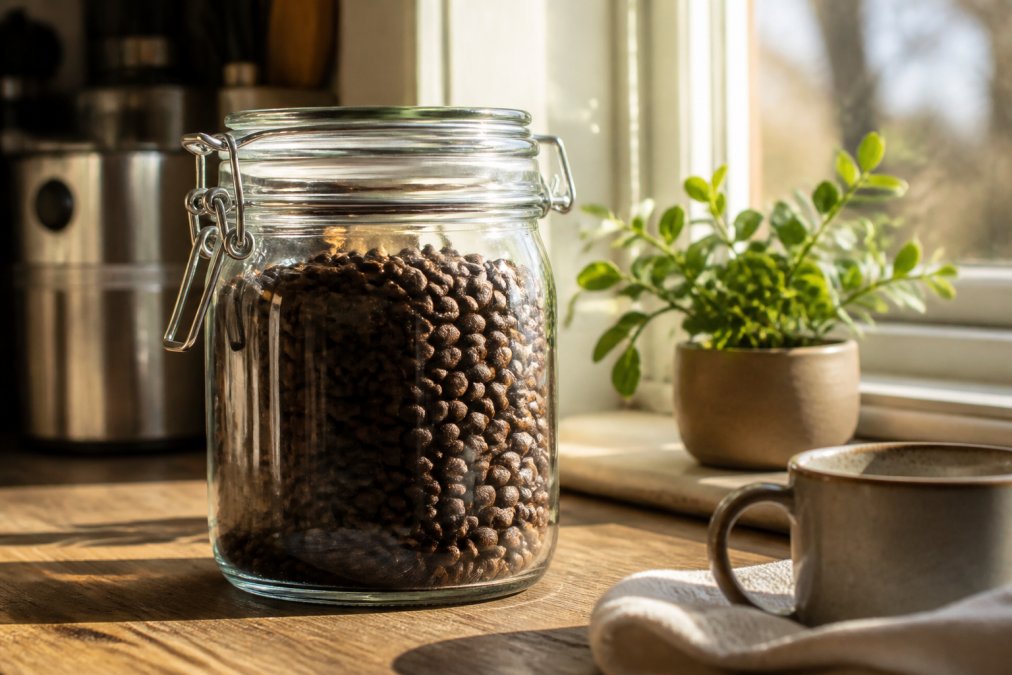
The ideal storage container is airtight and opaque. Exposure to light, heat, and air accelerates flavor degradation. A sealed bag with a one-way valve works well for the first few weeks after roasting. For longer storage, transfer beans to an airtight glass or ceramic container kept in a cool, dark place. Avoid the freezer unless you're storing beans for months, the moisture from repeated thawing damages flavor.
Whole beans stay fresher longer than ground coffee. Ground coffee exposes more surface area to oxygen, so it stales faster. If you grind ahead, use the coffee within a week. If you grind daily, you'll notice a significant difference in flavor compared to grinding a week's worth at once.
The real value question is this: paying more for fresh, specialty-grade coffee that you consume within two weeks is better than paying less for commodity coffee that sits in your cabinet for two months. The stale $5 coffee tastes worse than the premium $16 coffee consumed fresh. Freshness is part of what you're paying for when you buy from a roaster who prioritizes roast dates and quick shipping.
When Premium Coffee Pays Off
Premium coffee is worth the price in specific situations. If you brew manually, pour-over, French press, or espresso, you have control over variables like water temperature, contact time, and extraction. That control lets you extract the full complexity of high-quality beans. A $20 single-origin shines in a pour-over because you can dial in the variables to highlight its unique tasting notes.
If you're a regular drinker who goes through 2-3 bags per month, the cost difference between commodity and specialty coffee is manageable. You're spreading the premium across many cups, and the daily ritual becomes a moment worth savoring rather than just caffeine consumption.
Premium coffee also pays off if you're sensitive to flavor. Some people taste the difference immediately; others need more experience developing their palate. If you're someone who notices and appreciates the difference between bright citrus acidity and heavy chocolate body, the premium is justified.
Specialty coffee also tends to be more ethically sourced. Direct trade and fair trade certifications mean farmers are paid better and have more sustainable livelihoods. If ethical sourcing matters to you, paying the premium supports better practices across the supply chain.
The situation where premium coffee doesn't pay off is if you're adding significant milk, cream, or sweetener. Those additions mask the subtle flavor notes that justify the premium. A $5 dark roast tastes nearly identical to a $25 dark roast once you've added a splash of milk. If that's your brewing style, buy a good mid-range coffee and invest in freshness instead of rarity.
Is expensive coffee worth the price? The answer depends on how you brew, how you drink, and what you value. The diminishing returns curve means the biggest quality jump happens in the $5-15 range. Beyond that, you're often paying for exclusivity, rarity, or flavor nuances that only appeal to experienced palates. But if you brew manually, drink your coffee black or with minimal additions, and appreciate complexity, premium coffee delivers measurable value. The key is understanding what you're actually paying for, origin transparency, cupping scores, freshness, and ethical sourcing, rather than assuming price alone indicates quality. At Gilded Grind, we focus on those measurable factors: single-origins with published cupping scores, roast dates you can verify, and beans shipped fresh. Whether you choose a mid-range specialty coffee or a premium microlot, the choice should be informed by your brewing method and what flavor complexity you can actually taste. That's how you find real value.
=== FAQ ANSWERS (audit these too, same rules) ===
[1] Q: What is the difference between commodity and specialty coffee beans? A: Commodity-grade coffee is mass-produced, often blended from multiple origins, and typically scores below 70 on the cupping scale. Specialty-grade coffee is single-origin or carefully blended, scores 80+ on the cupping scale, and has documented origin transparency. Specialty beans command higher prices because they're sourced from specific regions, processed with precision, and offer distinct flavor profiles rather than generic taste. The difference becomes obvious when you taste them side by side.
[2] Q: How does the roasting date affect the value of premium coffee? A: Coffee begins losing flavor within days of roasting. Beans roasted within the past 2 weeks deliver peak flavor, aroma, and complexity. After 4 weeks, the sensory experience noticeably declines. Premium coffee loses its value if it sits on shelves for months before reaching you. Check the roast date on packaging, it's a direct indicator of whether you're getting the quality you're paying for. Freshly roasted beans justify premium pricing; stale beans do not, regardless of origin.
[3] Q: Is expensive coffee worth it if I use an automatic drip machine? A: Expensive coffee can be worth it with automatic machines, but not all premium beans perform equally in them. Coarser grinds work better in automatic brewers, and single-origin beans with balanced acidity and body (like Colombian or Ethiopian origins) extract well. However, highly acidic or delicate light roasts may taste muted in automatic machines. Grinding whole beans fresh before brewing makes the biggest difference. If you're using pre-ground commodity coffee, upgrading to fresh premium beans will be noticeable; if you're already grinding fresh, the improvement depends on your machine's water temperature and brew time.
[4] Q: Why do single-origin beans cost more than blends? A: Single-origin beans come from one specific region or farm, requiring careful sourcing, traceability, and often direct relationships with producers. This transparency and specificity costs more than sourcing from multiple commodity suppliers. Single-origin beans also showcase unique flavor profiles tied to terroir, altitude, and processing method, qualities that command premium pricing. Blends mix beans to achieve consistency and balance, which is efficient but doesn't highlight the distinctive characteristics that justify premium prices. You're paying for origin transparency, rarity, and the specific sensory experience.
Frequently Asked Questions
What is the difference between commodity and specialty coffee beans?
Commodity-grade coffee is mass-produced, often blended from multiple origins, and typically scores below 70 on the cupping scale. Specialty-grade coffee is single-origin or carefully blended, scores 80+ on the cupping scale, and has documented origin transparency. Specialty beans command higher prices because they're sourced from specific regions, processed with precision, and offer distinct flavor profiles rather than generic taste. The difference becomes obvious when you taste them side by side.
How does the roasting date affect the value of premium coffee?
Coffee begins losing flavor within days of roasting. Beans roasted within the past 2 weeks deliver peak flavor, aroma, and complexity. After 4 weeks, the sensory experience noticeably declines. Premium coffee loses its value if it sits on shelves for months before reaching you. Check the roast date on packaging, it's a direct indicator of whether you're getting the quality you're paying for. Freshly roasted beans justify premium pricing; stale beans do not, regardless of origin.
Is expensive coffee worth it if I use an automatic drip machine?
Expensive coffee can be worth it with automatic machines, but not all premium beans perform equally in them. Coarser grinds work better in automatic brewers, and single-origin beans with balanced acidity and body (like Colombian or Ethiopian origins) extract well. However, highly acidic or delicate light roasts may taste muted in automatic machines. Grinding whole beans fresh before brewing makes the biggest difference. If you're using pre-ground commodity coffee, upgrading to fresh premium beans will be noticeable; if you're already grinding fresh, the improvement depends on your machine's water temperature and brew time.
Why do single-origin beans cost more than blends?
Single-origin beans come from one specific region or farm, requiring careful sourcing, traceability, and often direct relationships with producers. This transparency and specificity costs more than sourcing from multiple commodity suppliers. Single-origin beans also showcase unique flavor profiles tied to terroir, altitude, and processing method, qualities that command premium pricing. Blends mix beans to achieve consistency and balance, which is efficient but doesn't highlight the distinctive characteristics that justify premium prices. You're paying for origin transparency, rarity, and the specific sensory experience.
This article was written using GrandRanker


